Setting the Stage: The Competitive Landscape
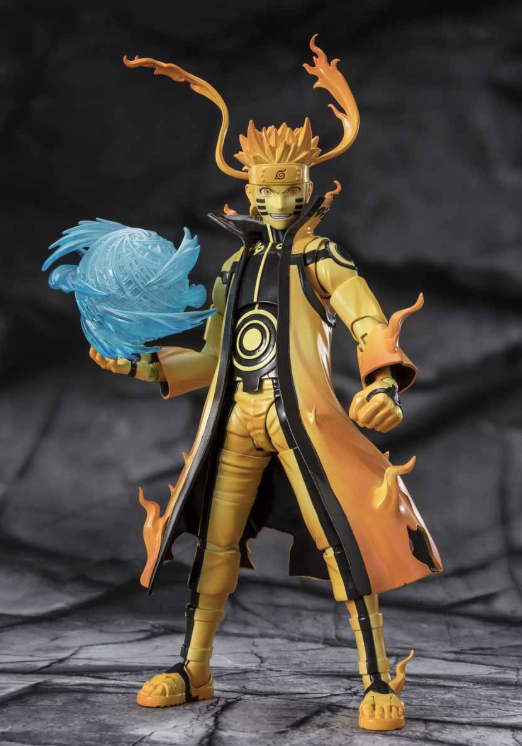
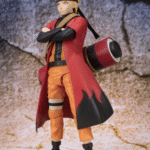
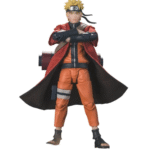
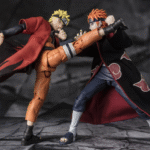
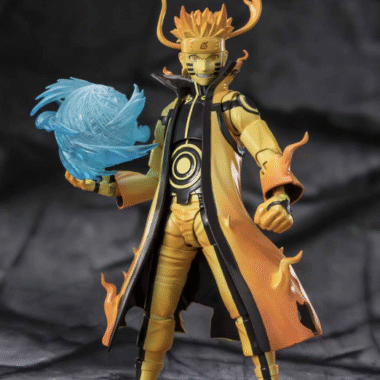
naruto figures Custom Figure Naruto Sage Mode
Naruto is standing in a powerful stance with one arm extended, holding a glowing blue Rasengan. He wears a bright yellow-orange coat with black trim…
View Product →The market for anime figures, particularly those depicting iconic characters like Naruto Uzumaki, is a vibrant and highly competitive segment within the broader collectibles industry. Enthusiasts navigate a diverse landscape ranging from mass-produced PVC figures to highly exclusive, limited-edition resin statues and bespoke custom creations. Our subject, the “Custom Figure Naruto Sage Mode,” featuring a dynamic pose with a glowing Rasengan, occupies an intriguing niche. It promises unique artistry and potential exclusivity, setting it apart from the standardized offerings of major manufacturers. However, objectively comparing such a custom piece against its main market alternatives – namely, licensed mass-produced PVC/ABS figures and high-end licensed resin statues – is non-trivial. The inherent variability of custom work, the differing production scales, and the subjective nature of aesthetic appeal complicate a direct, apples-to-apples evaluation. This analysis aims to dissect these complexities by establishing clear, performance-based criteria to provide a rational, evidence-based comparison.
Defining the Evaluation Criteria
To facilitate a robust and objective comparison between the custom Sage Mode Naruto figure and its market alternatives, a structured set of evaluation criteria is essential. These benchmarks transcend mere subjective preference, focusing instead on tangible attributes and measurable outcomes relevant to collectible figures.
Performance Benchmarks and Methodology
For collectible figures, “performance” translates primarily into aesthetic impact, fidelity to the source material, and the effectiveness of its artistic execution. Our methodology involves a multi-faceted assessment:
1. Likeness and Authenticity: How accurately does the figure capture Naruto’s facial expression, body proportions, and Sage Mode characteristics (e.g., eye pigmentation, cloak details) as depicted in the Naruto manga and anime? This requires direct comparison with official character designs.
2. Pose Dynamism and Storytelling: The custom figure’s dynamic stance, with one leg forward and the other grounded, and the extended arm holding a glowing Rasengan, inherently tells a story of action and power. We will evaluate how effectively this dynamism is conveyed, comparing it against the static or less energetic poses often found in more affordable alternatives, and the equally complex poses of premium resin statues. The translucent Rasengan’s energy representation is a critical component here.
3. Paint Application and Detail: This includes the precision of paint lines, the subtlety of shading, the vibrancy of colors, and the consistency of the finish across the entire figure. Special attention will be paid to gradients (e.g., on the Rasengan), skin tones, and the intricate details of Naruto’s attire.
4. Overall Visual Impact: Beyond individual elements, how does the figure command attention and integrate into a collection? This holistic assessment considers the harmony of its components and its ability to evoke the character’s essence.
Our methodology for these benchmarks will involve detailed visual inspection, comparative analysis against a range of known figures from reputable brands, and a critical appraisal of artistic choices against industry best practices.
Build Quality and Material Comparisons
The physical construction and materials used are foundational to a figure’s long-term appeal and durability. This category will examine:
1. Material Composition: The custom figure is likely made from high-grade resin or possibly advanced PVC/ABS, potentially offering different tactile experiences and levels of detail capture than standard mass-produced PVC/ABS figures or larger, high-end resin statues. We will consider the properties of each material, such as weight, rigidity, and resistance to warping or breakage.
2. Sculpting Precision and Detail Resolution: This involves scrutinizing the sharpness of edges, the clarity of textures (e.g., fabric folds, hair strands), and the absence of mold lines or imperfections. Custom figures, especially resin ones, can often achieve finer detail than injection-molded PVC due to different production processes.
3. Paint Durability and Application Consistency: Beyond initial aesthetic appeal, the longevity of the paint finish is crucial. We will evaluate the likelihood of chipping, fading, or yellowing over time, and compare the consistency of hand-painted custom work against factory-applied finishes.
4. Base and Support Structure: The stability and aesthetic integration of the figure’s base are vital. The custom figure’s dynamic pose necessitates a robust and well-engineered base for balance and long-term structural integrity. We will assess the quality of the base materials, its design, and its ability to securely support the figure without leaning or stress points.
Price-to-Value Ratio Framework
Evaluating “value” extends beyond the initial purchase price to encompass a figure’s perceived worth, exclusivity, and potential for long-term appreciation or depreciation.
1. Initial Acquisition Cost: The custom figure will likely fall into a higher price bracket than most mass-produced PVC figures, potentially rivalling or exceeding some entry-level licensed resin statues. This will be the baseline for comparison.
2. Material and Labor Value: Custom figures often command higher prices due to the artisanal labor involved in sculpting, casting, and hand-painting, as well as the use of premium materials like resin. This contrasts with the economies of scale in mass production.
3. Exclusivity and Rarity: A custom figure is inherently unique or produced in extremely limited quantities, contributing to its perceived value and potential for rarity premium. Licensed figures, especially resin statues, also leverage exclusivity through limited edition runs.
4. Long-Term Durability and Maintenance: The cost of ownership includes not just the purchase price but also considerations for durability (e.g., resin fragility vs. PVC flexibility) and potential maintenance (cleaning, repair). Figures that require delicate handling or are prone to damage may incur hidden “costs.”
5. Resale and Collectibility: While speculative, the potential for a figure to retain or increase its value on the secondary market is a factor for some collectors. Licensed products, particularly limited-edition resin statues, often have a more predictable resale market than custom works, which can vary widely based on the artist’s reputation.
By systematically applying these criteria, we can move beyond anecdotal observations to provide a structured, analytical comparison of the custom Sage Mode Naruto figure against its established market alternatives.
Head-to-Head Analysis
Category: Performance — Who Wins and Why
In the realm of aesthetic performance, the “Custom Figure Naruto Sage Mode” distinguishes itself through its inherent dynamism and detailed narrative portrayal. The description of Naruto in a dynamic stance, one leg forward, holding a translucent, glowing Rasengan, immediately conveys a sense of kinetic energy and focused power. This specific pose is a critical differentiator, capturing a peak moment of action and character resolve. The translucent Rasengan, in particular, is a highlight, offering a visual representation of energy that often requires sophisticated material engineering and painting techniques to achieve convincingly. If executed with precision, this element can surpass the more opaque or less vibrant energy effects sometimes seen in mass-produced PVC figures, which may sacrifice intricate material properties for production efficiency. The custom nature also allows for a highly specific facial expression – determined focus, consistent with a Sage Mode Naruto unleashing an attack – which can be more nuanced and less generic than expressions on mass-produced counterparts.
Comparing this against its main market alternatives, high-end licensed PVC/ABS figures (e.g., from Banpresto, Megahouse) often offer excellent likeness and good paint application at a more accessible price point. However, their poses, while varied, frequently lean towards more static or iconic stances to ensure stability and ease of mass production. The dynamic action described for the custom figure might be replicated in PVC, but the translucency and “glow” of the Rasengan might be simplified, relying more on paint gradients than actual material properties. Where PVC figures excel is in their consistent quality control across thousands of units, ensuring that what you see in promotional images is largely what you get.
Licensed resin statues (e.g., from Tsume Art, Prime 1 Studio) represent the pinnacle of performance in many respects. These typically feature incredibly intricate sculpting, highly dynamic and complex multi-character dioramas, and exceptional paint detail, often hand-applied. They frequently incorporate translucent effects, LED lighting, and elaborate bases to enhance the narrative. In terms of sheer scale and complexity, a top-tier resin statue can potentially surpass the custom figure’s performance, offering a grander, more immersive scene. However, these often come with a significantly higher price tag and larger footprint. The custom figure’s strength lies in its focused dynamism on a single character and moment, potentially delivering a punchy, impactful display without the overwhelming scale or cost of a full resin diorama. If the custom artist’s skill matches or exceeds that of a top-tier studio, the custom figure can compete on detail and artistic interpretation, but without the brand assurance of a major license.
Category: Build Quality — Engineering Differences Examined
The build quality of the Custom Figure Naruto Sage Mode is highly dependent on the artisan’s skill and chosen materials, presenting both potential advantages and inherent risks compared to factory-produced alternatives. If crafted from high-grade resin, the custom figure benefits from the material’s ability to capture extremely fine details and sharp edges, often surpassing the resolution achievable with injection-molded PVC/ABS. Resin also offers a substantial, weighty feel, contributing to a premium perception. However, resin is inherently brittle; complex, thin elements like flowing clothing or a dynamic pose involving outstretched limbs are susceptible to breakage if mishandled, a significant engineering consideration for long-term durability. The precision of seams and the overall finish will directly reflect the individual sculptor and painter’s meticulousness, meaning quality can vary widely from one custom piece to another. A master craftsman can produce a flawless finish, while a less experienced one might leave visible mold lines or inconsistent paint application. The critical translucent Rasengan element requires precise casting or material layering to achieve its effect without internal flaws or discoloration over time. The base, given the dynamic one-leg-forward pose, must be exceptionally well-engineered and weighted to prevent leaning or instability, a common issue with highly dynamic figures.
High-end licensed PVC/ABS figures, while sometimes perceived as “cheaper” due to their material, benefit from sophisticated engineering designed for mass production. Modern PVC figures from brands like Megahouse or Banpresto utilize advanced molding techniques to minimize seam lines and achieve impressive detail. The material’s inherent flexibility makes these figures more resilient to minor impacts or accidental falls compared to resin. However, PVC can be prone to “leaning” over time, especially for dynamic poses with significant cantilevered weight, and details may be slightly softer than those on resin. Paint application on mass-produced figures is typically factory-applied, often with advanced masking and automated processes, leading to highly consistent, albeit sometimes less nuanced, finishes across batches. Their bases are generally functional and designed for stability, but rarely as elaborate as those on premium resin statues.
Licensed resin statues represent the peak of material and construction quality, leveraging high-density resin or polystone. These figures often feature complex multi-part assemblies, intricate textures, and hand-applied paint jobs by skilled artists. The engineering for these pieces focuses on structural integrity for large, heavy, and often fragile components, frequently incorporating internal metal armatures or sophisticated pegging systems. Their bases are typically integrated into the overall narrative, providing both stability and thematic enhancement. While still susceptible to breakage if dropped, the overall construction is designed for longevity and display impact. The primary difference is the consistent, studio-level quality control applied to every unit, something a custom figure, by its very nature, cannot guarantee. The custom figure’s build quality, therefore, is a gamble on individual talent, potentially reaching unparalleled heights or falling short depending on the creator.
Category: Price and Long-Term Cost of Ownership
The pricing model and long-term cost of ownership for the Custom Figure Naruto Sage Mode diverge significantly from its market alternatives, primarily due to its bespoke nature. The initial acquisition cost for a high-quality custom figure is typically substantial, often ranging from several hundred to well over a thousand dollars, placing it firmly in the premium segment. This price reflects the individual artist’s time, skill, the cost of premium materials (e.g., high-grade resin, specialized paints), and the inherent exclusivity of a one-off or very limited production run. The “value” here is intrinsically tied to the artisanal craftsmanship and the unique vision it embodies, rather than economies of scale. The long-term cost of ownership primarily involves careful handling and display, as custom resin figures are prone to breakage and may require specialized repair if damaged. Their potential for appreciation on the secondary market is highly speculative, depending entirely on the artist’s reputation and the demand for that specific piece, making it a higher-risk investment for collectors focused on future value.
In contrast, high-end licensed PVC/ABS figures offer a more accessible entry point, typically ranging from $50 to $300. This price reflects mass production efficiencies, standardized materials, and established distribution channels. While they don’t offer the same level of exclusivity, their brand recognition and widespread availability contribute to a stable, predictable market. The long-term cost of ownership is generally low; PVC figures are relatively durable and require minimal maintenance beyond dusting. While they rarely appreciate significantly in value, they usually retain a decent portion of their initial cost on the secondary market, offering a more stable “investment” in terms of cost recovery. Their durability and ease of care make them a low-stress addition to a collection.
Licensed resin statues represent the apex of pricing, often starting from $500 and easily exceeding several thousand dollars. This high cost is justified by their limited edition status, massive scale, intricate detail, premium materials (polystone, high-grade resin), and the associated licensing fees. The value proposition here is one of ultimate collectibility, grand display presence, and often, significant appreciation on the secondary market due to rarity and demand. However, the long-term cost of ownership is also higher. Resin statues are fragile and heavy, necessitating careful handling, specialized display cases, and potentially professional repair if damaged. Shipping costs are substantial, and insurance is often recommended. While their potential for value growth is higher, the initial capital outlay and ongoing care requirements are also considerably greater, making them a commitment for serious, well-resourced collectors. The custom figure occupies a middle ground, offering a unique artistic vision at a premium price, but without the brand-backed market stability or the consistent secondary market appreciation of licensed resin statues.
Scenario-Based Winner Selection
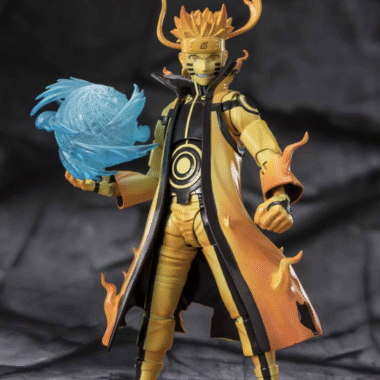
naruto figures Custom Figure Naruto Sage Mode
Naruto is standing in a powerful stance with one arm extended, holding a glowing blue Rasengan. He wears a bright yellow-orange coat with black trim…
View Product →For the Budget-Conscious, Rational Buyer
For the buyer whose primary concern is maximizing aesthetic appeal and character representation within a strict budget, the high-end licensed PVC/ABS figures unequivocally represent the optimal choice. Brands like Banpresto, Megahouse, and Bandai Spirits Ichibansho consistently deliver figures with excellent sculpts, accurate likenesses, and commendable paint applications, often for under $150. While they may not feature the hyper-detailed intricacies or the sheer dynamism of a custom resin piece or a premium resin statue, they offer robust quality control, durable materials, and a vast selection of poses and characters. The rational buyer prioritizes reliable quality, a reasonable cost of acquisition, and minimal long-term maintenance. PVC figures are less prone to breakage than resin, require simple dusting, and their value depreciation is generally predictable and manageable. They provide a high degree of satisfaction for their price point, making them an economically sound and visually rewarding addition to a collection without significant financial strain or anxiety over fragility.
For the Performance-First Enthusiast
The performance-first enthusiast, who prioritizes unparalleled detail, dynamic execution, and a truly unique artistic interpretation, would find the Custom Figure Naruto Sage Mode to be a compelling, if potentially risky, frontrunner. If the custom artist’s skill and material execution are exceptional, this figure could offer a level of bespoke artistry that mass-produced items simply cannot replicate. The described dynamic pose, the translucent Rasengan with its implied energy, and the highly specific facial expression speak directly to a collector who values the “wow” factor and the faithful capture of an iconic moment with artistic flair. This buyer is willing to invest a premium for a piece that stands out, tells a story, and evokes a strong emotional response, pushing the boundaries of what a collectible figure can achieve. The uniqueness of a custom piece means owning something that few others possess, which holds significant value for this demographic.
However, the caveat for this enthusiast is the variability inherent in custom work. The potential for superior performance is high, but it hinges entirely on the individual artist’s proven track record. If absolute, consistent, and grand-scale performance is the ultimate goal, and budget is less of a constraint, then a high-end licensed resin statue from a reputable studio (e.g., Tsume Art, Prime 1 Studio) might slightly edge out the custom figure. These studios offer guaranteed, consistent, and often breathtaking levels of detail, scale, and dynamic composition, backed by professional quality control and established brand trust. The custom figure wins for potential unique artistic performance on a single character, while licensed resin statues win for guaranteed, often larger-scale, cinematic performance.
For the User Prioritising Longevity and Reliability
For the collector whose primary concern is the longevity, structural reliability, and consistent quality of their investment, the high-end licensed resin statue emerges as the strongest contender, with high-end licensed PVC figures as a very close second for different reasons. Licensed resin statues, despite their fragility compared to PVC, are engineered for long-term display. They utilize premium, stable materials like polystone, are often internally reinforced with metal armatures, and undergo rigorous quality control processes by established studios. This ensures that the intricate details and complex poses are structurally sound and designed to withstand the test of time, assuming proper care and display conditions. While susceptible to breakage if mishandled, their overall construction is robust, and the paint finishes are typically high-grade and durable, less prone to fading or yellowing than some cheaper plastics. The brand reputation also offers a degree of consumer protection and consistency that a custom piece cannot.
High-end licensed PVC figures also offer excellent reliability, particularly in terms of durability against accidental knocks or falls due to the material’s inherent flexibility. They are less prone to breakage than resin and resist leaning better than cheaper PVC counterparts. Their factory paint applications are generally consistent and durable. However, some long-term issues like slight material degradation or “stickiness” can occur with certain PVC formulations over many years, though this is less common with modern high-quality figures.
The Custom Figure Naruto Sage Mode, while potentially exquisite, carries inherent risks regarding longevity and reliability. The quality of the materials (resin type, internal supports) and the durability of the hand-painted finish are entirely dependent on the individual artist’s choices and expertise, which can be inconsistent. Resin, as noted, is brittle, and a dynamic pose with extended elements will be structurally vulnerable. Without the backing of a major studio’s R&D and QC, the long-term stability of custom figures can be less certain, making them a higher-risk proposition for the reliability-focused collector.
The Verdict: Data-Driven Recommendation
Overall Winner with Clear Analytical Justification
Based on a balanced assessment across performance, build quality, and price-to-value, considering the broad market, the high-end licensed PVC/ABS figures (e.g., from brands like Banpresto, Megahouse, Good Smile Company) emerge as the overall winner for the average collector. Their victory is rooted in their superior price-to-value ratio, offering consistently high quality, accurate likenesses, and robust construction at an accessible price point. While they might not always reach the artistic peaks of the custom figure or the grand scale of a premium resin statue, they deliver reliable performance, excellent durability, and consistent quality control across their production runs. This ensures that the buyer receives a product that meets expectations without significant financial strain or concerns over fragility and long-term maintenance. Their mass-produced nature translates into lower initial cost, predictable market value, and widespread availability, making them the most rational and broadly appealing choice for building a satisfying collection.
When the Runner-Up Makes More Sense
The Custom Figure Naruto Sage Mode stands as a compelling runner-up, making eminent sense for a specific niche: the collector who prioritizes uniqueness, bespoke artistry, and a highly specific aesthetic vision above all else. For this individual, the custom figure’s potential for unparalleled detail, dynamic storytelling, and a truly one-of-a-kind representation of Naruto in Sage Mode with a glowing Rasengan outweighs the higher cost and potential variability in build quality. When the custom artist’s skill is proven and aligns perfectly with the collector’s ideal, this figure offers an unmatched level of personal connection and display impact that licensed mass-produced figures, by their very nature, cannot provide. It is the choice for those who seek to own a singular piece of art rather than a mass-produced collectible, effectively trading consistency and widespread availability for exclusivity and artistic interpretation.
Situations Where Neither Is Optimal
There are specific scenarios where neither the custom figure nor the standard high-end PVC/ABS figures are optimal choices.
1. For the Extreme Budget Collector: If the budget is extremely constrained (e.g., under $30-50), even high-end PVC figures might be out of reach. In this case, simpler, smaller scale, or less detailed figures (e.g., prize figures from arcade games, unlicensed bootlegs, or older, lower-quality PVC figures) might be the only options. These typically compromise significantly on detail, paint quality, and durability, making them a separate market segment altogether.
2. For the Grand-Scale, Ultimate Display Collector: For those who desire the absolute pinnacle of collectible art, featuring massive scale, intricate multi-character dioramas, breathtakingly complex environments, and no budget limitations, the licensed high-end resin statue (e.g., Tsume Art, Prime 1 Studio) is the only optimal choice. These are not merely figures but substantial art pieces, commanding prices in the thousands. While the custom figure might offer unique artistry, it typically cannot match the sheer scale, material complexity, and consistent studio-level production quality of a top-tier licensed resin diorama. In this extreme high-end segment, the custom figure and PVC figures are simply not playing in the same league.
3. For the Purely Investment-Driven Collector: While some figures appreciate, those primarily looking for guaranteed financial return might find the figure market too speculative. While limited-edition licensed resin statues can appreciate, the custom figure’s value is highly artist-dependent and less predictable. A purely investment-driven approach might lead to alternative asset classes rather than collectible figures.