Naruto Figures Market Trends: Demand, Scarcity, and Collector Archetypes
Evolving Collector Demographics
The market for Naruto figures has matured significantly, moving beyond casual fans to encompass dedicated collectors and investors. This evolution is reflected in shifting demand patterns, with a growing emphasis on high-fidelity, detailed, and officially licensed merchandise. Younger demographics, introduced to the series through streaming services and remasters, are now contributing to sustained interest, while older fans, who grew up with the original manga and anime, often seek out nostalgic pieces or rare, out-of-production items. This dual demographic fuels a diverse collector base, each with distinct purchasing motivations. For instance, while some seek figures that accurately represent iconic character moments for display, others prioritize figures that represent a sound investment due to their limited production runs or association with specific anniversaries or events. Analyzing sales data from major retailers and auction sites reveals a consistent upward trend in the resale value of sought-after Naruto figures, underscoring their status as tangible assets. Understanding these demographic nuances is crucial for manufacturers and retailers aiming to cater to specific segments of the market.
The Impact of Scarcity and Limited Editions
Scarcity plays a pivotal role in the perceived value and desirability of Naruto figures. Limited edition releases, exclusive event merchandise, and figures with intentionally low production numbers often command premium prices and generate intense collector interest. For example, figures tied to major anime conventions or specific cultural anniversaries, such as the 20th anniversary of Naruto, often have limited runs that quickly sell out. This scarcity artificially inflates demand, creating a secondary market where prices can far exceed the original retail cost. Manufacturers strategically employ this tactic to generate buzz and ensure rapid sell-through of products. Collectors often engage in a competitive pursuit to acquire these rare items, viewing them not just as collectibles but as investments with the potential for appreciation. The authenticity and condition of these limited editions become paramount, with pristine packaging and verified provenance significantly impacting their market value. This phenomenon is not unique to Naruto figures, but it is a particularly pronounced aspect of its collectible ecosystem, mirroring trends seen in other high-demand collectibles like those found in Ultimate Showdown: Comparing Godzilla Action Figures – And Which One Wins?.
The Art and Science of Naruto Figure Production: Craftsmanship and Technology
Material Innovation and Durability
Modern Naruto figures benefit from advancements in material science, leading to increased durability and aesthetic appeal. Traditionally, figures were often made from PVC or ABS plastic, which, while versatile, could be prone to yellowing or becoming brittle over time. Contemporary manufacturing processes now incorporate higher-grade plastics, resins, and even composite materials that offer greater resilience against environmental factors like UV light and temperature fluctuations. These materials allow for finer details and more dynamic poses without compromising structural integrity. For example, advancements in articulation points allow for a wider range of movement and display options, enhancing the playability and displayability of action figures. The quality of paint application has also seen significant improvement, with multi-layered techniques creating realistic textures and shading, bringing characters like Naruto Uzumaki and Sasuke Uchiha to life with unprecedented fidelity. This focus on material quality not only extends the lifespan of the collectible but also contributes to its overall perceived value and authenticity, ensuring that even figures from older series, when well-preserved, can maintain their appeal.
Detailing and Sculpting Techniques
The evolution of 3D modeling and digital sculpting has revolutionized the detailing achievable in Naruto figures. Gone are the days of simplified sculpts; today’s figures boast intricate facial expressions, meticulously rendered costume textures, and lifelike hair sculpts that capture the essence of each character. Techniques such as photogrammetry and advanced CAD software allow sculptors to translate anime and manga designs into three-dimensional forms with remarkable accuracy. This precision extends to even the smallest accessories, like kunai, shuriken, and signature headbands, which are rendered with sharp edges and fine details. The development of specialized paintbrushes and airbrushing techniques further enhances these details, allowing for subtle shading, weathering effects, and precise application of character-specific color palettes. This meticulous attention to detail is what differentiates a high-quality collectible from a mass-produced toy, transforming static figures into dynamic representations that resonate deeply with fans. The level of detail seen in some premium Naruto figures can rival that of high-end statues, offering collectors a tangible piece of the Naruto universe rendered with artistic mastery.
Navigating the Tiers: From Entry-Level Collectibles to Premium Statues
Understanding Scale and Articulation
The world of Naruto figures can be broadly categorized by scale and articulation, offering distinct experiences for collectors. Entry-level figures, often found in smaller scales like 1:18 or 1:12, typically feature basic articulation, allowing for a few poseable points for dynamic display. These are generally more affordable and accessible, making them ideal for newer collectors or those with limited display space. Examples include figures designed for playability as well as display, often found in multi-packs or as part of larger action figure lines. In contrast, mid-tier figures, frequently in the 1:10 or 1:8 scale, offer a greater degree of articulation and more nuanced sculpting. These figures strike a balance between detail and price, providing a significant upgrade in visual appeal and poseability. The quality of the plastic and paintwork is usually higher, and they often come with interchangeable parts or accessories that enhance their display value. This tier represents a sweet spot for many collectors seeking quality without the investment of premium pieces, akin to the thoughtful selection process for figures like those detailed in Ultimate Shopping Guide: How to Pick the Perfect Spider-Man Action Figure in 2026.
The Appeal of High-End Collectibles
At the apex of the Naruto figure market are the high-end collectibles, typically large-scale statues and premium action figures often in the 1:4 or 1:3 scale, or even larger. These pieces are characterized by their exceptional detail, often hand-painted finishes, and the use of premium materials like polystone and resin. The sculpting on these figures is usually unparalleled, capturing the most subtle nuances of character design and dynamic action poses. For example, a statue depicting Naruto in Sage Mode or Sasuke wielding Amaterasu would feature intricate texturing on clothing, realistic hair flow, and intense facial expressions that convey immense power and emotion. The appeal of these collectibles lies not only in their visual grandeur but also in their status as statement pieces. They are investments for dedicated fans, often produced in strictly limited quantities, which further elevates their desirability and potential for appreciation. The cost of these figures can range from several hundred to thousands of dollars, reflecting the artistry, craftsmanship, and exclusivity involved. Owning such a piece is a testament to a collector’s passion and a significant addition to any Naruto memorabilia collection.
The Future of Naruto Figures: Emerging Technologies and Market Evolution
Augmented Reality Integration
The future of Naruto figures is poised to embrace technological integration, particularly through augmented reality (AR). Imagine scanning your Naruto figure with a smartphone app to unlock exclusive digital content, character backstories, or even interactive battle animations. This fusion of physical collectibles with digital experiences can create a more immersive and engaging ecosystem for fans. Companies are exploring ways to embed NFC chips or QR codes within figures or their packaging, facilitating seamless AR integration. This could lead to figures that have a “living” component, allowing them to evolve or interact with other digital elements within a dedicated app. Furthermore, AR could be used for virtual display environments, allowing collectors to showcase their figures in imaginative digital settings that go beyond the limitations of physical shelf space. This trend aligns with the broader shift towards digital integration in consumer products, offering a new dimension to traditional collecting. The potential for AR to enhance the storytelling and interactive aspects of Naruto figures is immense, promising a more dynamic future for the hobby.
Sustainable Manufacturing and Ethical Sourcing
As global awareness around environmental impact and ethical production grows, the Naruto figure industry is likely to see a significant push towards sustainability and ethical sourcing. This could manifest in several ways, including the use of recycled plastics and biodegradable materials in figure production and packaging. Manufacturers may also adopt more energy-efficient production processes and reduce their carbon footprint. Ethical sourcing of raw materials and fair labor practices throughout the supply chain will become increasingly important for brands seeking to maintain a positive public image and appeal to conscious consumers. For example, companies might explore partnerships with suppliers who utilize renewable energy or implement robust worker welfare programs. The demand for eco-friendly collectibles is on the rise, and brands that proactively embrace these principles will likely gain a competitive advantage. This shift towards responsible manufacturing will not only benefit the environment but also enhance the long-term value and integrity of the collectibles themselves, ensuring that the legacy of Naruto is preserved with integrity.
Debunking Common Misconceptions About Naruto Figures
The Myth of Over-Saturation
One prevalent misconception in the Naruto figure collecting community is the idea of market over-saturation, suggesting that the sheer volume of releases devalues individual pieces. While it is true that a wide array of Naruto figures are available, from mass-produced action figures to limited-edition statues, this variety actually caters to diverse collector needs and budgets. The market is not uniformly flooded; rather, it is segmented. High-quality, limited-run figures from reputable manufacturers continue to hold or increase in value due to their inherent scarcity and superior craftsmanship. The perception of over-saturation often stems from comparing premium collectibles with mass-market toys. True collectors understand that discerning between different tiers of production and release strategies is key. For instance, a mass-produced figure from a widely distributed line will naturally have a different market trajectory than a limited-edition statue released for a specific anniversary. The availability of more common figures can even serve as an entry point, introducing new enthusiasts to the hobby, who may later aspire to acquire rarer pieces, much like how understanding the initial cost of customization can inform future projects for figures like the BricksFun Batman Action Figure: Comprehensive Cost and Time Breakdown for Customizations in 2026.
Authenticity vs. Bootlegs: A Critical Distinction
A significant challenge and frequent point of confusion for collectors is distinguishing authentic Naruto figures from counterfeit or “bootleg” products. Bootlegs, often poorly manufactured with inferior materials, lack the intricate detail, accurate coloring, and durability of genuine items. They can also pose safety risks due to unregulated materials. Misconceptions arise when individuals unknowingly purchase fakes, leading to disappointment and financial loss. Authentic figures are typically produced by licensed manufacturers such as Bandai, Tsume Art, or Good Smile Company, and often bear official branding and unique serial numbers. Collectors can identify fakes by scrutinizing paint application, the sharpness of sculpt details, the quality of the plastic, and the integrity of the packaging, including printing quality and holographic seals. Reputable dealers and online marketplaces provide assurance of authenticity, but vigilance is still required. Understanding the subtle differences in quality and the importance of official licensing is crucial for building a valuable and trustworthy collection, a principle that also applies to other collectible categories like the detailed reviews found for figures such as the Unboxing and In-Depth Review: Hasbro Marvel Legends Spider-Man Action Figure (2023 Retro Series).
Expert Insights: Authenticating and Valuing Your Naruto Figure Collection
The Role of Provenance and Condition
When assessing the value of a Naruto figure, provenance and condition are paramount. Provenance, which refers to the history of ownership and origin of a collectible, plays a significant role in establishing its authenticity and desirability. Figures with documented proof of purchase from official retailers, or those that have been part of a well-known collection, often command higher prices. This is especially true for limited edition items where the rarity is a key selling point. Condition is equally critical. Mint condition, meaning the figure is in its original, unopened packaging with no signs of wear or damage, is the most desirable state for collectors. Minor imperfections like scuffs, paint chips, or damage to the box can significantly reduce a figure’s market value. For figures that have been opened, the integrity of the sculpt, paint application, and any included accessories are meticulously examined. Experts often advise collectors to store their figures in climate-controlled environments, away from direct sunlight and humidity, to preserve their condition over time. This meticulous care ensures that the investment in a collectible like a premium figure remains protected.
Key Manufacturers and Their Market Reputation
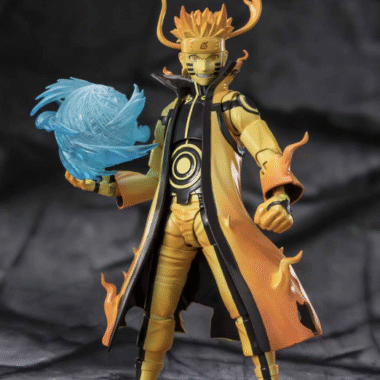
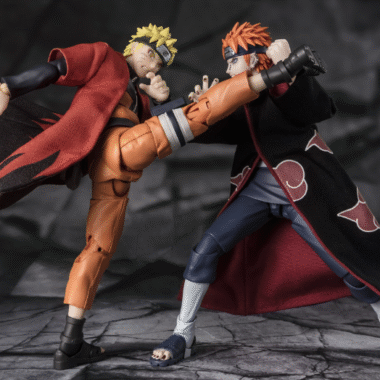
Certain manufacturers have built strong reputations within the Naruto figure collecting community, influencing both the desirability and perceived value of their products. Companies like Bandai, through its Tamashii Nations division, are renowned for their high-quality action figures, particularly the S.H.Figuarts line, which offers excellent articulation and character accuracy. Good Smile Company is celebrated for its Nendoroid and Figma lines, known for their stylized designs and extensive accessory options, appealing to fans who appreciate a more chibi aesthetic or detailed posing capabilities. For high-end, premium statues, Tsume Art is a name that often commands respect, producing large, intricately detailed pieces that are highly sought after by serious collectors. The market reputation of these manufacturers is built on consistent quality, attention to detail, and the ability to capture the essence of the characters. When acquiring Naruto figures, understanding which companies are trusted for quality and authenticity can significantly guide purchasing decisions and investment strategies, similar to how brand recognition influences choices in other collectible markets, such as the detailed buyer’s guide for a BricksFun Batman Action Figure: The Ultimate Buyer’s Guide for 2026.