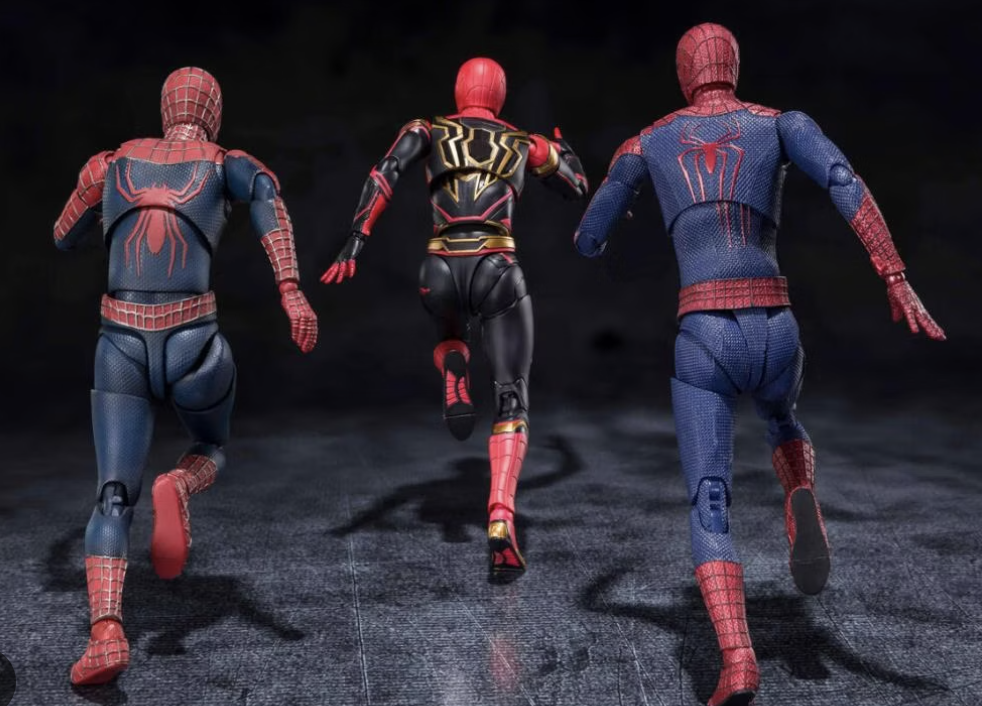
Action Figures
Discover the ultimate destination for action figure enthusiasts, featuring a curated selection of highly articulated collectibles from world-renowned brands like Bandai, NECA, Hasbro, and Medicom. Whether you are a 1/12 scale photographer seeking figures with butterfly joints and ankle rockers, or a 1/6 scale connoisseur looking for museum-grade pieces with tailored fabric outfits, our catalog spans every fandom. From limited-edition ‘Build-A-Figure’ waves to rare Japanese imports and die-cast masterpieces, we ensure every item meets collector standards for paint application and joint integrity. Secure your pre-orders for the latest cinematic and comic book releases, and enjoy specialized packaging designed to keep your ‘Mint on Card’ (MOC) or ‘Mint in Box’ (MIB) investments in pristine, shelf-ready condition for years to come.
Showing all 5 results
-
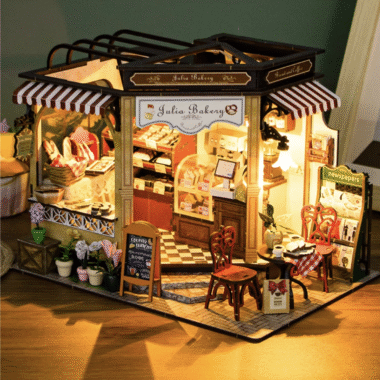
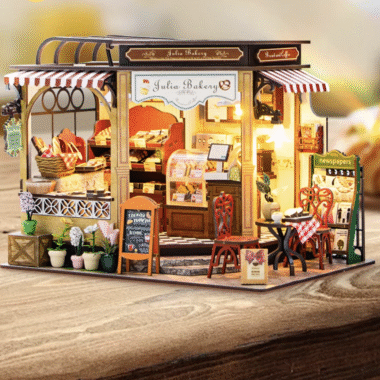
DIY Julia’s Bakery Wooden Model Kit – Handcrafted Mini House Toy, Perfect Birthday Gift
$69.00 Add to cart -
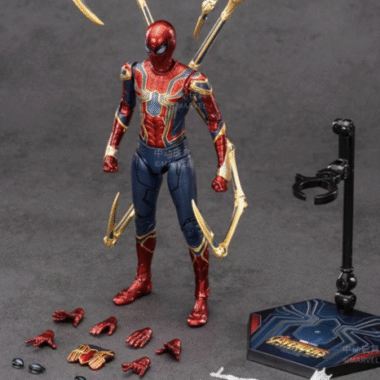
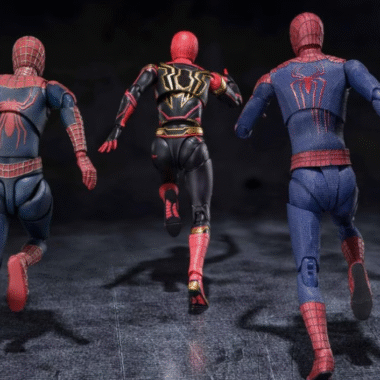
Custom Marvel Action Figures: Your Hero, Your Way!
$54.39 Add to cart -
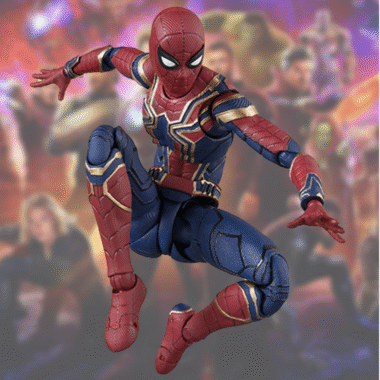
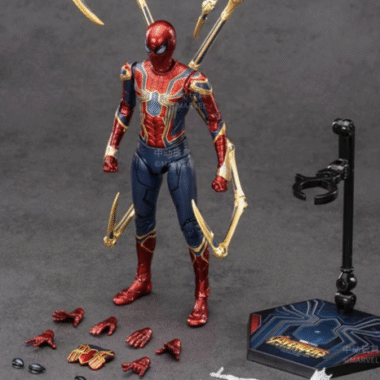
Spiderman Action Figure Custom Figurine Marvel Collectible
$65.72 Add to cart -
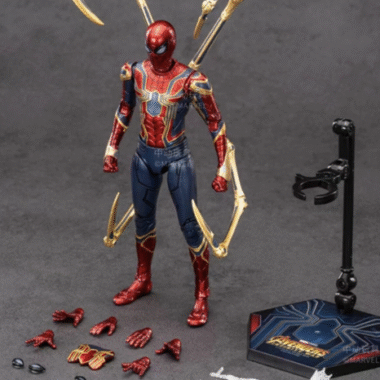
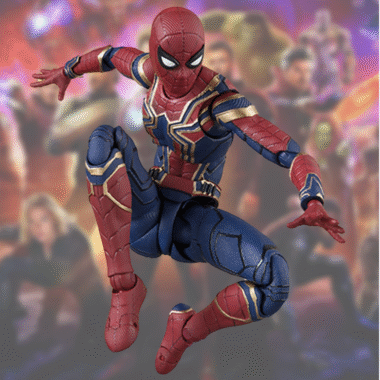
Spiderman Action Figure Custom Collectible Marvel Hero Icon
$78.26 Add to cart -
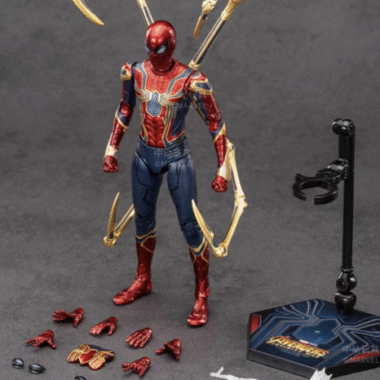
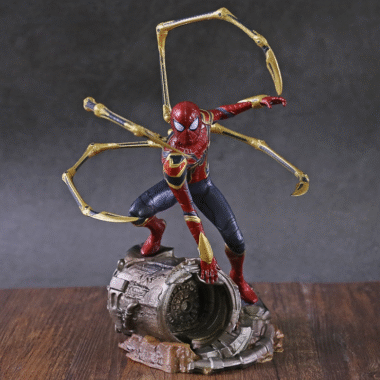
Spiderman Action Figure Custom Figurine Marvel Battle-Ready Stance
$54.81 Add to cart