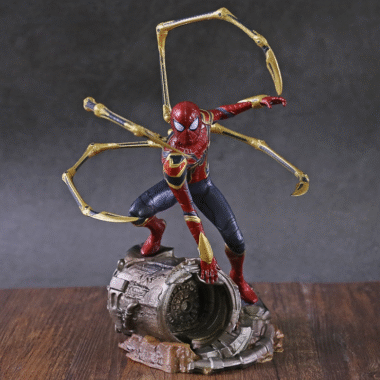
Welcome to the electrifying world of action figure customization, where a standard-issue Spider-Man from Hasbro’s Marvel Legends line can morph into your dream web-slinger—be it a battle-worn MCU hero, a comic-accurate ’60s Ditko design, or a wild Miles Morales variant straight out of Spider-Man: Across the Spider-Verse. As of 2026, with the hype around Spider-Man 4 and Insomniac’s Marvel’s Spider-Man 3 ramping up, collectors aren’t just buying figures; they’re crafting legacies. Customizing isn’t just a hobby—it’s therapy, artistry, and a nod to Peter Parker’s DIY ethos (remember, he built his web-shooters in a garage?).
Why dive in? Stock figures are great starters, but customs let you fix flaws—like bland paint on a $25 Legends Spidey—or create exclusives no wave offers. A quick repaint can add $50 to resale value on eBay, and the satisfaction? Priceless. This 2000-word guide is your thwip-to-custom blueprint, scaled for all levels: beginners crafting webs, intermediates weathering suits, and pros sculpting heads. We’ll draw from 2025-2026 trends, like TikTok’s viral web tutorials and Instagram’s headsculpt hacks. No fancy studio needed—just your figure, some basics, and elbow grease. Safety first: Work in ventilated spaces, and if you’re under 18, grab adult supervision. Ready to suit up? Let’s web-sling into tools.
Essential Tools and Materials: Your Customization Web-Shooter Kit
Before wielding the sculpting knife, assemble your arsenal. Customizing Spider-Man figures demands precision without breaking the bank—expect to spend $50–$150 on starters, reusable across projects. Here’s the breakdown, categorized for sanity:
Core Basics (Under $20 Total):
- Figure Base: Start with a 6-inch Marvel Legends Spider-Man (2026 Retro Series, ~$25). It’s articulated, affordable, and forgiving for noobs. Avoid Hot Toys for first-timers—their cloth suits complicate things.
- X-Acto Knife or Scalpel: For trimming flash or reshaping. ($5 on Amazon.)
- Fine Sandpaper (400–2000 grit): Smooths surfaces post-cut. Wet/dry varieties prevent dust clouds.
- Painter’s Tape and Toothpicks: Masking and detail applicators.
Painting Essentials ($30–$50):
- Acrylic Paints: Vallejo or Citadel Model Color sets—non-toxic, matte for spandex realism. Get reds, blues, blacks, whites, and metallic silvers for webs. ($10/set.)
- Primer: Tamiya Flat Surface Primer spray—grays for adhesion. ($8/can.)
- Brushes: Synthetic sizes 00–3 for micro-details; a sponge for weathering. ($10 kit.)
- Sealer: Testors Dullcote spray—matte finish to lock in your work and fend off fingerprints. ($10.)
Sculpting and Mods ($20–$40):
- Apoxie Sculpt or Green Stuff: Two-part epoxy putty for adding webs or emblems. Dries hard in 24 hours. ($15.)
- Super Glue (CA Glue) and Baking Soda: Instant bonds; soda thickens for gap-filling.
- Worbla or Friendly Plastic: Heat-moldable thermoplastic for custom armor or masks. ($20/sheet.)
- LED Kit (Optional for Advanced): Micro LEDs and batteries for glowing eyes (~$15 from Adafruit).
Finishing Touches ($10–$20):
- Translucent Plastic Sheets: For web effects—cut from packaging or buy craft vinyl.
- Pigments and Washes: Citadel Shades for grimy battle damage.
- Display Stand: Clear acrylic for posing your masterpiece.
Pro sourcing: Hobby Lobby for paints, Amazon for kits, or 2026’s eco-trend: Recycled plastics from Etsy custom shops. Store in a tackle box for organization. Test everything on scrap plastic first—Spider-Man’s suit is glossy, so mismatched paints flake. With this kit, you’re Parker-level prepared. Now, level up with hands-on projects.
Beginner Project: Crafting Custom Web Accessories – Thwip It Yourself
New to customs? Start simple: Ditch those flimsy stock webs for bendable, poseable ones that make your Spidey look like he’s zipping across Queens. This 30-minute tutorial, inspired by 2025 Instagram reels, yields six webs, compatible with Legends or Mafex hands. No sculpting required—just creativity.
Step 1: Design and Prep (5 Minutes) Gather translucent white or purple craft vinyl (or raid blister packaging). Sketch web shapes on paper: straight “zip-lines” (4–6 inches), fanned “bursts” (2×3 inches), and looped “nets.” Trace onto vinyl with a Sharpie. Why translucent? It mimics web-fluid glow under lights, per TikTok pros. Cut roughly with scissors—precision comes later.
Step 2: Shaping the Webs (10 Minutes) Heat a straight vinyl strip over a candle flame (or low-heat gun) until pliable—10 seconds max, or it warps. Drape over a curved form (like a pencil) for arc. For bursts, score lines with an X-Acto every 0.5 inches, then bend outward like fingers. Cool under running water for shape-lock. Pro tip: Add wire cores (floral wire, 22-gauge) inside thicker webs for rigidity—glue ends flush.
Step 3: Attachment Points (5 Minutes) At one end, carve a small tab (0.25-inch) to peg into wrist ports. For hand-grip webs, mold a loop that slips over fingers. Test-fit on your figure: Legends wrists have 5mm holes; sand if tight. If floppy, reinforce with baking soda-glue mix for a tacky hold.
Step 4: Painting and Finishing (10 Minutes) Prime lightly with brush-on primer to avoid melting vinyl. Dry-brush metallic silver or purple for sheen—two thin coats, 5 minutes apart. Seal with Dullcote for matte “fluid” texture. Attach: Pose Spidey mid-swing, webs trailing—voilà, dynamic diorama fodder.
Variations: Glow-in-the-dark paint for night ops, or color-code for variants (blue for Superior Spider-Man). Cost: $5. Time: 30 mins. Result? Your $25 figure now rivals $50 deluxe sets. Beginners, snap progress pics for X—#SpideyCustoms is buzzing in 2026. Level unlocked: Now tackle paint.
Intermediate Project: Repainting and Weathering – Give Your Suit Battle Scars
Got the basics? Elevate with a repaint: Transform a plain Retro Spider-Man into a gritty, post-Sinister Six brawler. This 2–3 hour project, echoing YouTube weathering guides, uses masking for clean lines and washes for realism. Focus: The iconic red-blue suit, adding tears and grime.
Step 1: Prep and Disassembly (20 Minutes) Work in a dust-free zone—garage workbench ideal. Remove head, hands, and feet (twist gently; heat with hairdryer if stuck). Soak in Simple Green solution (1:10 water) for 10 minutes to strip factory paint—scrub with old toothbrush. Rinse, dry fully (24 hours). Prime entire body with Tamiya spray, 6 inches away, two light coats. Sand glossy spots for tooth. Mask joints with tape to protect articulation.
Step 2: Base Coat Application (30 Minutes) Mix custom reds: 70% scarlet + 30% crimson for vibrancy. Brush on torso and legs—thin layers to avoid pooling. Blues: Ultramarine base, dry-brushed with lighter azure for highlights. Spider emblem? Freehand with 00 brush or stencil (print, trace). Eyes: White base, black pupil dots. Dry 15 minutes between coats. Tip: For symmetry, paint one side, mirror it.
Step 3: Detailing and Webbing (45 Minutes) Accent webs with silver metallic—fine lines via toothpick. Add black outlines for depth. For variants: Swap to symbiote black (matte ebony base, glossy tendril highlights). Cure under fan.
Step 4: Weathering for Realism (45 Minutes) This sells the custom: Mix Citadel Agrax Earthshade wash (brown-black) with water 1:1. Dab on edges—boots, cuffs, emblem—for grime buildup. Sponge dry-brush silver chips on knees/elbows for wear. For tears: Slice fabric-like slits with X-Acto (shallow, 1mm), fill with putty, paint scarred pink “skin” underneath. Sponge rust orange on “metal” web-shooters. Blend with blending medium to fade harsh lines—evokes No Way Home chaos.
Step 5: Reassembly and Sealing (20 Minutes) Reattach parts—test poses. Spray Dullcote 12 inches away, two coats, 30 minutes dry time. Buff fingerprints with microfiber. Display: Perch on a web-line (fishing line strung across shelf).
Cost: $15 (paints/washes). Time: 2.5 hours + dry. Outcome: A $25 figure with $100 Hot Toys grit. Common pit: Thick paint cracks—thin is key. Intermediates, layer effects: Add blood splatters (red wash) for Venom fights. Your Spidey’s story just got personal.
Advanced Project: Sculpting a Custom Head Sculpt – Miles or Beyond
Pros, time for god-tier: Craft a head for a variant, like turning Peter into Miles Morales. This 4–6 hour sculpt, drawn from recent Hot Toys-inspired TikToks, uses putty for lifelike features. Requires steady hands; reference photos essential.
Step 1: Reference and Base Prep (30 Minutes) Choose variant: Miles’ locs and brown skin? Print 1:6 scale refs (scale Photoshop image to 1.5-inch head height). Remove stock head—boil in water 1 minute for ball-joint release. Clean socket.
Step 2: Armature Build (45 Minutes) Roll aluminum foil into egg shape, matching neck peg. Wrap with masking tape for smoothness. This “armature” saves putty. Insert neck peg—secure with glue.
Step 3: Sculpting the Features (2 Hours) Knead Apoxie Sculpt (equal parts A/B, 5 minutes). Apply in layers: Base skull first, smooth with wet finger. Eyes: Indent sockets, add white orbs with black dots—angle for “determined” gaze. Nose/mouth: Carve subtle bridges and lips. For Miles: Extrude locs from putty strands, twist into coils, glue on. Skin texture: Stipple with brush for pores. Work in 15-minute bursts—putty sets fast. Tools: Clay shapers or dental picks for precision.
Step 4: Mask and Integration (1 Hour) Sculpt cowl over: Roll thin putty sheet, drape like fabric, etch web patterns. For unmasked: Blend hairline seamlessly. Bake? No—air-dry 24 hours on foil. Sand imperfections (800 grit), prime, paint: Flesh tones (brown for Miles), then mask details.
Step 5: Finishing and Swap (45 Minutes) Paint eyes glossy, seal all. Test-fit: Ball-joint should swivel. If loose, add putty shim. Pose with custom webs from Beginner project—Miles leaping through Brooklyn.
Cost: $25 (putty/tools). Time: 5 hours + cure. Result: Unique head worth $50 standalone. Pitfall: Asymmetry—use mirrors. Advanced twist: Embed micro-LEDs in eyes (wire to battery pack in torso). Share on TikTok; 2026’s #CustomHeadSculpt trend is exploding.
Tips, Safety, and Troubleshooting: Keep Your Customs Swinging Smooth
Safety: Acrylics are safe, but ventilate sprays—use respirator ($10). Avoid skin contact; wash hands. Fire hazard: No open flames near putty. Kids: Supervise tools.
Tips: Document steps (phone vids for tweaks). Join r/ActionFigure on Reddit for feedback. Eco-hack: Reuse paint water for washes.
Troubleshooting: Cracks? Too-thick layers—sand and recoat. Dull finish? Extra sealer coats. Faded colors? UV-protective varnish.