Setting the Stage: The Competitive Landscape
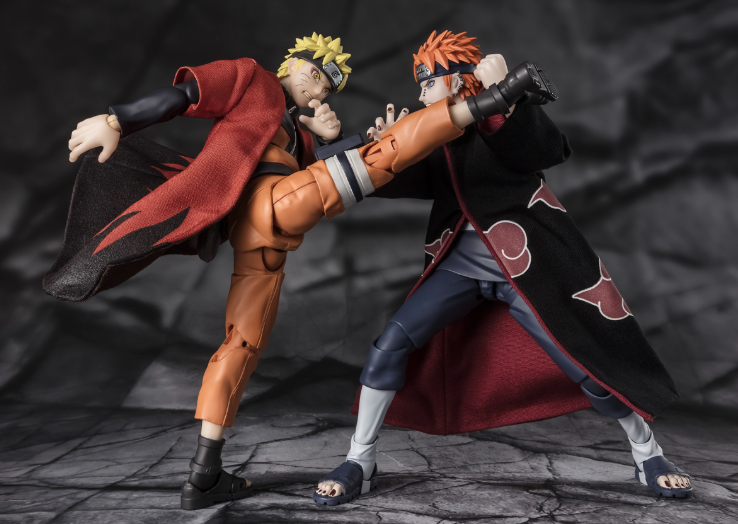
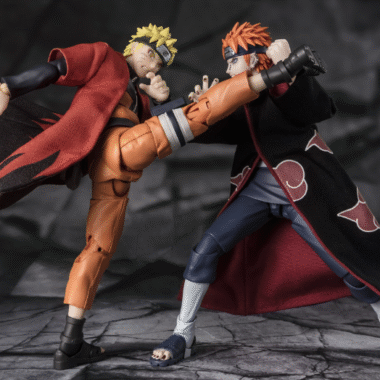
naruto figures Custom figure Naruto Sage Mode vs Pain High Kick Battle
This naruto figures custom figure set depicts an intense battle scene between Sage Mode Naruto and Pain. Naruto is captured mid-air performing a high kick…
View Product →The market for high-fidelity anime collectibles, particularly those depicting dynamic battle scenes, is a specialized and increasingly sophisticated segment. Within this niche, the “Naruto figures Custom figure Naruto Sage Mode vs Pain High Kick Battle” (henceforth referred to as “the Featured Custom Diorama” or “FCD”) represents a distinct category: a custom-crafted piece designed for unparalleled dynamism and artistic expression. Its primary market alternatives fall into two broad categories: high-end official licensed resin statues and dioramas (e.g., from studios like Tsume Art, Prime 1 Studio, or Megahouse G.E.M. EX series), and unofficial, third-party premium resin statues often produced by independent studios.
Objective comparison within this landscape is inherently non-trivial due to several factors. Firstly, the FCD, being a “custom figure,” implies a degree of bespoke artistry and potentially limited production, contrasting with the standardized quality control and mass-production efficiencies of official lines. Secondly, the subjective nature of artistic merit—how well a pose captures emotion, the fidelity of a sculpt, or the vibrancy of a paint application—introduces variability that quantifiable metrics alone cannot fully address. Lastly, the presence or absence of an official license significantly impacts product legality, perceived value, resale potential, and the availability of after-sales support, creating distinct value propositions that must be carefully weighed by the discerning collector. This article aims to dissect these complexities through a structured analytical framework.
Defining the Evaluation Criteria
To provide a robust and equitable comparison, we establish three core evaluation criteria, each broken down into specific benchmarks. This systematic approach allows for a granular assessment of the Featured Custom Diorama against its market alternatives, moving beyond superficial impressions to uncover underlying strengths and weaknesses.
Performance Benchmarks and Methodology
Performance in the collectible market refers to the artistic and technical execution of the piece. Our methodology will assess:
* Artistic Merit & Dynamism: This evaluates the creativity and impact of the pose, the overall composition, and the diorama’s ability to tell a compelling visual story. For battle scenes like the FCD, the sense of motion, energy, and the interaction between figures are paramount. We examine how effectively the piece captures the characters’ iconic moments and personalities, particularly Naruto’s “intense focus” and Sage Mode power.
* Sculpt Fidelity & Likeness: This benchmark scrutinizes the accuracy of the character sculpts to their source material, including facial expressions, costumes, and anatomical proportions. The level of intricate detail, texture work (e.g., fabric folds, skin, hair), and the sharpness of the sculpt are also critical indicators of quality.
* Paint Application & Finish: This assesses the precision, consistency, and artistic nuance of the paintwork. Factors include clean lines, smooth gradients, effective shading and highlighting, realistic weathering effects, and the quality of any special effects (e.g., translucent chakra effects, impact debris). The overall finish, whether matte, gloss, or a combination, contributes significantly to the final aesthetic.
* Base & Environmental Integration: For dioramas, the base is an integral part of the narrative. This criterion evaluates how well the base supports the figures, enhances the scene’s storytelling, and integrates environmentally relevant elements (e.g., crumbling earth, dust clouds, energy effects) to elevate the overall presentation.
Build Quality and Material Comparisons
The tangible quality and longevity of a collectible are directly tied to its build and materials. This section will focus on:
* Material Choice and Durability: The primary materials used are typically polyresin for premium statues and PVC/ABS for mass-produced figures. We will compare their respective advantages in detail retention, weight, and perceived quality. Durability considerations, especially for dynamic, cantilevered poses, are critical.
* Engineering & Stability: For complex and dynamic poses, robust engineering is essential to ensure stability, prevent leaning over time, and facilitate secure assembly. This includes examining connection points, internal support structures, and the overall balance of the diorama. The FCD’s “balancing expertly on his left leg” is a key engineering challenge.
* Quality Control (QC): This refers to the consistency of quality across individual units. For custom or small-batch productions, QC can be highly variable, whereas established official studios typically have stringent multi-stage inspection processes. We look for the absence of flaws such as seam lines, paint errors, breakage, or warping.
* Packaging: Effective packaging is crucial for protecting delicate collectibles during transit and can also contribute to the unboxing experience. Robust foam inserts, secure strapping, and clear assembly instructions are indicators of thoughtful design.
Price-to-Value Ratio Framework
Evaluating the financial aspect goes beyond the initial price tag, encompassing a broader understanding of value.
* Initial Purchase Price: The upfront cost of acquiring the diorama. For custom pieces, this can be highly variable, reflecting artist labor, material costs, and exclusivity. For official pieces, it includes licensing fees and extensive R&D.
* Perceived Value: This is the subjective assessment of what the buyer feels they are getting for their money, encompassing the size, detail, complexity, brand prestige, and overall “wow” factor. A high perceived value justifies a higher price point.
* Long-Term Value & Resale Potential: How well the collectible retains or increases its value over time. Factors include brand reputation, edition size, character popularity, and condition. Official licensed products often have more predictable resale markets, while custom pieces can be highly volatile.
* Hidden Costs and Risks: These include international shipping fees, import duties, potential for customs delays, and the cost or feasibility of repairs for damaged items. For unofficial products, the lack of official licensing can introduce legal and ethical considerations for some collectors, potentially impacting future marketability.
Head-to-Head Analysis
Applying the defined criteria, we now conduct a direct comparison of the Featured Custom Diorama (FCD) against its primary market alternatives: high-end Official Premium Dioramas (OPD) and Third-Party Premium Dioramas (TPD).
Category: Performance — Who Wins and Why
The FCD, as described, makes a compelling case for Artistic Merit & Dynamism. Its “incredibly dynamic battle scene” and Naruto’s “balancing expertly on his left leg while delivering a powerful high kick” suggest an unfettered artistic vision. Custom pieces often excel here because they are not constrained by the same brand guidelines or mass-production limitations that can sometimes lead to more conservative poses in official lines. The “intense focus” captured in Naruto’s expression highlights the potential for deep character immersion. However, the Sculpt Fidelity & Likeness in custom pieces can be a double-edged sword; while some custom artists achieve exceptional accuracy, the absence of official character model sheets and approval processes means likeness can sometimes deviate, becoming a subjective interpretation rather than a direct replication.
Official Premium Dioramas (OPD), such as those from Tsume Art or Prime 1 Studio, typically set the industry benchmark for Sculpt Fidelity & Likeness. Their direct access to source material and stringent approval processes ensure near-perfect character representation. They also frequently achieve very high levels of Artistic Merit & Dynamism, often pushing technical boundaries with complex, multi-character compositions and elaborate environmental effects. Their Paint Application & Finish is usually impeccable, featuring sophisticated shading, detailed textures, and expertly integrated special effects (e.g., translucent resin for chakra or energy blasts). The Base & Environmental Integration in OPDs is often a masterclass in storytelling, transforming the diorama into a miniature narrative scene.
Third-Party Premium Dioramas (TPD) often compete fiercely with OPDs in Artistic Merit & Dynamism, frequently taking on iconic or highly anticipated scenes that official studios have yet to produce. They often match or exceed OPDs in scale and ambition, demonstrating impressive technical skill in sculpting and composition. Sculpt Fidelity & Likeness can vary significantly among TPD studios; while some boast exceptional artists who rival official output, others may have slight discrepancies that dedicated fans notice. Paint Application & Finish also shows a spectrum, with top-tier TPDs delivering results comparable to OPDs, featuring intricate details and sophisticated effects, while lesser studios might exhibit minor flaws or less nuanced shading. Their Base & Environmental Integration can be highly creative and elaborate, aiming to create a visually stunning experience.
In summary, the FCD likely wins on raw, unconstrained Artistic Dynamism due to its custom nature, pushing boundaries that official products might avoid. OPDs consistently win on Sculpt Fidelity, Likeness, and overall consistent Paint Application, backed by official oversight. TPDs offer a strong balance, often achieving high dynamism and detail, but with greater variability.
Category: Build Quality — Engineering Differences Examined
The Featured Custom Diorama (FCD), described with Naruto “balancing expertly on his left leg,” immediately highlights the engineering challenge inherent in such a dynamic pose. For a custom piece, this indicates a high level of individual craftsmanship and structural design. The material is almost certainly polyresin, known for its ability to capture fine detail. However, the Quality Control (QC) for custom pieces can be highly variable. While the specific piece might be flawless, consistency across a (potentially very small) batch is not guaranteed. The fragility of resin in such cantilevered poses is a significant consideration, requiring robust internal armature and careful handling. Packaging for custom pieces can range from adequate to professional, depending on the individual artist or small studio’s resources.
Official Premium Dioramas (OPD) are engineered with meticulous precision. Their complex, multi-part designs are typically cast in high-quality polyresin, sometimes incorporating PVC or ABS for smaller, more flexible components. The Engineering & Stability are paramount, with extensive R&D dedicated to ensuring that even the most dynamic and gravity-defying poses remain stable and resistant to leaning over time. Internal metal armatures and precisely machined connection points are standard. Quality Control is a hallmark of official studios, with multiple inspection stages ensuring minimal flaws, perfect fitment, and consistent paint application across all units. This stringent QC significantly contributes to their Durability. Their Packaging is usually robust, featuring custom-cut foam inserts and strong outer boxes designed to protect the delicate contents during international shipping.
Third-Party Premium Dioramas (TPD) also primarily utilize polyresin for their intricate sculpts. The Engineering & Stability for their often ambitious and dynamic poses can be impressive, sometimes pushing the envelope further than official pieces. However, stability can occasionally be compromised in pursuit of spectacle, leading to potential issues with long-term leaning or breakage if not designed perfectly. Quality Control is the most significant differentiating factor for TPDs. While some highly reputable third-party studios have invested heavily in robust QC processes, others may have less consistent output, leading to a higher risk of receiving units with minor (or occasionally major) flaws such as imperfect seams, paint smudges, or fitment issues. Packaging quality among TPDs also varies, from basic protection to highly professional, multi-layered solutions.
In essence, OPDs lead in consistent, proven Engineering, Stability, and stringent Quality Control, offering peace of mind. The FCD demonstrates a high level of individual engineering skill for its specific pose but carries inherent QC variability. TPDs offer ambitious engineering but with the highest variability in overall QC.
Category: Price and Long-Term Cost of Ownership
The Featured Custom Diorama (FCD) occupies a unique position regarding price. If it is a truly one-off, bespoke commission, its initial purchase price could be exceptionally high, reflecting the artist’s unique skill, time, and materials. If it’s a small-batch custom figure from a niche studio, it would likely fall into the premium resin statue price range, typically from $500 to $2000+, depending on scale and complexity. The Perceived Value for a custom piece is often very high for collectors who prioritize uniqueness and specific artistic interpretations. However, its Long-Term Value & Resale Potential is highly unpredictable. Without official licensing or a well-established, globally recognized brand, resale value is heavily dependent on the individual artist’s reputation and the specific appeal of the piece, making it a potentially riskier investment. Hidden Costs like international shipping and customs duties can be substantial, and after-sales support for custom pieces is usually limited.
Official Premium Dioramas (OPD) command consistently high initial purchase prices, typically ranging from $800 to $3000+, and sometimes significantly more for very large or limited editions. This price is justified by the official licensing fees, extensive research and development, superior materials, stringent quality control, and the brand’s reputation. The Perceived Value is generally very high due to brand prestige, guaranteed authenticity, and consistent quality. Crucially, OPDs tend to have the most stable and often appreciating Long-Term Value & Resale Potential. Limited edition official pieces from reputable brands frequently hold or increase their value over time, making them a more reliable investment for collectors concerned with future marketability. They also typically offer reliable customer service and parts replacement for defects, mitigating some Hidden Costs of potential repairs.
Third-Party Premium Dioramas (TPD) generally offer a more accessible price point than OPDs, often ranging from $400 to $1500+. This makes them attractive for collectors seeking high detail and dynamism without the official premium. Their Perceived Value can be excellent when the quality of the sculpt and paint is high, offering a compelling product for the price. However, their Long-Term Value & Resale Potential is more volatile than OPDs. While some highly sought-after TPDs from reputable studios can hold or even increase in value, the lack of official licensing and the inherent variability in QC across the third-party market mean that resale can be less predictable and potentially lower than their initial cost. Hidden Costs like shipping and customs are also significant, and after-sales support can be challenging, with many studios operating with limited warranties or support channels.
In summary, OPDs offer the highest initial price but generally the most reliable Long-Term Value and Lowest Cost of Ownership (due to reliability and support). TPDs provide a strong price-to-performance ratio but with increased risk in long-term value and support. The FCD, while potentially offering peak perceived artistic value, carries the highest financial uncertainty in the long run.
Scenario-Based Winner Selection
naruto figures Custom figure Naruto Sage Mode vs Pain High Kick Battle
This naruto figures custom figure set depicts an intense battle scene between Sage Mode Naruto and Pain. Naruto is captured mid-air performing a high kick…
View Product →The optimal choice among these premium collectible options is not universal; it heavily depends on the individual buyer’s priorities, risk tolerance, and budget.
For the Budget-Conscious, Rational Buyer
For the buyer whose primary concern is maximizing aesthetic impact and detail within a constrained budget, while still appreciating premium craftsmanship, the Third-Party Premium Diorama (TPD) often presents the most rational choice. These products consistently offer ambitious sculpts, significant scale, and dynamic poses at a price point that is typically 30-50% lower than comparable Official Premium Dioramas. While the variability in Quality Control (QC) is a factor, careful research into specific third-party studios with established reputations for quality can mitigate much of this risk. The rational buyer will prioritize a strong immediate price-to-performance ratio, accepting the slightly higher long-term resale volatility and potentially more challenging after-sales support in exchange for a significantly lower upfront investment. The Featured Custom Diorama, by its very nature, is unlikely to be budget-conscious due to the bespoke effort involved, and Official Premium Dioramas are simply too expensive for this segment.
For the Performance-First Enthusiast
The performance-first enthusiast prioritizes unparalleled artistic vision, extreme dynamism, and meticulous detail above all else, often with less regard for budget constraints or long-term investment speculation. For this collector, the Featured Custom Diorama (FCD) stands out as a strong contender, potentially an outright winner. The description of its “incredibly dynamic battle scene” and Naruto’s “balancing expertly” suggests an artistic freedom and technical ambition that often surpasses the more commercially constrained official releases. Custom pieces can achieve unique, emotionally charged poses and compositions that push the boundaries of what is technically possible in a static figure. When a custom piece like the FCD nails the specific iconic moment and character essence with such intensity, it resonates deeply with the enthusiast who seeks the pinnacle of artistic expression. However, a top-tier Official Premium Diorama (OPD) from a brand renowned for its groundbreaking engineering and artistic direction (e.g., Tsume Art) also presents a compelling alternative, offering near-flawless execution and often breathtaking dynamism within the official canon. The choice between FCD and OPD for this buyer hinges on whether they prioritize unique, unconstrained artistic interpretation (FCD) over flawless, officially sanctioned artistic execution (OPD).
For the User Prioritising Longevity and Reliability
For the collector whose primary concern is the long-term integrity, stability, and investment security of their purchase, the Official Premium Diorama (OPD) is the unequivocal winner. These products are backed by established companies with rigorous Quality Control (QC) processes, ensuring consistent build quality, paint application, and structural integrity across all units. The robust engineering employed in OPDs is designed to withstand the test of time, minimizing concerns about leaning, breakage, or material degradation. Furthermore, the official licensing provides a layer of legal and ethical assurance, which can be crucial for some collectors. This also translates into more predictable and often appreciating long-term resale value, as official products from reputable brands are generally more liquid and sought after in the secondary market. The availability of official customer support and warranty services further enhances their reliability, offering peace of mind for potential issues. Both the Featured Custom Diorama and Third-Party Premium Dioramas, despite their potential artistic merits, inherently carry higher risks regarding QC variability, long-term stability, and after-sales support due to their less formal production processes and lack of official backing.
The Verdict: Data-Driven Recommendation
Based on a comprehensive analytical comparison across performance, build quality, and price-to-value metrics, a nuanced recommendation emerges, acknowledging the diverse priorities within the premium collectible market.
Overall Winner with Clear Analytical Justification
For the discerning collector who prioritizes a balanced combination of artistic excellence, unparalleled reliability, consistent quality, and predictable long-term value, the Official Premium Diorama (OPD) emerges as the overall winner. While the Featured Custom Diorama (FCD) undeniably offers a unique and potentially superior level of artistic dynamism and unconstrained vision, the OPD consistently delivers on meticulous sculpt fidelity, pristine paint application, robust engineering, and stringent quality control, all backed by official licensing and comprehensive customer support. The higher initial investment in an OPD is analytically justified by its lower long-term cost of ownership (due to fewer potential issues and reliable support), superior resale value stability, and the assurance of consistent, top-tier craftsmanship. For a collector seeking a flagship piece that will endure both physically and in market value, the OPD presents the most rational and secure choice.
When the Runner-Up Makes More Sense
The Featured Custom Diorama (FCD) makes a compelling case as the runner-up for collectors whose primary driver is uniqueness and the pursuit of ultimate artistic dynamism. If the FCD’s “incredibly dynamic battle scene” and “intense focus” truly capture an unparalleled moment that no official release has matched, then its specific artistic merit might outweigh the OPD’s general reliability for a dedicated enthusiast. This choice is driven by passion for a singular artistic vision rather than purely rational investment metrics. Similarly, the Third-Party Premium Diorama (TPD) serves as an excellent runner-up for the budget-conscious collector who seeks high-end dynamism and detail at a more accessible price point than an OPD. When a TPD from a reputable studio demonstrates strong QC and artistic execution, it offers an exceptional value proposition, making it a highly attractive option despite the inherent risks of unofficial products.
Situations Where Neither Is Optimal
There are specific scenarios where none of these premium options—the FCD, OPD, or TPD—represent an optimal choice:
* Extreme Budget Constraints: For collectors operating with very limited budgets, even the more affordable TPDs are likely out of reach. Mass-produced PVC/ABS figures from brands like Banpresto or Pop Up Parade would be the only viable entry points into Naruto collecting.
* Space Limitations: All three categories, especially battle dioramas, can be exceptionally large and require significant display space. Collectors with limited room might find smaller-scale figures, busts, or articulated action figures to be more practical alternatives.
* Desire for Articulation and Playability: None of these static statue options offer articulation for posing or interactive play. Collectors prioritizing these features would be better served by action figures from lines like S.H.Figuarts or Figma.
* Absolute Copyright Adherence: For collectors who strictly adhere to purchasing only officially licensed products due to ethical considerations regarding intellectual property or concerns about authenticity, both the Featured Custom Diorama (if unofficial) and all Third-Party Premium Dioramas would be suboptimal or entirely unacceptable choices.