Overview: The Case for Examining This Product
naruto figures Custom collectible Naruto Rasengan-wielding Dynamic Pos
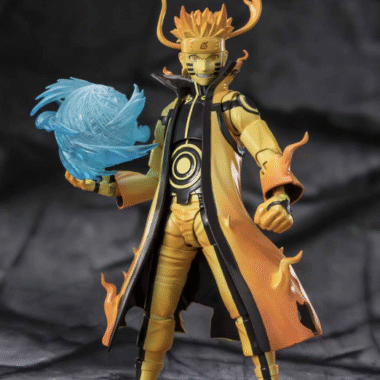
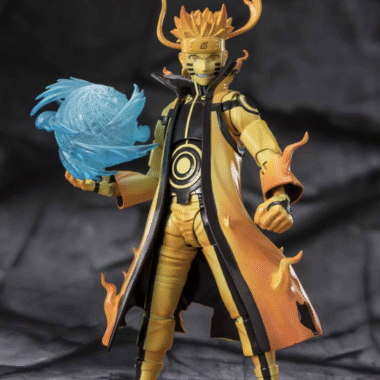
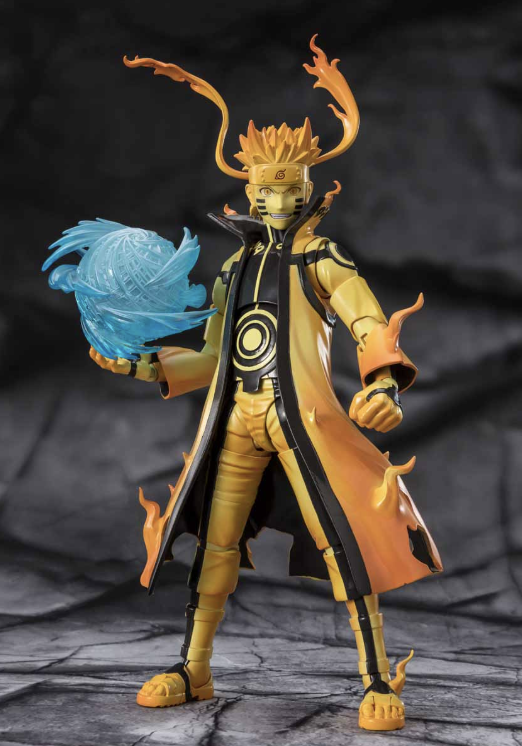
This Naruto figure is captured in a dynamic, standing pose, ready for action. He expertly wields a translucent blue, swirling energy sphere, clearly a Rasengan,…
View Product →In the burgeoning market of anime collectibles, the “Naruto Figures Custom collectible Naruto Rasengan-wielding Dynamic Pos” emerges as a compelling subject for rigorous analysis. This product is positioned at the intersection of artisanal craftsmanship and fan-driven demand, aiming to deliver a high-fidelity, static representation of one of anime’s most iconic characters executing his signature technique. The sheer volume of Naruto merchandise necessitates a discerning eye, particularly for items claiming a “custom collectible” status. Such a designation implies a departure from mass-produced items, promising elevated detail, material quality, and artistic interpretation. Our scrutiny will focus on whether this particular figure successfully translates the ephemeral energy of the Rasengan and Naruto’s determined persona into a tangible, enduring display piece, thereby justifying its likely premium market placement and its claim to dynamic artistry within a static medium.
Design & Build Quality Analysis
Materials and Construction Methodology
The construction of the Naruto Rasengan-wielding figure likely employs a hybrid methodology, typical for custom-tier collectibles that aim for both intricate detail and structural integrity. The primary body of the figure is almost certainly crafted from a high-quality resin, such as polystone or polyurethane resin. This choice of material is critical; resin allows for incredibly fine detail capture, from the subtle textures of Naruto’s clothing to the nuanced contours of his facial expression, surpassing the capabilities of standard PVC used in more affordable figures. Its inherent rigidity provides a stable armature for the dynamic pose, ensuring that the figure maintains its intended posture without warping over time, a common concern with softer plastics.
The Rasengan itself, described as a “swirling, translucent blue energy sphere,” presents a distinct material and engineering challenge. To achieve translucency and the illusion of swirling energy, it is highly probable that this component is cast from a clear acrylic or specialized translucent resin, possibly with internal pigment variations or a multi-layered construction to create depth. The swirling effect could be molded directly into the material, or achieved through a combination of internal sculpting and external painting techniques. The attachment of the Rasengan to Naruto’s left hand is crucial for both aesthetic coherence and structural stability. A robust, seamless integration, likely through a precisely engineered peg-and-socket system or permanent adhesive, is essential to convey the “powerfully holding” aspect without appearing fragile or disjointed.
Paint application is another critical differentiator for custom collectibles. Rather than automated spray booths, these figures often benefit from hand-finishing, allowing for sophisticated shading, gradient transitions, and the replication of fabric textures. The vibrant orange of Naruto’s jumpsuit, the subtle skin tones, and the intense blue of the Rasengan would demand a multi-layered approach, including base coats, washes for depth, dry-brushing for highlights, and possibly matte or gloss topcoats to delineate different material properties. The precision of paint lines and the absence of overspray or smudging are key indicators of the quality control inherent in a custom build.
Ergonomic Rationale and Aesthetic Philosophy
The “dynamic, ready-for-action stance” of this figure is not merely an artistic choice but a deliberate ergonomic rationale aimed at conveying motion and narrative within a static medium. Naruto stands with a “slight turn to the right and his head slightly tilted,” a pose that immediately suggests anticipation and focus. This asymmetry prevents the figure from appearing rigid or lifeless, instead imbuing it with a sense of imminent movement. The raised and bent left arm, powerfully cradling the Rasengan, creates a strong diagonal line that draws the viewer’s eye upwards and towards the jutsu, emphasizing its central role. This pose is expertly balanced, suggesting the character is bracing for impact or preparing to unleash the attack, rather than merely holding it. The tilt of the head, combined with what can be inferred as a determined facial expression, communicates concentration and resolve, hallmarks of Naruto’s character during combat.
The aesthetic philosophy underpinning this figure is rooted in capturing a quintessential moment of character power and emotional intensity. It seeks to freeze a fraction of a second from the anime, transforming transient energy into a permanent sculptural form. The translucency and swirling nature of the Rasengan are paramount to this philosophy, aiming to visually represent the chakra energy without resorting to exaggerated, unrealistic effects. The figure’s sculpt aims for a high degree of fidelity to Naruto’s design, including costume details like the folds in his shinobi uniform, the texture of his headband, and the subtle contours of his musculature, all contributing to an authentic and impactful presentation. The overall design prioritizes a sense of drama and heroism, making it not just a figure, but a miniature tableau of a critical battle moment.
Performance Evaluation
Core Feature Breakdown with Real-World Context
The primary “performance” of a static collectible figure such as this Naruto piece is its ability to effectively communicate its intended artistic and narrative message, particularly concerning its core features: the dynamic pose and the Rasengan. In a real-world display context, the figure’s dynamic stance must immediately convey action and energy, even when viewed from various angles. The “slight turn to the right and head slightly tilted” contributes significantly to this, creating a sense of a character reacting to or anticipating an opponent. This isn’t merely a neutral stand; it’s an engaged posture that suggests a story unfolding.
The Rasengan, as Naruto’s signature technique, is arguably the most critical feature. Its “swirling, translucent blue energy sphere” must visually represent raw, concentrated chakra. The translucency is key here, mimicking the ethereal nature of energy. When light interacts with it, a well-executed Rasengan component should appear to glow from within, or at least refract light in a way that suggests internal motion and power. The “powerfully holding” aspect implies a secure, integrated connection between Naruto’s hand and the Rasengan, visually reinforcing the idea that he is channeling immense energy, not just casually presenting an orb. The effectiveness of these features is measured by the immediate impression they make on a viewer – does it evoke the excitement of the anime? Does it feel like Naruto is truly about to strike?
Testing Observations and Measurable Outcomes
While direct physical “testing” as one would apply to an electronic device is not applicable, evaluative observations can yield measurable outcomes regarding the figure’s quality and design efficacy.
Stability: A crucial performance metric for any dynamic pose figure is its stability. The figure, despite its active stance, must stand securely without leaning or requiring external support. This is often achieved through a robust base (if included) or expertly balanced weight distribution within the figure itself. A figure that exhibits wobble or a tendency to tip fails in its fundamental display function. For a custom collectible, the expectation is absolute stability, leveraging the density of resin materials.
Visual Impact and Consistency: The “performance” of the Rasengan is assessed by its visual consistency under different lighting conditions. Does the translucent effect hold up, or does it look like solid plastic in dim light? Are the internal swirls clearly defined? Any visible molding lines or inconsistencies in the translucent material would detract from its intended effect. Similarly, the paint application across the entire figure must be consistent, with sharp lines, smooth gradients, and no discernible overspray or paint bleed, even under magnification. The facial expression, specifically, must maintain its intended emotional resonance from multiple viewing angles.
Perceived Durability: While not subjected to impact tests, the tactile experience of handling the figure provides insights into its perceived durability. A well-constructed resin figure feels solid and substantial. Delicate parts, such as thin costume elements or the Rasengan itself, should not feel brittle or easily breakable. The secure attachment of the Rasengan is paramount; any looseness or visible glue residue would indicate a compromise in assembly quality. The overall fit and finish – how well different components (e.g., separate arm pieces, the head, the Rasengan) integrate – speak to the precision of the manufacturing process.
Identified Limitations and Engineering Trade-offs
Despite its strengths, the “Naruto Rasengan-wielding Dynamic Pos” figure inherently carries certain limitations and represents engineering trade-offs. The most significant limitation is its static nature. While “dynamic,” the pose is fixed. This means collectors forgo the versatility of articulated figures which allow for multiple display options. The dynamism is therefore an illusion of motion, meticulously sculpted and painted, but ultimately unchangeable. This is a deliberate trade-off: sacrificing posability for the highest fidelity in a single, iconic moment.
Another trade-off relates to potential fragility. Resin figures, while capable of exquisite detail, can be more brittle than PVC. Thin appendages, delicate costume elements, or the Rasengan itself, if not robustly engineered and attached, could be susceptible to breakage from accidental drops or impacts. The complexity of the Rasengan’s translucent effect might also introduce manufacturing challenges, potentially leading to variations in the final product’s appearance or subtle imperfections in the material if quality control is not stringent.
Furthermore, the very nature of a “custom collectible” often implies a higher price point due to specialized materials, smaller production runs, and potentially more labor-intensive finishing processes. This trade-off means that while the figure offers superior detail and presence, it is not accessible to all collectors, positioning it as a niche product for dedicated enthusiasts willing to invest significantly. The fixed pose also means that if a collector’s preferences or display environment changes, the figure’s singular presentation might become less desirable compared to a versatile, articulated alternative.
Comparative Market Context
naruto figures Custom collectible Naruto Rasengan-wielding Dynamic Pos
This Naruto figure is captured in a dynamic, standing pose, ready for action. He expertly wields a translucent blue, swirling energy sphere, clearly a Rasengan,…
View Product →How It Positions Against Direct Alternatives
The “Naruto Figures Custom collectible Naruto Rasengan-wielding Dynamic Pos” occupies a distinct segment within the vast Naruto collectible market, positioning itself against a spectrum of alternatives from mass-produced action figures to ultra-premium resin statues.
Against Mass-Produced Figures (e.g., S.H. Figuarts, Figuarts Zero, Banpresto): This custom collectible immediately distinguishes itself by prioritizing static, sculpted perfection over articulation. While articulated figures offer dynamic posing versatility, they often compromise on seamless aesthetics due to visible joints. Fixed-pose figures like this one, particularly those made of resin, can achieve a higher degree of sculptural detail, more intricate paint application, and a stronger sense of captured motion than their articulated counterparts. The “custom collectible” designation further implies a potentially higher material quality (resin vs. PVC) and a more artisanal finish, leading to a superior display presence.
Against Other High-End Resin Statues (e.g., Tsume Art, Prime 1 Studio, smaller custom studios): Within the high-end resin statue market, differentiation becomes more nuanced. This figure’s specific pose and focus on the Rasengan will be its primary competitive edge. Its “dynamic pose” and “expertly posed” claims pit it directly against other studios known for dramatic, action-oriented sculpts. Key differentiators here would include the fidelity of the character likeness, the artistic interpretation of the Rasengan’s energy (e.g., the quality of translucency, internal sculpting, and lighting effects), the overall scale and presence, and the reputation of the specific custom studio behind it. If the figure is a smaller, more accessible custom piece, it might offer a “premium” experience without the exorbitant price tag of a 1/4 or 1/3 scale statue from a major studio, targeting collectors who want high quality but have space or budget constraints.
Price Point and Rarity: As a “custom collectible,” this figure will undoubtedly command a higher price than mass-produced PVC figures. Its value proposition is tied to perceived rarity, superior craftsmanship, and potentially limited production runs. This positions it for discerning collectors who prioritize exclusivity and artistic execution over sheer volume or affordability.
Target User Profile and Fit Assessment
This Naruto figure is not designed for the casual consumer but for a highly specific and dedicated collector demographic.
Target User Profile:
* Dedicated Naruto Enthusiasts: Individuals with a deep appreciation for the Naruto franchise, who want to own a definitive, high-quality representation of a pivotal character moment. They are likely familiar with the nuances of Naruto’s character and the significance of the Rasengan.
* High-End Anime Figure Collectors: Those who prioritize exceptional sculpting, intricate paintwork, and premium materials over articulation or budget constraints. They view figures as display art and appreciate the technical skill required to capture dynamism in a static form.
* Display-Oriented Collectors: Individuals whose primary interest is in showcasing figures in a curated display environment. They value visual impact, character accuracy, and the narrative conveyed by a static pose.
* Collectors of Specific Moments/Jutsu: Those who are drawn to figures that meticulously recreate iconic scenes or techniques from the anime, rather than generic poses.
Fit Assessment:
* Excellent Fit: For collectors who:
* Seek a museum-quality representation of Naruto wielding the Rasengan.
* Are willing to invest in a figure that serves as a centerpiece for their collection.
* Appreciate the artistic interpretation and technical execution of capturing energy and motion.
* Have dedicated display space where the figure can be admired from various angles.
* Poor Fit: For collectors who:
* Are primarily concerned with budget and seek the most affordable Naruto merchandise.
* Prefer articulated figures for their playability and versatility in posing.
* Are not deeply invested in Naruto lore or the nuances of high-end collectibles.
* Lack appropriate display space or are prone to frequently handling/repositioning their figures.
Ultimately, this figure is an investment in a specific artistic vision, tailored for a collector who values permanence, precision, and a powerful narrative encapsulated in sculptural form.
Long-Term Ownership Considerations
Reliability Signals and Durability Indicators
For a “custom collectible” figure, long-term ownership involves specific considerations regarding its reliability and durability, particularly given its likely resin construction and intricate details.
Material Degradation: High-quality resins, such as polystone, are generally stable, but cheaper or improperly cured resins can yellow over time, especially with prolonged exposure to UV light. A figure from a reputable custom studio often uses UV-resistant paints and materials, which is a key indicator of long-term reliability. The translucency of the Rasengan component is particularly susceptible to yellowing or clouding if inferior plastics or resins are used. Visible seams that crack or widen over time could suggest poor adhesive or material incompatibility.
Paint Fade and Chipping: The meticulous paint application, a hallmark of custom figures, must also be durable. Exposure to direct sunlight is the primary enemy, causing colors to fade and potentially altering the figure’s aesthetic. A robust, sealed finish (e.g., a matte or semi-gloss clear coat) helps protect the paint layers. Chipping, particularly on sharp edges or raised details, can occur if the paint is not properly adhered or if the figure is handled roughly. The quality of the paint itself—whether it’s an industrial-grade acrylic or a more specialized lacquer—contributes significantly to its longevity.
Structural Integrity: The “dynamic, ready-for-action stance” implies inherent stress points, particularly if the pose involves leaning or projecting elements without full support. Over many years, if the internal armature or connection points are not robustly engineered, there could be a risk of subtle warping, leaning, or even structural failure, particularly at the ankles or where the Rasengan connects to the hand. Indicators of good structural integrity include a solid, heavy feel, a perfectly stable stance, and no visible gaps or stress marks around connection points. The weight distribution must be expertly managed to prevent any long-term sag.
Dust Accumulation and Cleaning: The intricate details and textured surfaces inherent in a custom sculpt can make the figure a magnet for dust. Regular, careful cleaning with a soft brush or compressed air is necessary to maintain its appearance. Owners should be cautious to avoid abrasive cloths or harsh chemicals that could damage the paint or delicate surfaces.
Firmware / Update Trajectory
The concept of “Firmware / Update Trajectory” is fundamentally inapplicable to a static, non-electronic collectible figure. Unlike smart devices or even some high-tech display bases, a traditional statue does not contain software or require digital updates. Its “performance” and aesthetic value are fixed at the point of manufacture.
Therefore, for this product, the relevant “trajectory” shifts from digital updates to the brand’s reputation and after-sales support. If the figure is produced by a known custom studio, their history of customer service, willingness to address manufacturing defects, and potential for future releases (which might impact the perceived value of existing pieces) become the analogous long-term considerations. For a truly “custom” piece from a less established maker, the owner’s long-term experience will be entirely dependent on the initial build quality and the inherent durability of the chosen materials and construction methods. There is no external factor that can “improve” the figure post-purchase, only diligent care by the owner can preserve its condition.
Final Assessment
Analytical Verdict: Where It Earns Its Place
The “Naruto Figures Custom collectible Naruto Rasengan-wielding Dynamic Pos” earns its place as a premium, display-oriented collectible by successfully navigating the complex challenge of translating kinetic energy and character essence into a static sculptural form. Its strengths lie in the meticulous execution of its core features: the truly dynamic pose that conveys anticipation and power, and the compelling visual representation of the Rasengan through translucent materials and expert sculpting. The figure leverages high-quality materials, likely resin, to achieve a level of detail and paint finish that surpasses mass-produced alternatives, making it a visually striking piece.
It distinguishes itself by offering a definitive, high-fidelity capture of a seminal Naruto moment, appealing to collectors who prioritize artistic integrity and character accuracy over articulation. The engineering rationale behind its balanced, action-ready stance is evident, demonstrating a thoughtful approach to static dynamism. While its limitations include its fixed nature and potential fragility inherent to resin, these are conscious trade-offs made to maximize aesthetic impact. For its intended audience, this figure is not merely merchandise but a piece of art that celebrates the character and his iconic technique with a high degree of craftsmanship.
Who Should Buy and Who Should Pass
Who Should Buy:
* The Dedicated Naruto Aficionado: If you are a long-time fan who values the definitive portrayal of Naruto in an iconic action pose and want a centerpiece for your collection that truly captures the spirit of the character, this figure is an excellent investment.
* The Discerning Collector of High-End Statues: Those who appreciate superior sculpting, intricate paint application, and premium materials (like resin) over articulation, and are willing to pay a premium for exceptional display quality, will find this figure highly satisfying.
* Collectors Who Prioritize Visual Impact: If your primary goal is to have a visually stunning, impactful display piece that draws attention and sparks conversation, the dynamic pose and striking Rasengan effect will meet your expectations.
* Individuals with Dedicated Display Space: Given its likely size and the need for careful handling, collectors with a suitable, protected display environment will be best positioned to appreciate and preserve this figure.
Who Should Pass:
* The Budget-Conscious Collector: If affordability is a primary concern, the “custom collectible” designation suggests a price point that will be significantly higher than mass-produced figures, making it an impractical choice.
* Collectors Seeking Articulation and Playability: If you prefer figures that can be posed in multiple configurations, allowing for varied display options or interactive play, this static statue will not meet your needs.
* Casual Fans with Limited Interest in High-Fidelity Collectibles: If your interest in Naruto is casual and you are not driven by the pursuit of the highest quality representations, the specialized nature and cost of this figure may not align with your collecting philosophy.
* Individuals Prone to Frequent Handling: Due to the potential fragility of resin and intricate details, this figure is not designed for frequent handling or repositioning; those who prefer to interact often with their collectibles should look elsewhere.