Why This Purchase Decision Is More Complex Than It Appears
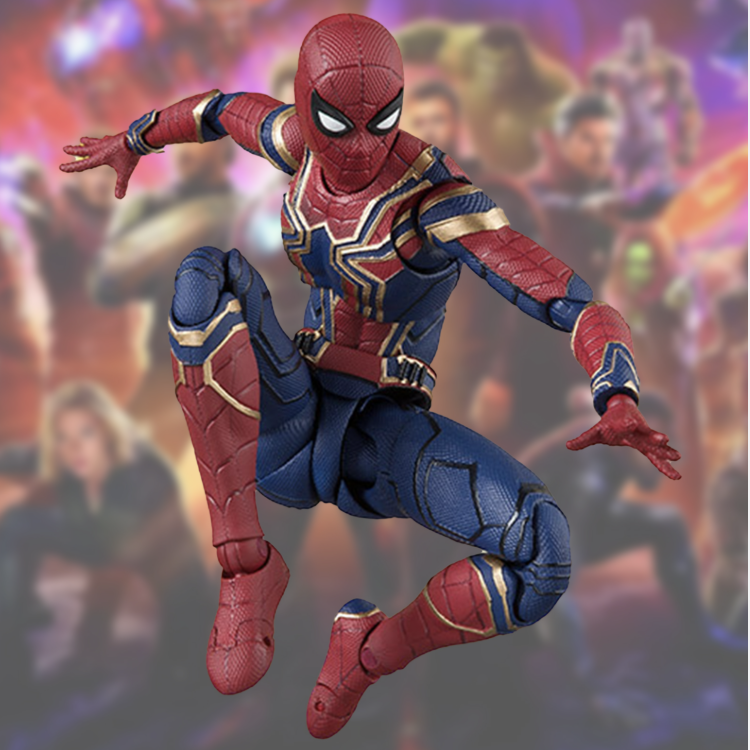
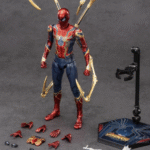
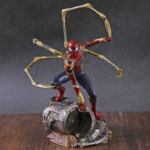
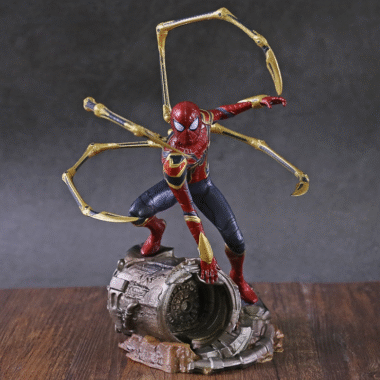
Spiderman Action Figure Custom Collectible Marvel Hero Icon
Unleash your inner hero with a custom Spiderman Action Figure, straight from the Marvel Universe. This legendary web-slinger, known for his agility, wit, and unwavering…
View Product →Acquiring a “Spiderman Action Figure Custom Collectible Marvel Hero Icon” transcends a simple retail transaction; it is an investment in artistry, material science, and personal aesthetic. Unlike mass-produced figures from established brands, custom collectibles introduce a layer of variability and nuance that first-time buyers frequently overlook. The term “custom” itself implies a departure from standardized quality control, potentially ranging from artisanal excellence to amateurish execution. Factors such as the specific grade of PVC, the precision of articulation engineering, the longevity of paint applications, and the customizer’s reputation become paramount. Hidden variables include the figure’s true scale compatibility with existing collections, its susceptibility to environmental degradation over time, and the actual availability of post-purchase support. Without a structured evaluative framework, consumers risk misinterpreting marketing claims, leading to dissatisfaction with a product that fails to meet unexamined expectations regarding durability, aesthetic fidelity, or long-term value.
The Critical Evaluation Framework
Performance Specifications That Actually Matter
For a Spiderman action figure, “performance” is primarily defined by its articulation, sculpt accuracy, and paint application quality. Articulation refers to the range, fluidity, and stability of movement across all joints. A high-performing Spiderman figure should exhibit a wide degree of poseability, allowing for dynamic, acrobatic stances characteristic of the character, without compromising structural integrity or balance. This requires well-engineered double-jointed knees and elbows, butterfly joints at the shoulders, and a multi-axis torso and neck articulation. The sculpt accuracy pertains to the fidelity of the figure’s proportions, costume details (such as the textured web pattern mentioned in the product background), and facial expressions (if interchangeable heads are included) relative to established comic book or cinematic renditions. Minor inaccuracies can significantly detract from the collectible’s appeal. Finally, paint application quality is critical; it encompasses precision, consistency, and durability. Sharp lines, uniform color saturation, and an absence of overspray or bleed are indicators of meticulous craftsmanship. The paint should also be flexible enough not to crack or chip during posing and resistant to fading or discoloration over time.
Build Quality and Material Science Considerations
The product background specifies “high-grade PVC,” which is a crucial detail requiring deeper scrutiny. PVC (Polyvinyl Chloride) is a widely used polymer in action figure manufacturing due to its versatility and cost-effectiveness. However, its quality varies significantly. “High-grade” PVC implies superior density, flexibility, and resistance to degradation compared to lower grades. This translates into joints that maintain their friction over time, limbs that resist warping, and a reduced likelihood of plasticizer migration, which can lead to stickiness or surface damage. The internal joint mechanisms are equally important; while external PVC may appear robust, internal pins and sockets made from inferior plastics can be prone to breakage under normal use. Inspection for mold lines, seam gaps, and flash (excess material from the molding process) provides direct evidence of manufacturing precision. For custom figures, the method of attachment for custom parts—whether glued, pegged, or magnetically secured—impacts both durability and the potential for future customization or repair. A truly high-quality figure will feel solid and substantial, with smooth, consistent surfaces and joints that operate without excessive stiffness or looseness.
Ecosystem Compatibility and Long-Term Post-Purchase Considerations
Given the “custom collectible” nature, “ecosystem compatibility” refers primarily to the figure’s integration within an existing collection and display environment. This encompasses its scale (e.g., 1:12, 1:10, 1:6) relative to other figures in a collector’s display, ensuring visual harmony. Stylistic compatibility is also vital; a highly stylized custom figure might clash with a collection primarily composed of realistic representations. Beyond scale and style, “ecosystem” can also refer to the availability of interchangeable parts, accessories, or display stands that complement the figure or are offered by the same customizer.
The concept of “long-term software support” for a physical action figure is a metaphorical one, best interpreted as post-purchase support, material longevity, and potential for value retention. For custom figures, this translates to the customizer’s reputation for customer service, warranty (if any), and the availability of replacement parts should an issue arise. The longevity of the materials themselves—how well the PVC and paint resist UV degradation, temperature fluctuations, and chemical interactions over years—is a critical, often overlooked aspect. Furthermore, the customizer’s track record and the figure’s limited production run can influence its long-term market value, distinguishing it from transient fads. A robust online community or dedicated fan base around a customizer’s work can also contribute to a form of “ecosystem support,” facilitating information exchange, custom accessory creation, and potential secondary market liquidity.
Dissecting the Budget Tiers
Entry-Level: What You Sacrifice and What You Gain
Entry-level custom Spiderman figures, typically priced at the lower end of the custom market spectrum (e.g., under $100-$150, depending on the customizer’s reputation), often represent a compromise between cost and quality. Buyers in this tier typically sacrifice some degree of articulation range, material consistency, and paint application precision. The PVC used might be less “high-grade,” potentially leading to softer joints that loosen over time, or a greater susceptibility to warping. Sculpt details might be less refined, with visible mold lines or less intricate web patterns. Paint applications may exhibit minor imperfections, such as slight overspray, uneven coats, or less durable finishes prone to chipping. Accessories might be minimal, and interchangeable parts are rare.
However, the gain for entry-level buyers is accessibility. These figures offer a more affordable entry point into the world of custom collectibles, allowing individuals to acquire a unique Spiderman rendition without a significant financial outlay. They can serve as display pieces for less demanding collectors or as a starting point for those looking to experiment with their own modifications. The custom nature still provides a sense of exclusivity compared to mass-produced alternatives, fulfilling the desire for a distinct item, albeit with a realistic understanding of its limitations in terms of high-fidelity craftsmanship and long-term durability.
Mid-Range: The Engineering Sweet Spot Explained
The mid-range tier for custom Spiderman figures (typically $150-$300) often represents the “engineering sweet spot,” where significant improvements in quality and features are achieved without entering the realm of diminishing returns found at the premium level. Figures in this category generally boast superior articulation systems, often incorporating complex joint designs that allow for exceptional poseability while maintaining structural integrity. The “high-grade PVC” claim begins to manifest more tangibly here, with better material consistency, less susceptibility to environmental factors, and joints that retain friction more effectively.
Sculpt accuracy is usually very high, with meticulous attention to character details, often including multiple interchangeable heads with varied expressions and a wider array of hand gestures and web effects. Paint applications are typically precise, with clean lines, consistent finishes, and enhanced durability. Customizers in this tier often have established reputations, providing a greater assurance of quality control and potentially offering limited post-purchase support. The balance between cost, aesthetic fidelity, and functional durability makes mid-range custom figures an attractive option for serious collectors seeking a high-quality, distinctive piece without the extreme investment of top-tier offerings.
Premium: When the Price Premium Is Justified by Data
Premium custom Spiderman figures, typically priced upwards of $300-$500 and beyond, justify their significant price premium through an uncompromising commitment to artistic excellence, cutting-edge material science, and unparalleled detail. The “high-grade PVC” in this tier refers to the absolute best available, often combined with other materials like die-cast metal for joints, fabric for costumes, or specialized resins for intricate accessories, to achieve maximum durability and realism. Articulation systems are engineered for hyper-poseability, often incorporating innovative designs that seamlessly hide joints while maintaining an extreme range of motion.
Sculpting at this level is often indistinguishable from professional maquettes, featuring hyper-realistic textures, intricate costume details, and often individually hand-painted elements. Paint applications are multi-layered, with subtle shading, weathering, and finishes that bring the character to life. The justification for the price comes from the labor-intensive, often hand-finished nature of these figures, the use of rare or proprietary materials, and the customizer’s established reputation for producing museum-quality collectibles. Data points justifying this premium include documented use of specific material blends, verifiable articulation designs, extensive accessory sets, and a proven track record of value retention or appreciation in the secondary market. These figures are often limited in production, adding to their exclusivity and long-term appeal for discerning collectors and investors.
Common Buyer Mistakes — and How to Avoid Them
Spiderman Action Figure Custom Collectible Marvel Hero Icon
Unleash your inner hero with a custom Spiderman Action Figure, straight from the Marvel Universe. This legendary web-slinger, known for his agility, wit, and unwavering…
View Product →Specification Traps That Look Good on Paper
One prevalent mistake buyers make is falling for “specification traps” that sound impressive but lack practical impact or are misleading. For instance, a listing might boast “over 30 points of articulation.” While a high number of articulation points is generally desirable for Spiderman, the quality and range of those points are more critical than the sheer quantity. Poorly engineered joints, even numerous ones, can be stiff, easily breakable, or offer limited movement in crucial areas, rendering the figure less poseable than one with fewer, but better-designed, joints. Similarly, claims of “premium paint application” without accompanying high-resolution photographs or video demonstrations of the actual finish can be deceptive. A buyer should scrutinize images for paint bleed, uneven coats, or excessive texture, rather than relying solely on descriptive adjectives. Another trap is the unspecified “high-grade PVC”; without details on the specific grade or the customizer’s material sourcing, this claim remains unsubstantiated. Buyers should seek out detailed visual evidence, independent reviews, or direct communication with the customizer to verify such claims, rather than accepting them at face value.
Marketing Language vs Measurable Performance Differences
Distinguishing between persuasive marketing language and verifiable performance differences is crucial. Terms like “ultimate,” “iconic,” or “meticulously crafted” are subjective descriptors designed to evoke emotion, not convey objective quality. A buyer should translate these terms into measurable attributes. For “meticulously crafted,” one should look for evidence of precise sculpt detailing (e.g., crisp web lines, sharp costume edges), absence of mold flash, and seamless joint integration. For “ultimate poseability,” evaluate the actual range of motion in demonstration videos, looking for deep knee bends, wide shoulder rotation, and natural torso articulation without unsightly gaps.
Instead of focusing on adjectives, concentrate on quantifiable or visually verifiable characteristics: the number and type of joints, the presence of specific accessories (e.g., multiple web effects, alternate heads), the scale of the figure, and the clarity of the paint application. Independent reviews, unboxing videos, and community forums often provide unbiased perspectives and visual evidence of a figure’s true performance, allowing buyers to move beyond marketing rhetoric and make decisions based on demonstrable quality and functionality. Always prioritize visual proof and empirical data over evocative but unsubstantiated claims.
The Decision Framework: Matching Product to Buyer Profile
Questions to Clarify Before Committing
Before committing to a purchase, a buyer should engage in a self-reflective process to clarify their specific needs and expectations.
1. What is my primary purpose for this figure? Is it for static display, dynamic posing, or as an investment? This impacts the priority given to articulation versus aesthetic perfection.
2. What is my budget ceiling? Realistically define how much you are willing to spend, understanding the quality tiers discussed previously.
3. What scale is my existing collection? Ensuring scale compatibility (e.g., 1:12, 1:10, 1:6) is paramount for cohesive display.
4. How important is character accuracy to me? Do you prefer a comic-accurate, cinematic, or a unique artistic interpretation of Spiderman?
5. What level of durability do I require? Will the figure be frequently handled, or will it remain mostly untouched in a display case? This influences the importance of robust joint engineering and paint longevity.
6. What is the customizer’s reputation? Investigate their track record, past projects, and customer feedback regarding quality and support.
7. What accessories are essential? Do you need multiple hands, web effects, or alternate heads to achieve your desired poses and display options?
Answering these questions objectively will help narrow down suitable options and prevent impulse purchases driven by superficial appeal.
Red Flags to Watch for in Product Listings
Vigilance is key when evaluating custom collectible listings, as certain indicators can signal potential issues.
1. Limited or Poor-Quality Photography: Listings with only a few blurry images, heavily edited photos, or images that appear to be renders rather than actual product shots are major red flags. Insist on clear, high-resolution photos from multiple angles, showcasing articulation, paint details, and any included accessories.
2. Vague Material Descriptions: As discussed, “high-grade PVC” without further context is ambiguous. A lack of specificity regarding materials, joint types, or paint finishes should raise suspicion.
3. Absence of Scale Information: If the listing does not explicitly state the figure’s scale or height, it’s difficult to assess compatibility with existing collections. This omission can lead to significant disappointment upon receipt.
4. No Information on the Customizer: Anonymity or a complete lack of background on the customizer’s previous work or reputation is concerning. Established customizers usually have portfolios, social media presence, or community recognition.
5. Exaggerated Claims Without Evidence: Over-the-top marketing language (“best ever,” “unparalleled detail”) without accompanying visual proof or technical specifications should be viewed skeptically.
6. Unrealistic Pricing: A custom figure priced significantly below market rates for similar quality can indicate shortcuts in materials, labor, or quality control. Conversely, an excessively high price without clear justification in materials, complexity, or customizer prestige also warrants scrutiny.
7. Lack of Return Policy or Warranty Information: For a custom item, a clear policy on defects or returns, even if limited, indicates a level of accountability. Its absence suggests potential issues.
Final Checklist Before Purchase
Before finalizing the purchase of your custom Spiderman action figure, conduct a systematic review:
- Verified Scale: Confirm the figure’s exact height and scale to ensure it fits your collection.
- Articulated Joint Review: Visually inspect (via photos or video) all major joints for range of motion, potential gaps, and stability.
- Paint Application Assessment: Scrutinize paint lines, color consistency, and finish quality across the entire figure.
- Material Quality Confirmation: Look for evidence of uniform texture, absence of mold flash, and overall perceived durability.
- Accessory Inventory: Confirm all advertised interchangeable parts (heads, hands, web effects) and display stands are included and pictured.
- Customizer Reputation Check: Research the customizer’s history, reviews from other buyers, and their communication responsiveness.
- Shipping and Packaging Details: Understand the shipping costs, estimated delivery time, and how the figure will be protected during transit.
- Return/Defect Policy: Clarify the customizer’s policy on damaged goods or manufacturing defects.
- Payment Security: Ensure the transaction is conducted through a secure payment platform.
- Final Budget Alignment: Reconfirm the total cost, including shipping and any potential taxes, aligns with your pre-established budget.
By meticulously adhering to this comprehensive framework, consumers can navigate the complexities of the custom collectible market and make a truly informed decision, securing a Spiderman action figure that meets their precise expectations for quality, aesthetics, and long-term satisfaction.