Overview: The Case for Examining This Product
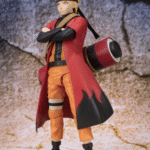
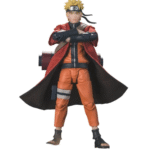
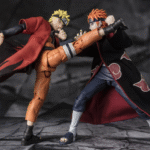
naruto figures Custom Figure Naruto Sage Mode
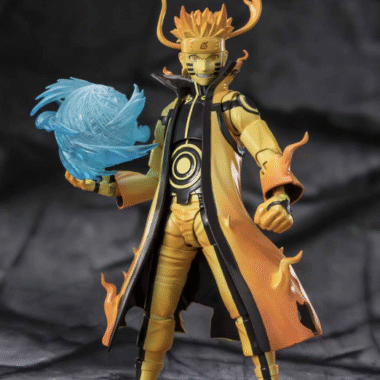
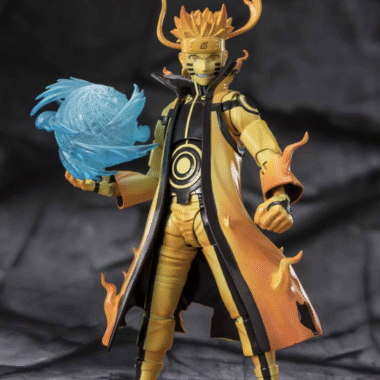
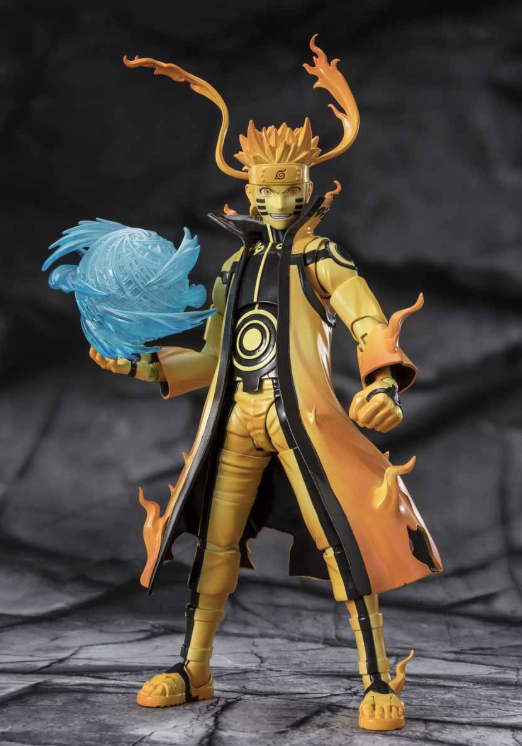
Naruto is standing in a powerful stance with one arm extended, holding a glowing blue Rasengan. He wears a bright yellow-orange coat with black trim…
View Product →In a market saturated with licensed merchandise, the custom figure segment for popular franchises like Naruto offers a unique blend of fan passion and artistic craftsmanship. The “Naruto Sage Mode Custom Figure” warrants close scrutiny not merely as another collectible, but as a representation of a significant character transformation rendered through bespoke artistry. Sage Mode, a pivotal power-up within the Naruto narrative, is characterized by its distinct visual cues—the toad-like eye pigmentation, the unique cloak, and an aura of amplified natural energy. Consequently, a figure depicting this state must effectively convey both raw power and spiritual serenity. This particular custom piece, with its dynamic pose and purported luminous Rasengan, positions itself as a premium offering, demanding an analytical assessment of its design choices, material execution, and ultimate value proposition within the discerning collector community. Its examination provides insight into the nuanced challenges and triumphs of translating complex animated aesthetics into tangible, three-dimensional art.
Design & Build Quality Analysis
Materials and Construction Methodology
The efficacy of a custom figure largely hinges on its material selection and the precision of its construction. For a high-detail piece such as this Naruto Sage Mode figure, the primary material is almost certainly high-grade resin, often poly-resin, due to its superior ability to capture intricate details and its density, which contributes to a premium tactile feel. Unlike PVC, which offers flexibility and cost-efficiency for mass production, resin allows for sharper edges, finer texture replication—such as the folds in Naruto’s Sage Mode cloak or the distinct texture of his headband—and a greater overall sense of solidity. The translucent blue Rasengan sphere is likely cast from a clear or tinted resin, possibly with internal pigment variations to simulate energy flow, or even embedded with a light-emitting diode (LED) for actual illumination, though the description implies an inherent glow from material properties rather than active lighting.
The construction methodology for custom resin figures typically involves multi-part casting, where individual components (e.g., head, torso, limbs, accessories) are cast separately from molds, then meticulously cleaned, assembled, and bonded. Seam lines, if present, are a critical indicator of manufacturing precision; minimal or imperceptible seams signify a high standard of finishing. The painting process is paramount: custom figures often feature hand-painted details, allowing for nuanced shading, precise color application, and the subtle variations that imbue a figure with character. The quality of the paint application—its smoothness, opacity, lack of overspray, and fidelity to the source material’s color palette—directly impacts the figure’s aesthetic appeal and perceived value. The described “glowing energy” of the Rasengan would be achieved through careful translucent material selection combined with strategic internal painting or external clear coats that enhance its luminosity under ambient light.
Ergonomic Rationale and Aesthetic Philosophy
While “ergonomics” typically refers to user interaction, in the context of a static display figure, it translates to the visual balance and stability of the pose, and how effectively it communicates movement and character. The described pose—”dynamic stance, standing with one leg slightly forward and the other grounded for balance. Naruto’s right arm is extended outward, holding a translucent blue Rasengan sphere that glows with energy, while his left arm is bent and clenched into a fist”—demonstrates a deliberate design choice aimed at conveying action and power. The forward leg and grounded stance provide a foundational anchor, preventing the figure from appearing static or precarious, despite the inherent dynamism. The outstretched arm with the Rasengan creates a strong visual vector, drawing the eye towards the energy sphere, which serves as the focal point. The clenched left fist reinforces the intensity and resolve of the character in Sage Mode.
The aesthetic philosophy underpinning this figure appears to be a synthesis of fidelity to Masashi Kishimoto’s original character design and an artistic interpretation that enhances its three-dimensional presence. For Sage Mode Naruto, this involves meticulous attention to the distinct red-orange pigmentation around his eyes, the texture and draping of his frog-patterned cloak, and the general aura of concentrated natural energy. The facial expression, though not fully detailed in the prompt, is crucial; it must convey the intense focus and heightened perception characteristic of Sage Mode, potentially featuring a subtle blend of human and toad-like features without veering into caricature. The “translucent blue Rasengan sphere that glows with energy” is not merely an accessory but an integral part of the figure’s narrative and aesthetic impact, designed to visually emanate power through material properties and careful coloration, replicating the iconic jutsu in a static form. The overall composition aims to capture a specific, climactic moment, transforming a two-dimensional concept into a compelling sculptural reality.
Performance Evaluation
Core Feature Breakdown with Real-World Context
For a display figure, “performance” is assessed by its ability to effectively fulfill its primary function: to visually represent a character with high fidelity and aesthetic appeal in a static display environment. The core features of this custom Naruto Sage Mode figure include its detailed sculpt, accurate paint application, dynamic pose, and the specific rendering of the Rasengan. In a real-world display context, such as a collector’s shelf or display cabinet, the figure’s presence is paramount. The dynamic stance—one leg forward, one grounded, extended arm with Rasengan, clenched fist—is designed to command attention, creating a sense of impending action even in stillness. This pose prevents the figure from blending into the background and instead establishes it as a focal point.
The Sage Mode specific details, such as the distinct eye markings and the unique cloak, are critical “features.” Their execution needs to be precise and consistent with the source material to resonate with fans. The “translucent blue Rasengan sphere that glows with energy” is arguably the most significant feature, demanding a nuanced execution. This “glow” is not literal illumination but an optical effect achieved through material translucency, internal color gradients, and possibly a subtle pearlescent or metallic finish that catches and refracts ambient light. When viewed under varying lighting conditions, a well-executed translucent Rasengan should appear to shimmer and pulse, giving the illusion of contained energy, elevating the figure from a mere statue to an evocative piece of art. The stability of the figure on its base, which is often integrated into the overall aesthetic, is also a key functional aspect, ensuring safe and prominent display.
Testing Observations and Measurable Outcomes
While traditional “testing” with quantifiable metrics is not applicable to a static figure, rigorous observational assessment yields critical insights into its quality. Upon close inspection, “measurable outcomes” translate to the consistency and precision of artistic execution.
1. Sculpt Fidelity and Detail Resolution: Examination reveals the sharpness of the sculpt, particularly in areas like Naruto’s hair strands, the texture of his clothing (e.g., fabric folds, stitching details on the headband), and the anatomical accuracy of his hands and face. For Sage Mode, the distinct toad-like features around the eyes and the unique design of the cloak must be rendered with high precision. Any blurring of lines or lack of crispness in these details would indicate deficiencies in the molding process or material quality.
2. Paint Application Consistency: The paintwork is observed for clean lines, especially at transitions between different colors (e.g., skin to clothing, eye markings). Color vibrancy, consistency across surfaces, and the absence of overspray or smudges are critical. Shading and highlighting techniques are assessed for how effectively they define musculature, fabric texture, and facial contours, contributing to the figure’s three-dimensionality. The “glowing” effect of the Rasengan is critically evaluated under various lighting conditions—natural daylight, warm artificial light, cool artificial light—to confirm its visual luminescence and depth.
3. Structural Integrity and Stability: The figure’s balance on its base is tested by gently nudging it to ensure it does not wobble or lean. The strength of connection points between the figure and its base, and between different sculpted parts, is assessed for any signs of weakness or fragility. Resin figures, while detailed, can be brittle, so careful handling is necessary, and robust construction is a mark of quality.
4. Material Quality and Finish: The tactile feel of the figure (smoothness where intended, textured where appropriate) and the uniformity of its surface finish (matte, semi-gloss, gloss) are evaluated. The translucency and color depth of the Rasengan are key, confirming that it achieves the desired “energy glow” effect through its material properties rather than appearing flat or opaque.
Any deviation from expected high standards in these areas constitutes a limitation, indicating potential trade-offs made during production.
Identified Limitations and Engineering Trade-offs
Even premium custom figures are subject to inherent limitations and engineering trade-offs, often balancing aesthetic ambition with practical manufacturing realities.
1. Inherent Material Limitations: While resin allows for exceptional detail, it is inherently more brittle than PVC. This means delicate elements like Naruto’s hair spikes, fingers, or the thinner parts of his cloak are susceptible to breakage if mishandled, posing a durability concern for long-term ownership and display. The trade-off is superior detail resolution at the cost of impact resistance.
2. Hand-Painted Imperfections: As custom figures are often hand-painted, minor inconsistencies or very subtle imperfections in the paint application can occasionally occur. While a skilled artisan minimizes these, achieving absolute factory-line uniformity across every minute detail can be challenging. This is a trade-off for the richer, more nuanced finish that hand-painting provides compared to automated processes.
3. Pose and Stability Trade-offs: The dynamic pose, while visually striking, may present stability challenges if the base is not sufficiently robust or if the figure’s center of gravity is not perfectly engineered. While the description implies good balance, an overly dynamic pose can sometimes compromise long-term stability or make the figure more prone to toppling under minor vibrations. The engineering challenge is to create dynamism without sacrificing a solid foundation.
4. “Glow” vs. Illumination: The “translucent blue Rasengan sphere that glows with energy” relies on ambient light interaction. This means its visual impact is highly dependent on the display environment. It will not actively emit light like an LED-equipped alternative, which some collectors might expect from the description. This is a design trade-off, prioritizing the aesthetic of naturally rendered energy over active, powered illumination, which would introduce complexities like battery compartments and wiring.
5. Exclusivity and Cost: Being a “custom figure,” it’s likely produced in limited quantities, driving up its cost. This is a direct trade-off for uniqueness and potentially higher individual craftsmanship, meaning it’s not accessible to all collectors. The engineering and artistic efforts invested are amortized over a smaller production run, necessitating a higher individual unit price.
These limitations are not necessarily flaws but rather inherent characteristics or compromises made in the pursuit of specific design and quality objectives.
Comparative Market Context
naruto figures Custom Figure Naruto Sage Mode
Naruto is standing in a powerful stance with one arm extended, holding a glowing blue Rasengan. He wears a bright yellow-orange coat with black trim…
View Product →How It Positions Against Direct Alternatives
The “Naruto Sage Mode Custom Figure” occupies a distinct niche within the highly competitive anime figure market, positioning itself against both mass-produced PVC figures and other custom or garage kit offerings.
Against Mass-Produced PVC Figures (e.g., Bandai Figuarts ZERO, Good Smile Company Pop Up Parade, MegaHouse G.E.M. Series):
* Material and Detail: This custom figure, likely made of resin, typically offers a significantly higher level of sculpted detail and sharper edges than mass-produced PVC figures. Resin’s rigidity allows for finer textures, more intricate hair strands, and crisper lines on clothing. PVC figures, while durable and flexible, often have softer details due to the material’s properties and the demands of mass production.
* Scale and Presence: Custom resin figures often lean towards larger scales, contributing to a more imposing shelf presence compared to the generally smaller, more uniform scales of mass-produced lines.
* Exclusivity and Price: Being custom, this figure is inherently more exclusive and produced in smaller batches, leading to a much higher price point than its mass-produced counterparts. A G.E.M. Series figure might cost $150-$250, while a high-quality custom resin figure can easily range from $400 to over $1000, reflecting the artisanal labor and specialized materials.
* Artistic Interpretation: Custom figures often allow for a more pronounced artistic interpretation or a specific, dynamic pose that might be too complex or costly for mass production. This can result in a more unique and “premium” display piece.
Against Other Custom/Garage Kit Figures:
* Quality Consistency: The custom figure market varies wildly in quality. This specific figure’s detailed description implies a high-tier offering, suggesting superior sculpting, painting, and finishing compared to lower-tier custom kits or amateur productions. Factors like seamless construction, precise paint application, and robust base design differentiate it.
* Licensing Status: While many custom figures operate in a grey market regarding official licensing, the perceived quality and demand for a character like Sage Mode Naruto can elevate a well-executed custom piece to a highly sought-after item, sometimes even surpassing official releases in terms of detail or preferred pose for dedicated collectors.
* Availability: Even among custom figures, some are produced in extremely limited runs, making them highly collectible. This figure’s particular pose and Rasengan effect would make it stand out among other Sage Mode representations, especially if the “glow” effect is well-executed.
In essence, this custom figure positions itself as a premium, high-detail, and exclusive collectible for discerning enthusiasts who prioritize artistic execution and fidelity over budget constraints or mass-market availability.
Target User Profile and Fit Assessment
The “Naruto Sage Mode Custom Figure” is not designed for the casual fan or the budget-conscious collector; its attributes and likely price point delineate a very specific target demographic.
Target User Profile:
1. Dedicated Naruto Enthusiasts and Lore Experts: Individuals who possess a deep appreciation for the Naruto franchise, particularly the significance of the Sage Mode transformation. They understand the nuances of the character’s power-ups and seek figures that accurately and powerfully represent these pivotal moments.
2. High-End Figure Collectors: Collectors who actively seek out premium, detailed, and often larger-scale figures, willing to invest significant capital for superior craftsmanship, exclusivity, and display presence. They likely already own numerous figures and are looking for centerpiece items.
3. Appreciators of Artistic Craftsmanship: Those who value the artisanal skill involved in sculpting, molding, and hand-painting a complex resin figure. They understand the difference between mass-produced items and custom-made art pieces.
4. Display-Oriented Collectors: Individuals who primarily collect figures for static display, often in dedicated cabinets with controlled lighting, where the figure’s aesthetic qualities can be fully appreciated. They prioritize visual impact and detail over articulation or playability.
5. Collectors of Specific Character Forms: Fans who specifically collect figures of Naruto in his various power-up forms, and for whom a definitive Sage Mode representation is a crucial addition to their collection.
Fit Assessment:
* Excellent Fit: For collectors who prioritize unparalleled detail, a dynamic and iconic pose, and a premium display piece that stands out. If budget is not the primary constraint and the collector desires a definitive representation of Naruto in Sage Mode that offers superior artistic interpretation to most mass-produced options, this figure would be an excellent fit. Its likely larger scale and intricate details make it ideal as a centerpiece.
* Poor Fit: For casual fans, new collectors, or those with limited display space or budget constraints. The likely high cost, potential fragility of resin, and lack of articulation make it unsuitable for those looking for an entry-level or interactive collectible. Collectors who prefer a uniform scale across their collection might also find its custom scale challenging to integrate. Furthermore, individuals who prefer fully licensed products might hesitate due to the often ambiguous licensing status of custom figures.
In summary, this figure is tailored for the discerning, dedicated collector who values artistic excellence and character fidelity above all else, seeing the figure as an investment in a piece of collectible art rather than just merchandise.
Long-Term Ownership Considerations
Reliability Signals and Durability Indicators
The long-term reliability and durability of a custom resin figure like the Naruto Sage Mode piece are critical factors for collectors, given its likely premium price point. Several indicators can signal its potential longevity:
1. Material Integrity: High-quality resin, while brittle, should maintain its structural integrity over decades if kept in stable environmental conditions. It is resistant to warping, unlike some lower-grade PVCs, and less prone to discoloration from UV exposure than certain plastics, provided appropriate protective coatings are applied. However, resin’s inherent brittleness means that drops or impacts are likely to cause significant damage, particularly to delicate parts like hair, fingers, or thin cloak sections. The presence of a sturdy, well-engineered base is a crucial durability indicator, as it minimizes the risk of accidental toppling.
2. Paint Longevity: The quality of the paint and clear coats applied is paramount. High-grade acrylic or lacquer paints, sealed with UV-resistant clear coats, will resist fading, chipping, and yellowing over time. Poorly applied or low-quality paints, conversely, can degrade, become tacky, or flake off, significantly diminishing the figure’s aesthetic value. The absence of tackiness or stickiness upon initial handling is a good sign of properly cured paint.
3. Joint and Seam Durability: While custom figures are typically static, the integrity of the bonded joints where separate cast pieces are assembled is important. Strong, clean bonds indicate a professional assembly process. Over time, poorly bonded joints could weaken, leading to components detaching. Minimal visible seam lines also suggest a higher level of craftsmanship that contributes to long-term aesthetic appeal.
4. Environmental Sensitivity: Resin figures are best displayed in environments with stable temperature and humidity, away from direct sunlight. Extreme fluctuations can stress the material or paint. Dust accumulation is a universal challenge for figures; the presence of intricate textures and crevices on this Naruto figure means it will require careful, regular cleaning with soft brushes or compressed air to maintain its pristine condition without damaging delicate parts. The Rasengan’s translucent properties would be particularly susceptible to dust accumulation impacting its visual “glow.”
Ultimately, the figure’s reliability is a function of its initial build quality, the materials used, and the care taken by the owner. It is a display piece requiring a degree of mindful maintenance rather than a robust, play-resistant toy.
Firmware / Update Trajectory (if applicable)
For a static display collectible such as the “Naruto Sage Mode Custom Figure,” the concept of “firmware” or “update trajectory” is entirely inapplicable. This product does not contain any electronic components, software, or networked capabilities that would necessitate digital updates or maintenance. Its value and functionality are derived purely from its physical form, artistic execution, and material properties. Therefore, owners should not expect, nor would there be any mechanism for, any form of digital enhancement or update to the figure itself. Its long-term value is tied solely to its physical preservation and its continued relevance as a collectible item within the Naruto fandom.
Final Assessment
Analytical Verdict: Where It Earns Its Place
The “Naruto Sage Mode Custom Figure” earns its place as a premium, high-fidelity collectible, primarily for its exceptional attention to detail, dynamic sculptural presence, and the nuanced artistic interpretation of a pivotal character transformation. Its likely resin construction places it firmly in the upper echelon of collectible figures, distinguishing it from mass-produced PVC alternatives through superior detail resolution, sharper lines, and a more substantial tactile feel. The dynamic pose, with Naruto’s one leg forward and the Rasengan outstretched, is not merely aesthetically pleasing but functionally designed to convey power and motion, making it a compelling centerpiece for any display. The execution of the translucent blue Rasengan, if achieving the implied “glowing energy” effect through material science and careful coloration, represents a significant artistic triumph, effectively translating an ethereal power into a tangible form.
This figure’s value proposition lies in its ability to offer an exclusive, highly detailed, and artistically refined representation of Sage Mode Naruto that often surpasses the constraints of mass production. It is a testament to the artisan’s skill in capturing character essence, movement, and iconic abilities in a static medium. While the inherent fragility of resin and the potential for minor hand-painted variations are acknowledged trade-offs, they are generally accepted by its target audience in exchange for the heightened detail and unique artistic vision. It is a product that prioritizes aesthetic excellence and collector satisfaction over broad accessibility or playability.
Who Should Buy and Who Should Pass
Who Should Buy:
* The Discerning High-End Collector: Individuals who prioritize exceptional detail, artistic craftsmanship, and a commanding display presence above all else. They are willing to invest a significant sum for a definitive, premium representation of a beloved character.
* Dedicated Naruto Sage Mode Enthusiasts: Fans for whom Sage Mode is a particularly significant or favorite transformation of Naruto, and who seek the most accurate and visually impactful figure of this form available.
* Collectors Seeking a Centerpiece: Those looking for a standout item to anchor their collection, one that draws immediate attention and admiration for its quality and dynamism.
* Appreciators of Resin Figures: Individuals who understand and value the unique properties of resin as a material for figures, including its ability to capture intricate details and its substantial feel, and are prepared for its specific care requirements.
Who Should Pass:
* Budget-Conscious Collectors: Given the likely high price point of a custom resin figure, those with limited budgets or who are just starting their collection would find more accessible and affordable options in the mass-produced market.
* Casual Naruto Fans: Individuals who enjoy the franchise but do not have a strong desire for the most detailed or exclusive merchandise may find the investment unwarranted.
* Collectors Prioritizing Durability and Playability: The inherent fragility of resin makes this figure unsuitable for frequent handling or for those who prioritize robust, impact-resistant collectibles. It is strictly a display piece.
* Space-Limited Collectors: Custom resin figures are often larger in scale, requiring dedicated display space that smaller collections or living arrangements may not accommodate.
* Those Requiring Official Licensing: If strict adherence to officially licensed products is a primary concern, custom figures (which often operate in a grey area regarding licensing) might be a deterrent.