Why This Purchase Decision Is More Complex Than It Appears
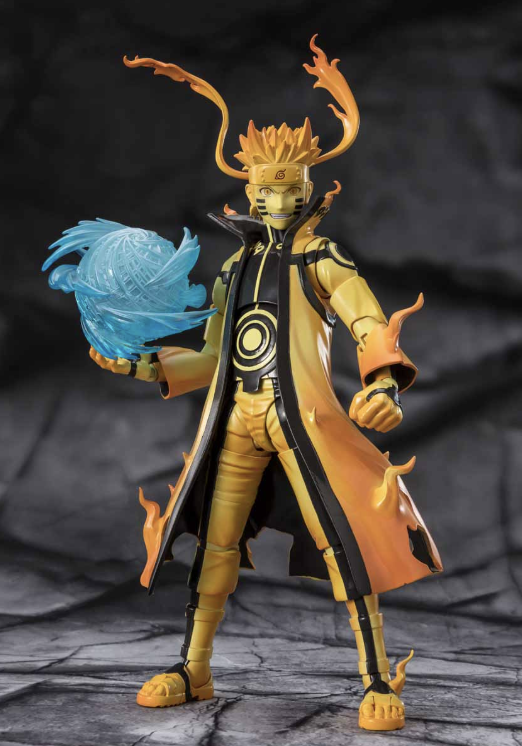
naruto figures Custom collectible Naruto Rasengan-wielding Dynamic Pos
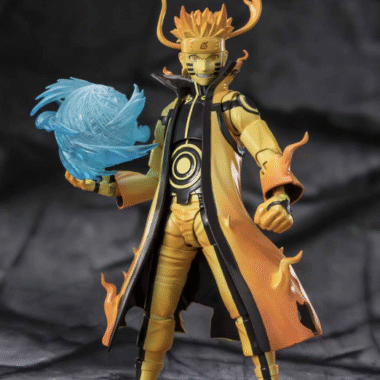
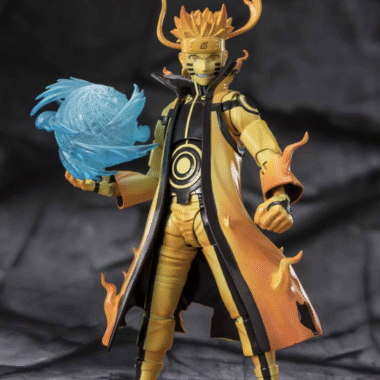
This Naruto figure is captured in a dynamic, standing pose, ready for action. He expertly wields a translucent blue, swirling energy sphere, clearly a Rasengan,…
View Product →At first glance, acquiring a collectible figure like the “Naruto Rasengan-wielding Dynamic Pos” might seem straightforward: you see it, you like it, you buy it. However, for a fully informed decision, especially concerning a niche collectible, several nuances and hidden variables often escape the notice of first-time buyers. The perceived value of such a figure extends far beyond its initial aesthetic appeal. Factors such as the precise fidelity of the sculpt to the source material, the quality of the paint application, the durability of the materials under various display conditions, and its long-term integration into an existing collection are critical. Overlooking these aspects can lead to buyer’s remorse, whether due to unexpected fragility, inaccurate detailing upon arrival, or a poor fit with other beloved display pieces. Understanding these underlying complexities is paramount to ensuring satisfaction and maximizing the enduring enjoyment of your investment.
The Critical Evaluation Framework
Performance Specifications That Actually Matter
For a collectible figure, “performance specifications” diverge significantly from typical electronic gadgets. Here, performance refers to the figure’s ability to accurately and effectively represent its subject matter and maintain its aesthetic integrity over time. The primary specification is Sculpt Accuracy and Detail Fidelity. This involves scrutinizing how closely the figure’s face, body proportions, and costume details match Naruto Uzumaki’s appearance in the source material, particularly in the specified “dynamic, ready-for-action stance” with the “swirling, translucent blue energy sphere, clearly recognizable as a Rasengan.” A high-performing figure will capture not just the physical likeness but also the character’s spirit and energy through meticulous sculpting of muscle tension, fabric folds, and facial expression.
Secondly, Paint Application Precision and Finish Quality are paramount. This includes the sharpness of demarcation lines between colors, the evenness of gradients (especially on the Rasengan), the absence of overspray or bleed, and the appropriate sheen or matte finish on different surfaces (e.g., skin, clothing, energy effect). A figure with poor paint application, even if the sculpt is excellent, will significantly detract from its visual impact. The translucency and effect of the Rasengan are particularly sensitive areas; a cheap or poorly executed effect can ruin the centerpiece of the pose.
Finally, Structural Stability and Balance are crucial for a figure in a “dynamic pose.” The figure must stand securely without leaning or requiring external support, and its components, especially the extended arm holding the Rasengan, should not show signs of warping or stress over time. The base, if included, must contribute to this stability without overpowering the figure itself. These “specifications” directly dictate the figure’s visual quality and longevity on display.
Build Quality and Material Science Considerations
The longevity and aesthetic retention of a collectible figure are fundamentally tied to its build quality and the materials used. The most common materials are PVC (Polyvinyl Chloride), ABS (Acrylonitrile Butadiene Styrene), and various resins. PVC is flexible, durable, and cost-effective, making it ideal for mass-produced figures, especially for intricate details and dynamic poses that might otherwise be brittle. However, lower-grade PVC can yellow or become brittle with prolonged UV exposure or extreme temperature fluctuations. ABS is harder and more rigid, often used for bases, internal structures, or accessories requiring greater structural integrity.
Resin (typically polystone or polyurethane resin) is often found in higher-end or “custom” figures and statues. It allows for incredibly sharp details and a weighty, premium feel, but it is also much more brittle than PVC, making figures susceptible to breakage from drops or impacts. The “Custom collectible” aspect of this Naruto figure might imply resin, which demands careful handling.
Beyond the primary materials, the quality of the adhesive used to join parts and the durability of the paint itself are critical. Poor adhesives can lead to parts detaching, while low-quality paint can chip, fade, or become sticky over time. For a figure with a translucent effect like the Rasengan, the clarity and color stability of the translucent plastic or resin are vital. Buyers should research the manufacturer’s reputation for material selection and quality control. Seam lines from molding should be minimal and expertly hidden, indicating a higher level of craftsmanship.
Ecosystem Compatibility and Long-Term Software Support
While the concept of “software support” is irrelevant for a static collectible figure, this heading can be reinterpreted to address crucial long-term considerations related to the figure’s integration into a collection and its enduring value.
Ecosystem Compatibility for a figure refers to its seamless integration into an existing display environment or collection. This primarily involves Scale Consistency. Most collectible figures adhere to standard scales (e.g., 1/8, 1/7, 1/6). A Naruto figure at 1/7 scale, for instance, will look out of place if displayed alongside predominantly 1/10 scale figures, disrupting the visual harmony of a collection. Buyers must verify the listed scale and, if possible, compare its actual dimensions to other figures they own. Secondly, Stylistic Coherence is important. Does the figure’s artistic interpretation (e.g., anime-accurate, semi-realistic, stylized) match the aesthetic of your existing collection? A hyper-detailed, realistic Naruto might clash with a collection of minimalist, chibi-style figures. Finally, Display Space Compatibility must be considered. The “dynamic, ready-for-action stance” with the “raised and bent… powerfully holding a swirling… Rasengan” suggests a potentially wide or deep footprint. Ensure you have adequate shelf space and clearance for its full dimensions, including any potential base or effect parts.
Long-Term Value Retention and Display Longevity serves as the functional equivalent of “long-term support.” This includes:
* Material Degradation Resistance: How well will the figure’s materials (PVC, ABS, resin) and paint applications resist environmental factors like UV light, dust, humidity, and temperature fluctuations over many years? Fading colors, yellowing plastics, or brittle joints can significantly diminish a figure’s appeal and value. Manufacturers with established reputations for using UV-resistant paints and stable plastics offer better long-term prospects.
* Structural Integrity Over Time: Will the dynamic pose, especially the extended arm holding the Rasengan, maintain its rigidity and original form without sagging, warping, or developing stress fractures due to gravity or material fatigue? Figures with internal metal armatures or robust peg systems tend to fare better.
* Collectibility and Resale Potential: While speculative, factors such as the manufacturer’s reputation, the figure’s rarity (e.g., limited edition, exclusive releases), the enduring popularity of the Naruto franchise, and the character’s iconic status (Rasengan being a signature move) can influence its potential to retain or even increase value over time. Official licensing also plays a role in perceived legitimacy and market value compared to unofficial “custom” reproductions.
* Ease of Maintenance: How simple is it to dust, clean, and generally care for the figure without damaging delicate parts or paint? Figures with complex textures or many small crevices can be challenging to keep pristine.
These considerations, while not “software support,” are critical for ensuring the figure remains a cherished part of your collection for years to come and potentially holds its value.
Dissecting the Budget Tiers
The market for collectible figures, particularly popular anime characters like Naruto, segments into distinct budget tiers, each offering a different balance of quality, detail, and material science. Understanding these tiers is crucial for setting realistic expectations and aligning your purchase with your financial comfort and collecting goals.
Entry-Level: What You Sacrifice and What You Gain
Entry-level figures, typically ranging from $20 to $60, are often characterized by mass production, simpler sculpts, and a greater reliance on basic PVC or ABS plastics. What you gain is accessibility. These figures are widely available, making them easy to acquire for casual fans or those just starting their collection. They offer a tangible representation of the character without a significant financial commitment.
However, significant sacrifices are often made in detail fidelity and paint application. Expect less intricate sculpting, potentially softer facial features, and noticeable seam lines. Paintwork might be flatter, with fewer gradients, more visible brush strokes, and a higher chance of minor imperfections like overspray or color bleed. The translucent Rasengan effect might be less dynamic, appearing as a solid blue plastic rather than a swirling energy sphere. Material quality might be standard, offering basic durability but potentially lacking long-term resistance to environmental factors like UV light, leading to premature fading or yellowing. While they offer a quick fix for a fan’s desire, they may not satisfy a discerning collector seeking high-quality display pieces.
Mid-Range: The Engineering Sweet Spot Explained
The mid-range, generally priced from $70 to $200, represents what many consider the “engineering sweet spot” for collectible figures. In this tier, manufacturers strive to deliver a compelling balance of quality, detail, and affordability. What you gain here is significantly improved sculpt accuracy, paint precision, and overall finish. Facial expressions are typically sharper and more nuanced, capturing the character’s personality more effectively. Paint applications feature finer details, subtle shading, and cleaner lines, bringing out the depth of the sculpt. The Rasengan effect is likely to be a more convincing translucent plastic with sculpted swirls, perhaps even with gradient painting to enhance the energy look.
Materials are generally of higher grade PVC and ABS, offering better durability and a more premium feel. Articulation (if applicable, though less so for a fixed-pose figure) is robust, and fixed poses like this Naruto figure exhibit greater stability. Manufacturers in this range often possess strong reputations for quality control, meaning fewer defects. While not as opulent as premium statues, mid-range figures offer excellent value for money, providing a high-quality display piece that can stand proudly in most collections without breaking the bank. The engineering focuses on optimizing manufacturing processes to achieve high detail at a reasonable cost, making it the most popular tier for many collectors.
Premium: When the Price Premium Is Justified by Data
Premium figures and statues, often starting from $250 and escalating into the thousands, justify their higher price points through uncompromising quality, exquisite detail, and often, limited production. These are typically crafted from high-grade resin (polystone), which allows for unparalleled sharpness in sculpting, minute texture details, and a substantial, heavy feel. Paint application is masterful, often hand-painted with complex layering, subtle weathering, and advanced techniques to achieve hyper-realistic or perfectly anime-accurate finishes. The translucent Rasengan in this tier would likely be a multi-layered resin effect, perhaps with internal lighting or a highly sophisticated paint scheme to simulate glowing energy.
The price premium is justified by several factors:
* Superior Materials: Resin offers greater fidelity but is more expensive to produce and work with.
* Intricate Hand-Craftsmanship: A significant portion of the cost goes into highly skilled labor for sculpting, painting, and assembly.
* Low Production Runs: Many premium pieces are limited editions, increasing their exclusivity and potential long-term value.
* Larger Scale and More Complex Bases/Dioramas: Premium figures often come in larger scales (e.g., 1/4, 1/3) and include elaborate, highly detailed bases that form a diorama, enhancing the overall presentation.
* Brand Reputation and Licensing: High-end brands often secure exclusive, high-quality licenses and pour resources into ensuring perfect character representation.
For the discerning collector who prioritizes absolute fidelity, artistic mastery, and a true statement piece, the data supports the investment in a premium figure. The “justification by data” comes from the verifiable improvements in material quality, artistic execution, and often, the proven track record of value retention or appreciation for such limited, high-quality collectibles.
Common Buyer Mistakes — and How to Avoid Them
naruto figures Custom collectible Naruto Rasengan-wielding Dynamic Pos
This Naruto figure is captured in a dynamic, standing pose, ready for action. He expertly wields a translucent blue, swirling energy sphere, clearly a Rasengan,…
View Product →Navigating the collectible figure market can be fraught with pitfalls, especially for those new to the hobby. Awareness of common mistakes can significantly improve your purchasing experience and safeguard your investment.
Specification Traps That Look Good on Paper
One of the most insidious traps for figure collectors is relying solely on published specifications or prototype images without critical scrutiny. A “dynamic pose” sounds impressive, but without seeing the actual production piece, it’s impossible to gauge its execution. Prototype images are notoriously misleading. These are often hand-painted, perfectly sculpted models presented under ideal lighting conditions. The final production version, especially in lower budget tiers, can feature simplified paintwork, softer details, and minor alterations to the sculpt.
To avoid this trap:
* Seek out production photos and unboxing videos: Always look for images and videos of the actual product, not just the promotional renders. Collector forums, YouTube reviews, and independent retailers often provide these.
* Verify the scale: While a figure might be listed as 1/7 scale, actual measurements can sometimes vary slightly, leading to unexpected size differences when displayed with other figures. Check reviews for actual height measurements if possible.
* “Custom collectible” ambiguity: The term “custom collectible” in the product name can be a trap. Does it mean a mass-produced figure with a unique, custom-designed pose, or an actual one-off custom piece from a private artist? The latter implies unique quality control challenges and potentially no official licensing, which can affect resale value and authenticity. Clarify this ambiguity before purchase. If it’s truly a private custom, expect variations and limited support. If it’s a mass-produced item marketed with “custom” in its name, scrutinize it as you would any other figure.
Marketing Language vs Measurable Performance Differences
Marketing departments excel at using evocative language to create desire, but it’s crucial to distinguish between persuasive rhetoric and verifiable attributes. Terms like “expertly posed,” “powerful,” or “dynamic” are subjective and tell you little about the actual quality. Every manufacturer will claim their figure is “expertly posed.”
To cut through the marketing jargon:
* Focus on visual evidence: Instead of relying on adjectives, look at high-resolution images and videos. Can you see the “expert” posing? Are the lines clean? Is the Rasengan actually swirling and translucent, or is it a solid blue blob? Measure the “dynamic” quality by assessing the figure’s implied motion and energy, not just the description.
* Compare across brands and tiers: Evaluate how the figure’s “dynamic pose” compares to similar figures from different manufacturers or price points. A “powerful” pose in an entry-level figure might be mundane compared to a mid-range counterpart.
* Identify specific features: Instead of “superior paint,” look for evidence of specific techniques like shading, gradients, metallic finishes, or clear coat applications. For the Rasengan, does it have discernible texture, light refraction, or color variations that genuinely convey energy?
* Material claims: If a figure claims “premium materials,” investigate what those materials actually are. Is it high-grade PVC, or is it a more brittle, expensive resin? The term “premium” itself offers no measurable benefit without further specification.
By adopting a critical, evidence-based approach to product descriptions, buyers can avoid being swayed by marketing fluff and make decisions based on concrete, observable qualities.
The Decision Framework: Matching Product to Buyer Profile
Making an informed decision about a collectible figure requires more than just evaluating the product; it involves understanding your own preferences, budget, and collecting goals. This framework guides you through a structured decision-making process.
Questions to Clarify Before Committing
Before clicking “purchase,” take a moment to reflect on these clarifying questions:
- What is my primary motivation for this purchase? Am I a casual fan looking for a memento, a dedicated collector seeking a centerpiece, or an investor hoping for future value appreciation? Your motivation will dictate the acceptable compromises in quality and price.
- Does this figure fit my existing collection’s aesthetic and scale? Will its “dynamic pose” and stylistic interpretation complement or clash with my other display pieces? Have I verified its actual dimensions against my available display space?
- What is my realistic budget range, and what level of quality do I expect within that range? Am I prepared to pay a premium for resin and intricate hand-painting, or am I comfortable with the trade-offs of a more affordable PVC figure?
- How important is absolute authenticity and official licensing to me? Given the “Custom collectible” designation, am I comfortable if this is an officially licensed product with a unique pose, or potentially an unlicensed “custom” piece with its associated risks regarding quality control and intellectual property?
- Have I thoroughly researched the manufacturer’s reputation? Do they have a consistent track record of delivering quality products that match their promotional images, particularly for figures in this price tier?
- What are the return policies and warranty (if any) for this specific retailer/seller? Collectibles can arrive damaged; knowing your recourse is crucial.
Red Flags to Watch for in Product Listings
Vigilance is key when examining product listings. Certain indicators should prompt further investigation or even caution:
- Lack of Production Photos: If a listing only features highly rendered prototype images and no actual photos of the final product, especially from multiple angles, this is a major red flag. It prevents you from assessing real-world quality.
- Vague Material Descriptions: Descriptions like “high-quality plastic” or “premium materials” without specifying PVC, ABS, or resin are evasive. Understand what you’re buying.
- Unrealistic Pricing: A figure described as highly detailed, large-scale, and made from resin at an entry-level PVC price point is almost certainly a counterfeit or of significantly inferior quality. If it seems too good to be true, it likely is.
- Generic or Poorly Translated Descriptions: This can indicate a third-party seller with little knowledge of the product or potentially a bootleg. Official products usually have professional, detailed descriptions.
- Seller Reputation: Always check seller reviews and ratings. A low rating, numerous complaints about misrepresented items, or poor customer service are clear warnings.
- “Custom” without clarification: If the term “Custom collectible” isn’t further explained by the seller (e.g., “custom pose designed by X studio, mass-produced under official license” vs. “one-off custom creation”), proceed with extreme caution, as quality control and authenticity can be highly variable for true custom pieces.
Final Checklist Before Purchase
Before finalizing your order, run through this comprehensive checklist:
- Visual Confirmation: I have seen actual production photos/videos of the figure, not just prototypes, and I am satisfied with its appearance.
- Scale & Dimensions: I have confirmed the figure’s scale and its actual dimensions, and it will fit my display space and collection.
- Material Clarity: I understand what materials the figure is made from (e.g., PVC, resin) and am comfortable with their properties and durability.
- Reputation Check: I have researched the manufacturer’s and seller’s reputations and found them to be reliable.
- Price Justification: I understand why the figure is priced at its current tier (entry, mid, premium) and believe the quality aligns with the cost.
- Authenticity: I am confident in the figure’s authenticity (officially licensed, if that’s a priority) or understand the implications if it’s an unlicensed custom.
- Shipping & Returns: I have reviewed the shipping costs, estimated delivery time, and the seller’s return/refund policy in case of defects or damage.
- Budget Adherence: The purchase falls comfortably within my allocated budget, and I have accounted for potential import duties or taxes if applicable.
By systematically addressing each point in this guide, consumers can transform a potentially complex and uncertain purchase into a fully informed and satisfying acquisition, ensuring the “Naruto Rasengan-wielding Dynamic Pos” figure becomes a valued addition to their collection.