Why This Purchase Decision Is More Complex Than It Appears
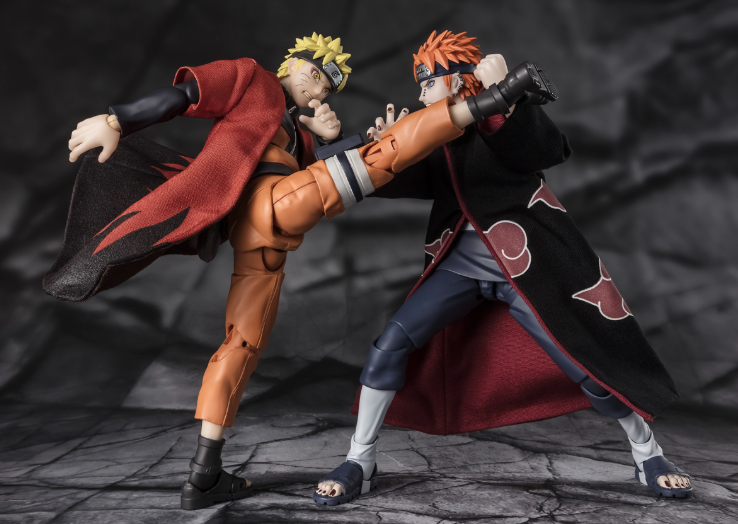
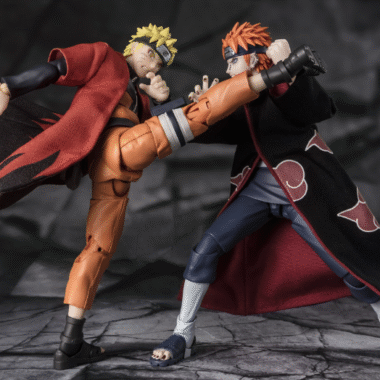
naruto figures Custom figure Naruto Sage Mode vs Pain High Kick Battle
This naruto figures custom figure set depicts an intense battle scene between Sage Mode Naruto and Pain. Naruto is captured mid-air performing a high kick…
View Product →Acquiring a custom figure, particularly one as intricate and dynamic as the “Naruto Sage Mode vs Pain High Kick Battle” diorama, presents a distinct set of challenges that extend far beyond simply choosing a mass-produced collectible. Unlike items from established manufacturers with standardized quality control and accessible reviews, custom figures originate from individual artists or smaller studios, introducing significant variability in craftsmanship, material quality, and post-purchase support. First-time buyers often overlook the critical importance of vetting the artist’s reputation, understanding the specific production methods employed, and assessing the long-term durability of bespoke materials. The absence of a universal grading system means that perceived value and actual quality can diverge considerably. Furthermore, the inherent dynamism of a battle scene diorama, with its complex poses and interconnected elements, demands meticulous engineering for stability and longevity, aspects frequently underestimated until the item is physically present. This guide aims to demystify these hidden variables, equipping prospective buyers with the analytical tools necessary for a truly informed acquisition.
The Critical Evaluation Framework
Artistic & Technical Specifications That Actually Matter
For a custom battle diorama like the “Naruto Sage Mode vs Pain High Kick Battle,” traditional “performance specifications” translate into the artistic and technical execution that defines its display value and longevity. Foremost among these is sculpting fidelity and anatomical accuracy. Naruto in Sage Mode, balancing on one leg mid-kick, and Pain’s reactive pose, demand precise anatomical rendering to convey realism and power. Examine the musculature, joint articulation, and the natural flow of clothing. Any stiffness or disproportion can detract significantly from the dynamic intent. Secondly, pose dynamics and composition are paramount. The “High Kick Battle” implies intense motion; the figures should appear genuinely engaged, not merely posed adjacent to each other. Evaluate the implied force, the direction of movement, and how the overall composition guides the viewer’s eye. A well-composed diorama tells a story without words.
Thirdly, facial expression and character likeness are critical. Naruto’s “intense focus” must be accurately captured, conveying his determination without appearing generic or distorted. Likewise, Pain’s expression should reflect his demeanor and the impact of the battle. Subtleties in eye sculpt, mouth curvature, and eyebrow positioning make a profound difference. Lastly, consider scale accuracy and base integration. While a custom piece may not strictly adhere to a universal scale (e.g., 1/6th or 1/8th), the internal consistency between Naruto and Pain, and their interaction with the base, is vital. The base itself should not merely be a stand but an integral part of the scene, providing stability, context, and enhancing the overall aesthetic without distracting from the main action. The method of attachment and the perceived stability of dynamic elements, such as Naruto’s elevated leg, are technical considerations that directly impact the figure’s long-term integrity.
Build Quality and Material Science Considerations
The material choices and assembly craftsmanship in custom figures are foundational to their durability, detail retention, and overall finish. The vast majority of high-quality custom figures, especially dioramas, are produced using resin (polyurethane resin). This material is favored for its ability to capture intricate details from a mold with high fidelity, its density, and its satisfying weight. However, not all resins are equal; lower-grade resins can be brittle, prone to yellowing over time, or have visible air bubbles. When evaluating, inquire about the specific type of resin used and its properties. Other materials might include PVC for smaller, more flexible parts or accessories, though it’s less common for primary custom sculpts, and increasingly, 3D printed materials. While 3D printing offers incredible design freedom, the layer lines must be meticulously sanded and prepped to avoid a visibly textured surface on the final product, which can compromise the paint finish.
Paint application quality is arguably the most visible indicator of build quality. Look for smooth, even coats without brush strokes, overspray, or dust inclusions. Shading, highlighting, and weathering effects should be applied subtly and purposefully to enhance depth and realism. A common pitfall in custom figures is inconsistent paint quality, especially on intricate details like eyes or clothing folds. The assembly quality is equally important, particularly for a dynamic diorama. Examine seams where parts are joined; they should be minimal, clean, and ideally hidden by design. Poorly assembled figures can have visible gaps, misaligned parts, or weak connection points that make them susceptible to breakage during handling or display. For a figure like Naruto mid-kick, the stability of the attachment points to the base, and the internal armature (if any) supporting delicate limbs, are critical engineering considerations that directly impact the figure’s longevity and resistance to gravity and minor vibrations.
Longevity and Display Integration
While “Ecosystem Compatibility and Long-Term Software Support” are irrelevant for a physical collectible, the concepts translate into Longevity and Display Integration for custom figures. Longevity pertains to how well the figure withstands the test of time, resisting degradation from environmental factors. UV stability of both the resin and the paint is crucial; direct sunlight can cause yellowing in resin and fading or discoloration in paint over years. Inquire if UV-resistant clear coats are applied. The stability of the pose and materials over time is also a concern. For dynamic poses like Naruto’s high kick, ensure the structural integrity is robust enough to prevent sagging or warping due to gravity, especially if the figure is large or heavy. Delicate elements, such as thin hair strands or weapon parts, should ideally be reinforced or made from slightly more flexible materials to prevent accidental breakage.
Display integration considers how the custom figure fits into a collector’s existing environment and collection. This involves practical aspects such as dimensions and weight. A complex diorama can be surprisingly large and heavy, requiring a sturdy shelf with adequate space and depth. Ensure the stated dimensions account for the entire footprint, including any dynamic elements that extend beyond the main base. Consider the figure’s cleaning and maintenance requirements. Custom figures often lack official guidelines, so understanding how to safely dust or clean delicate painted surfaces without damaging them is important. Finally, think about how the aesthetic and scale of this custom piece will complement or contrast with other figures in your collection. While a unique custom piece stands on its own, its presence within a broader display should ideally enhance, rather than detract from, the overall aesthetic coherence of your collection. This ensures that the figure remains a cherished display piece for years, not just a temporary novelty.
Dissecting the Budget Tiers
The pricing of custom figures, particularly complex dioramas, is not standardized and largely reflects the artist’s skill, reputation, materials used, and the sheer labor involved. Understanding these tiers helps manage expectations and identify value.
Entry-Level: What You Sacrifice and What You Gain
Entry-level custom figures, typically ranging from a few hundred dollars up to perhaps $700-$800 for a diorama, represent a compromise between cost and craftsmanship. What you typically sacrifice at this tier might include scale and complexity. Dioramas will likely be smaller, with fewer intricate elements or less dynamic poses, perhaps focusing on a single character rather than a full battle scene. The level of paint application might be simpler, with less nuanced shading, fewer gradient transitions, and potentially some minor imperfections like slight overspray or less crisp detail work on eyes or small accessories. The material quality may be standard resin without specific enhancements for UV resistance or extreme durability, and the finish might lack the refined smoothness of higher tiers, potentially showing minor sanding marks or less perfectly filled seams.
What you gain, however, is accessibility to unique artistry at a more affordable price point. For collectors who prioritize a specific character or scene and are willing to accept minor aesthetic compromises, entry-level custom figures offer a way to own a distinct, hand-crafted piece that stands apart from mass-produced items. These figures often come from emerging artists who are building their portfolio, making them potential sleeper hits if the artist’s skill develops. They are an excellent starting point for those curious about custom figures without committing a substantial investment, allowing you to gauge your interest and learn what aspects of custom work you value most. The intrinsic value lies in supporting independent creators and owning a piece with a personal touch, even if it doesn’t achieve absolute perfection.
Mid-Range: The Engineering Sweet Spot Explained
The mid-range for custom dioramas, generally falling between $800 and $1,500-$2,000, often represents the “engineering sweet spot” where significant artistic skill meets improved material quality and meticulous execution without reaching the peak of exorbitant pricing. At this tier, you can expect a substantial improvement in sculpting precision and anatomical accuracy, allowing for highly dynamic poses like Naruto’s high kick to be rendered with convincing realism and balance. The paint application will be noticeably superior, featuring intricate shading, subtle highlights, crisp detail work on faces and textures, and a generally cleaner finish with minimal to no visible imperfections. Artists at this level typically employ more advanced techniques, such as airbrushing for smooth transitions and fine brushwork for intricate details, resulting in a more vibrant and lifelike appearance.
Material quality also sees an upgrade, with artists often using higher-grade resins that offer better durability, less susceptibility to warping, and a smoother surface for painting. Structural integrity is a key focus; complex battle scenes will be engineered for long-term stability, with robust internal supports and secure attachment points, minimizing the risk of breakage or sagging. The base integration will be more sophisticated, becoming an integral part of the narrative rather than just a stand, featuring detailed environmental elements that enhance the diorama’s storytelling. What you gain at this tier is a figure that strikes an excellent balance between artistic ambition, technical execution, and material quality. It provides a highly satisfying display piece that is both visually stunning and built to last, often from reputable artists with a growing track record, offering a strong return on investment in terms of aesthetic pleasure and collectibility.
Premium: When the Price Premium Is Justified by Data
Premium custom dioramas, typically priced from $2,000 upwards, are where the highest levels of artistic mastery, material science, and engineering converge. The price premium at this level is justified by a confluence of tangible factors and often, the artist’s established reputation and demand. Here, sculpting is virtually flawless, capturing every nuance of character and motion with breathtaking precision. The “Naruto Sage Mode vs Pain High Kick Battle” would feature an unparalleled level of detail, from the subtle textures of clothing and skin to the intricate design elements of their respective costumes and abilities. Paintwork is executed with extreme finesse, often involving multi-layer applications, complex weathering, hyper-realistic skin tones, and specialized effects like translucent resin for energy blasts or dynamic water/dust effects, meticulously blended to create a living scene.
Materials are top-tier, employing high-strength, low-shrinkage resins, possibly reinforced with internal metal armatures for supreme stability, even in gravity-defying poses. The finish is immaculate, with no visible seams, brush strokes, or imperfections. Often, premium figures incorporate LED lighting to enhance effects or atmosphere, or utilize mixed media for added realism. The engineering of dynamic elements is paramount, ensuring that Naruto’s high kick, for instance, is not only visually striking but structurally sound for decades. Furthermore, premium pieces frequently originate from highly sought-after artists or studios known for their limited production runs and exceptional quality control. The price reflects not just the physical product but the rarity, the artist’s brand value, and the assurance of receiving a museum-quality display piece. For the discerning collector, the data—in terms of unparalleled detail, robust construction, and artistic brilliance—clearly justifies the significant investment, offering an heirloom-quality collectible.
Common Buyer Mistakes — and How to Avoid Them
naruto figures Custom figure Naruto Sage Mode vs Pain High Kick Battle
This naruto figures custom figure set depicts an intense battle scene between Sage Mode Naruto and Pain. Naruto is captured mid-air performing a high kick…
View Product →Navigating the custom figure market requires vigilance, as the lack of industry-wide standards can lead to common pitfalls for the unwary buyer.
Specification Traps That Look Good on Paper
One of the most prevalent mistakes is falling for “specifications” that sound impressive but lack concrete, verifiable impact on the final product. For example, a listing might boast “highly detailed sculpt” or “expertly hand-painted.” While these are desirable traits, they are subjective and often used as marketing fluff. Instead of relying on such vague claims, demand objective evidence. Request multiple high-resolution photographs from various angles, including close-ups of faces, hands, and intricate costume details. Compare these images directly to the source material (Naruto anime/manga) to assess true likeness and accuracy. If possible, ask for photos taken in different lighting conditions to reveal potential flaws not visible in studio-lit promotional shots.
Another trap involves dimensions. A figure might be listed as “large scale,” but the actual height might include an elaborate base or extended dynamic elements, making the actual character figures smaller than anticipated. Always clarify the height of the characters themselves rather than just the overall product dimensions, especially for a diorama where the base can add significant but potentially misleading bulk. Similarly, “limited edition” can be a specification trap. While scarcity can drive value, a “limited edition” from an unknown artist with poor quality control is merely a limited quantity of an inferior product. Prioritize proven quality and artist reputation over mere numbers. Avoid making assumptions about material quality; if the material isn’t explicitly stated (e.g., “high-grade polyurethane resin”), inquire directly. A general term like “resin” can mask lower-quality, more brittle materials.
Marketing Language vs Measurable Performance Differences
The custom figure market is ripe with evocative marketing language that can obscure actual, measurable differences in quality. Phrases like “epic battle scene,” “breathtaking dynamism,” or “unrivaled craftsmanship” are designed to stir emotion, but they offer no quantifiable metric for comparison. To avoid being swayed, focus on measurable performance differences that can be assessed through visual inspection and direct inquiry.
For instance, instead of accepting “breathtaking dynamism,” analyze the stability and balance of the figures. For Naruto’s high kick, how is the figure supported? Is it a thin peg, or a robust internal armature? A figure that appears dynamic but is prone to tipping or has visible stress points is a measurable performance failure. Instead of “unrivaled craftsmanship,” look for consistency in paint application across all surfaces, the absence of visible mold lines or seam gaps, and perfectly smooth transitions between colors. These are objective indicators of craftsmanship. Compare the sharpness of sculpted details, such as Naruto’s Sage Mode markings or Pain’s Rinnegan, against reference images. Any blurring or softness in these critical details represents a measurable drop in fidelity. Furthermore, be wary of listings that show only computer-rendered prototypes or heavily edited photos; always insist on seeing photos of the actual production piece that will be shipped. The difference between a digital render and a hand-painted physical product can be substantial. Understanding these distinctions empowers you to look beyond the hype and evaluate the product on its actual merits.
The Decision Framework: Matching Product to Buyer Profile
Making a confident purchase decision for a custom figure like the “Naruto Sage Mode vs Pain High Kick Battle” involves a structured approach, aligning the product’s attributes with your personal collecting goals and risk tolerance.
Questions to Clarify Before Committing
Before financially committing, a series of precise questions can illuminate potential areas of concern and ensure the figure meets your expectations. Firstly, request detailed production photos and videos of the actual item you will receive, not just generic promotional shots or prototypes. This is paramount for custom pieces where individual paint jobs can vary. Ask for photos from multiple angles, including close-ups of faces, hands, and any particularly complex or delicate areas like Naruto’s kicking leg or Pain’s detailed equipment. Secondly, clarify the exact materials used for the primary sculpt, base, and any special effects. If it’s resin, inquire about its specific type (e.g., polyurethane, epoxy) and any known properties regarding brittleness, UV resistance, or yellowing. If 3D printed, ask about the post-processing steps to ensure a smooth finish.
Thirdly, confirm the precise dimensions and weight of the assembled diorama, including the base. This is crucial for display planning and shipping cost estimation. Fourth, inquire about the artist or studio’s reputation and track record. Look for independent reviews, collector forums, or social media discussions about their past work. A history of satisfied customers and consistent quality is a strong indicator. Fifth, understand the shipping process and protection. Custom figures are often fragile. Ask about the packaging method (e.g., custom foam inserts, double boxing), the shipping carrier, insurance coverage, and estimated transit times. Finally, clarify the return, refund, or repair policy in case of damage during shipping or discovery of significant defects upon arrival. Given the custom nature, policies can be more restrictive than for mass-produced items, so clear understanding is vital.
Red Flags to Watch for in Product Listings
Several indicators in a product listing or seller interaction should prompt caution and further investigation. The most significant red flag is the absence of clear, high-quality production photos of the final product. If a listing relies solely on computer renders, concept art, or heavily edited images, it suggests the seller may be attempting to mask imperfections or has not yet produced a final piece that matches the promotional material. A related red flag is a lack of multiple angles or close-up shots, especially of critical details like faces or complex poses. This can hide flaws in sculpting or paint application.
Vague or non-existent material descriptions are another serious concern. If the listing simply says “high-quality materials” without specifying resin, PVC, etc., it’s a deliberate omission that could indicate the use of cheaper, less durable alternatives. Unrealistic pricing, either excessively low for the apparent complexity and detail, or exorbitantly high without clear justification (like a highly renowned artist or extremely limited run), should also raise suspicion. Too low might indicate poor quality or a scam, while too high without evidence could be opportunistic pricing. Poor communication from the seller, including slow response times, evasive answers to specific questions, or a reluctance to provide additional information, is a major red flag. This often foreshadows issues with post-purchase support. Finally, a lack of independent reviews or community feedback for the artist or studio, especially for higher-priced custom pieces, means you are taking a significant risk on an unproven entity.
Final Checklist Before Purchase
Before making the ultimate commitment, run through this final checklist to ensure all bases are covered and you’re entering the transaction with complete confidence.
- Artist/Studio Vetting Complete: Have you researched the artist’s reputation, reviewed their past work, and found positive independent feedback from other collectors?
- Visual Confirmation: Have you seen high-resolution photos and ideally a video of the exact final product you will receive, from all angles, including close-ups of key details and any known fragile points?
- Material Understanding: Are you fully aware of the specific materials used (e.g., type of resin, paint finishes) and their long-term properties regarding durability, UV resistance, and potential for yellowing or warping?
- Dimensions and Weight Confirmed: Do you know the precise overall dimensions and weight, and have you confirmed it fits your intended display space and shelf capacity?
- Structural Integrity Assessed: For a dynamic diorama like Naruto vs Pain, have you inquired about internal supports, attachment methods, and the overall stability of the complex pose?
- Shipping & Insurance Details: Is the shipping method, estimated cost, transit time, and insurance coverage clearly understood and agreed upon? How will it be packaged to prevent damage?
- Return/Refund/Repair Policy: Do you have a clear understanding of the seller’s policy for damaged goods or defects, including timelines and who bears the cost of return shipping if applicable?
- Payment Security: Are you using a secure payment method that offers buyer protection (e.g., PayPal Goods & Services, credit card protection)?
- Budget Alignment: Does the total cost, including shipping and any potential customs duties, align with your budget and perceived value of the figure?
- Gut Feeling Check: After all objective analysis, does your intuition feel good about this purchase and seller?
By meticulously working through this comprehensive guide and checklist, you empower yourself to make a truly informed, rational, and satisfying decision when investing in a unique and captivating custom figure like the “Naruto Sage Mode vs Pain High Kick Battle” diorama.