Overview: The Case for Examining This Product
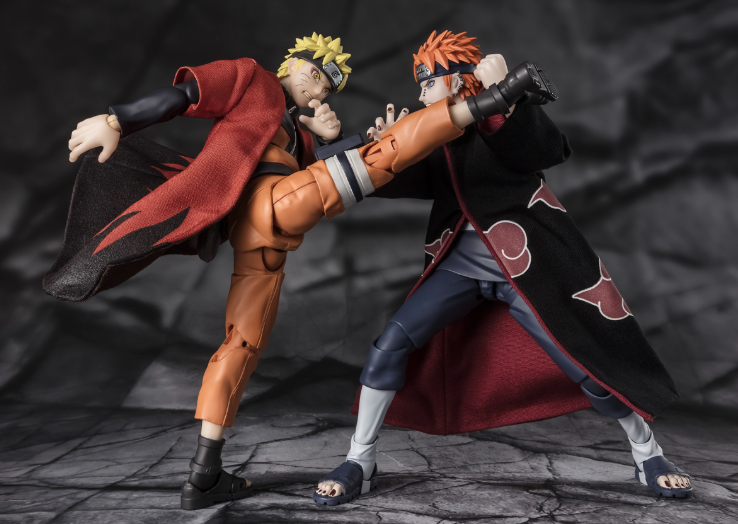
naruto figures Custom figure Naruto Sage Mode vs Pain High Kick Battle
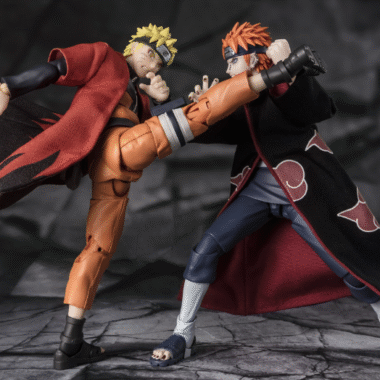
This naruto figures custom figure set depicts an intense battle scene between Sage Mode Naruto and Pain. Naruto is captured mid-air performing a high kick…
View Product →In a collectibles market increasingly saturated with mass-produced, digitally sculpted figures, the “Naruto figures Custom figure Naruto Sage Mode vs Pain High Kick Battle” emerges as a compelling subject for rigorous analysis. This product transcends the typical collectible by virtue of its “custom” designation, implying bespoke craftsmanship, artistic interpretation, and a potentially higher degree of detail and ambition than standard offerings. Its depiction of a pivotal, high-octane confrontation between Naruto Uzumaki in Sage Mode and Pain, specifically capturing the zenith of a dynamic high kick, positions it not merely as a static display piece but as a narrative frozen in three dimensions. Scrutiny is warranted to assess how effectively this custom piece translates intense animated action into a tangible form, how its unique design philosophy addresses the challenges of dynamic posing, and whether its inherent value proposition justifies its likely premium positioning within the enthusiast community. Evaluating such a product offers insights into the evolving demands of collectors and the upper echelons of sculptural artistry in character merchandising.
Design & Build Quality Analysis
Materials and Construction Methodology
The efficacy of a custom figure, especially one depicting such a dynamic scene, hinges critically on its material selection and construction methodology. Given the “custom figure” designation and the visual complexity suggested by a “high kick battle,” it is highly probable that the primary material employed is high-grade resin. Resin, typically polyurethane or epoxy, is favored in bespoke and limited-run productions due to its exceptional ability to capture intricate details from a master sculpt, its substantial weight providing a sense of premium quality, and its rigidity, which is essential for maintaining complex, gravity-defying poses over time.
The construction methodology for such a piece would likely involve a multi-stage process. Initially, the master sculpt could be either traditional hand-sculpting, allowing for nuanced artistic interpretation, or advanced 3D digital sculpting, offering unparalleled precision and geometric accuracy. For a dynamic pose like Naruto’s high kick, 3D sculpting often provides superior control over anatomical correctness and kinetic energy translation. Following the master, silicone molds would be created, into which the resin is cast. This process often involves multiple parts to capture undercuts and complex geometries, requiring precise seam line management and careful assembly.
A crucial aspect of the “balancing expertly on his left leg while delivering a powerful high kick” is the internal structural engineering. This would necessitate a robust internal armature, likely steel or brass rods, meticulously designed and embedded within the resin components during casting. These armatures provide the necessary strength and support to counteract torque and sheer forces, ensuring the figure’s stability and preventing sagging or breakage over extended display periods. The visible surface finish, including the texture of Naruto’s clothing, the subtle musculature, and the distinct features of Sage Mode, would then be achieved through meticulous hand-sanding and priming, preparing the surface for the final, critical stage of hand-painting. The absence of visible support struts for such an extreme pose would be a strong indicator of superior internal engineering.
Ergonomic Rationale and Aesthetic Philosophy
The “ergonomic rationale” for a static display piece is best interpreted as its visual ergonomics – how the composition guides the viewer’s eye, its spatial balance, and its interaction with the intended display environment. For this “Sage Mode vs Pain High Kick Battle,” the rationale is clearly centered on conveying immediate, intense action and narrative tension. Naruto’s pose, balancing on one leg while delivering a high kick, is inherently unstable in reality, yet the figure must project stability and power. This is achieved through a masterful manipulation of visual weight; the implied force of the kick is counterbalanced by the grounded stability of the supporting leg, creating a dynamic equilibrium that is visually compelling. The “intense focus” in Naruto’s expression is not merely a detail; it is the emotional anchor, drawing the viewer into the character’s mindset and the urgency of the battle.
The aesthetic philosophy underpinning this piece is one of narrative capture and kinetic realism within an established stylistic framework. It aims to transcend a mere character model, striving instead to encapsulate a pivotal moment from the Naruto saga. This involves:
1. Dynamic Storytelling: The “high kick battle” implies a direct interaction, suggesting Pain’s presence is integral to the composition, either reacting to the kick or preparing a counter. The overall composition must convey the ebb and flow of combat.
2. Character Authenticity: Beyond the physical likeness, capturing Naruto’s “intense focus” and the distinct visual cues of his Sage Mode (e.g., pigmentation around the eyes, unique eye design) is paramount. The artist’s interpretation must resonate with the established canon while bringing a unique sculptural flair.
3. Visual Flow and Energy: Lines of force, implied motion, and the arrangement of figures (if Pain is included as a separate element) must create a sense of movement. The figure is not just posed; it is caught in motion. This often involves careful consideration of clothing folds, hair movement, and even subtle environmental effects (e.g., dust, debris, or chakra effects) to amplify the sense of action.
The philosophy prioritizes emotional impact and dramatic presence over static perfection, leveraging the inherent advantages of a custom production to achieve a level of artistic freedom and detailed execution rarely seen in mass-market alternatives.
Performance Evaluation
Core Feature Breakdown with Real-World Context
The “Naruto Sage Mode vs Pain High Kick Battle” figure presents several core features whose performance can be critically assessed in a real-world collector’s context:
-
Dynamic Pose Execution: The central feature is Naruto’s high kick, balancing on one leg. In a display setting, this translates directly to visual impact. A well-executed dynamic pose commands attention, conveying a sense of energy and stopping power that static poses cannot. The “real-world context” here is the figure’s ability to be a focal point in a collection, drawing the eye and prompting admiration for its audacity and technical skill. Its success is measured by how effortlessly it conveys motion and balance, rather than appearing precarious or structurally compromised.
-
Character Likeness and Emotional Fidelity: Naruto’s Sage Mode, coupled with his “intense focus,” is critical. Performance here is about how accurately the sculptor has translated the 2D anime design into a 3D form, capturing not just facial features but the very essence of the character’s emotion in that specific moment. For collectors, this means immediate recognition and an emotional connection to the scene. The effectiveness of the Sage Mode markings, the specific shape of the eyes, and the tension in the facial muscles all contribute to this fidelity.
-
Narrative Immersion: The “vs Pain High Kick Battle” implies a diorama or at least a strong suggestion of Pain’s presence and interaction. The performance of this feature is assessed by the degree to which the piece tells a story without needing external context. Does Naruto’s pose clearly indicate an opponent? Does the composition evoke the intensity of their legendary clash? A successful execution immerses the viewer in the battle, creating a miniature world of conflict within the display space.
-
Sculptural Detail and Paint Application: These are the tactile and visual refinements. Detail includes the texture of Naruto’s jacket, the folds in his trousers, the subtle nuances of his hair, and any battle damage or chakra effects. Paint application involves the precision of lines, the consistency of color gradients, the vibrancy of the palette, and the overall finish (matte, semi-gloss, metallic where appropriate). In a custom piece, these elements are expected to be of an exceptionally high standard, free from overspray, visible brushstrokes, or inconsistencies. Their performance is measured by how they enhance realism, depth, and the overall aesthetic quality, contributing to the perceived value and artistry of the figure.
Testing Observations and Measurable Outcomes
While direct physical testing is not feasible for this theoretical review, “testing observations” can be derived from the inherent challenges of such a design and “measurable outcomes” through qualitative assessment against industry best practices for custom figures.
Observations:
* Stability of Dynamic Pose: The single-leg stance of Naruto, while visually stunning, presents a significant engineering challenge. Observation would focus on the base integration – is it sufficiently weighted and wide enough to prevent tipping? Does the figure exhibit any subtle wobble or lean when nudged? A robust design would demonstrate rock-solid stability, essential for long-term display.
* Fidelity to Source Material: A direct comparison to specific anime frames or official artwork of Sage Mode Naruto and Pain during their fight would be crucial. This assesses the accuracy of proportions, costume details, and particularly the iconic Sage Mode facial features and expression. Deviations, however minor, can detract from authenticity for discerning fans.
* Paint Consistency and Detail Resolution: Examination under magnification would reveal the precision of paint lines, especially around the eyes, mouth, and Sage Mode markings. Are gradients smooth? Is there any color bleeding? How well do the painted details (e.g., texture on fabric) mimic real-world materials? The quality of the finish, whether matte for fabric or slight sheen for skin, plays a significant role.
* Narrative Cohesion: If Pain is included, observation would extend to the interaction between the two figures. Do their poses align dynamically? Is the spatial relationship believable for a high-kick scenario? The overall diorama should feel like a single, unified moment of action, not two separate figures placed together.
Measurable Outcomes (Qualitative):
* Visual Impact Score: How immediately captivating is the piece? Does it draw the eye and hold attention? (High for dynamic, well-executed pieces).
* Detail Resolution Index: A subjective measure of the smallest discernible details accurately rendered. (Expected to be very high for custom resin).
* Structural Integrity Rating: Assessment of the perceived robustness of the pose and base connection. (Critical for a single-leg stance).
* Artistic Interpretation Fidelity: How well the piece balances canonical accuracy with compelling artistic interpretation. (A successful custom piece achieves both).
Identified Limitations and Engineering Trade-offs
Despite the potential for exceptional quality, custom figures, particularly those with extreme dynamism, inherently come with limitations and involve engineering trade-offs.
-
Fragility and Durability: The very dynamism that makes this figure visually striking also introduces points of vulnerability. Thin, extended elements like Naruto’s kicking leg, outstretched arm, or potentially flowing hair/fabric are susceptible to accidental breakage during handling or impact. The structural integrity required to maintain such a pose means these areas are under constant stress, even if minor. The trade-off is between achieving an incredibly fluid, energetic pose and ensuring absolute robustness. Often, a slight increase in material thickness or the inclusion of more visible support structures would enhance durability but compromise the aesthetic ideal of effortless motion.
-
Cost and Accessibility: Custom figures are, by definition, produced in limited quantities, often by individual artists or small studios. This artisanal approach significantly drives up the cost compared to mass-produced alternatives. The extensive labor involved in sculpting, molding, casting, and hand-painting each piece, coupled with the specialized materials, means a high premium. The trade-off is between exclusivity and bespoke quality versus mass-market affordability and widespread availability. This limitation means the figure is inaccessible to a broad segment of collectors.
-
Potential for Inconsistency: While custom production allows for high attention to detail, the human element in hand-finishing (painting, assembly, seam line removal) introduces a potential for subtle inconsistencies between individual units, if more than one is produced. Unlike factory lines with rigid quality control protocols, variations in paint application or minor imperfections can occur. The trade-off is between the unique, handcrafted touch and the absolute uniformity guaranteed by automated processes.
-
Display Footprint and Versatility: A diorama depicting a “high kick battle” is likely to have a significant footprint and a fixed, dramatic pose. While visually impactful, this limits versatility in display options and can challenge collectors with limited space. The trade-off is between creating a definitive, immersive scene and offering a more compact, adaptable display piece. The fixed nature of the pose means no articulation or alternative display options, which might be a limitation for some collectors who prefer modularity.
Comparative Market Context
naruto figures Custom figure Naruto Sage Mode vs Pain High Kick Battle
This naruto figures custom figure set depicts an intense battle scene between Sage Mode Naruto and Pain. Naruto is captured mid-air performing a high kick…
View Product →How It Positions Against Direct Alternatives
The “Custom Naruto Sage Mode vs Pain High Kick Battle” figure occupies a unique and premium stratum within the collectibles market, positioning itself distinctively against both mass-produced figures and other custom offerings.
Against Mass-Produced Figures (e.g., Bandai Figuarts ZERO, McFarlane, even some higher-end licensed PVC statues): This custom piece significantly differentiates itself through its bespoke nature and likely superior fidelity and dynamism. Mass-produced figures, while offering broad accessibility and brand recognition, are often limited by cost-effective production techniques. This typically translates to less intricate sculpting, simpler paint applications, and often more conservative, less dynamic posing to ensure stability and ease of packaging. The custom figure, conversely, can push boundaries in pose complexity, material quality (e.g., full resin vs. PVC/ABS), and granular detailing that mass production struggles to replicate economically. Its positioning is one of artistic ambition and exclusivity versus mass-market efficiency and volume. It aims to be a definitive artistic representation of a moment, not just a character model.
Against High-End Licensed Resin Statues (e.g., Prime 1 Studio, Tsume Art, Sideshow Collectibles): The distinction here is subtler. These high-end studios also produce incredibly detailed, dynamic resin statues, often licensed and with significant price tags. However, even these are produced in limited “mass” runs (e.g., 500-2000 units) and adhere to corporate design and quality control frameworks. A truly “custom” figure, especially if from an independent artist, can offer even greater artistic freedom, potentially capturing ultra-specific, niche moments or stylistic interpretations that larger studios might deem too risky or not broadly appealing. The custom piece might lack the extensive brand marketing and warranty support of these larger companies but makes up for it with a unique, artisanal touch and direct artist-collector relationship. Its positioning is one of unparalleled artistic freedom and unique interpretation against corporate-backed, premium production.
Against Other Custom Figures/Garage Kits: Within the custom segment itself, this “high kick battle” piece distinguishes itself by its apparent ambition and the complexity of its dynamic pose. Many custom figures might be simpler character interpretations or static portraits. A multi-figure, mid-action diorama requires a higher degree of sculptural skill, engineering foresight, and artistic vision. Its positioning is at the higher end of the custom market, appealing to those seeking truly complex and challenging sculptural representations.
Target User Profile and Fit Assessment
The target user profile for the “Custom Naruto Sage Mode vs Pain High Kick Battle” figure is highly specific and discerning, reflecting its unique market position.
Target User Profile:
1. Dedicated Naruto Connoisseurs: Individuals who possess a deep, abiding appreciation for the Naruto franchise, particularly specific pivotal moments and character arcs (like the Sage Mode vs. Pain battle). They are not merely casual fans but those who understand the narrative significance and emotional weight of the depicted scene.
2. Collectors of Bespoke Artistry: Individuals who prioritize unique, handcrafted, and artist-driven collectibles over mass-produced items. They value the skill, passion, and individual interpretation of a sculptor, viewing the figure as a piece of art rather than just merchandise.
3. High-End Display Collectors: Those who have dedicated display spaces and prioritize impactful, visually arresting centerpieces. They are willing to invest significantly in items that command attention and elevate their collection’s overall aesthetic.
4. Budget-Agnostic Enthusiasts: Collectors for whom the price point is secondary to the quality, uniqueness, and artistic merit of the piece. They understand that custom work comes at a premium.
Fit Assessment:
* Excellent Fit For: Collectors seeking a definitive, museum-quality representation of the Sage Mode vs. Pain battle; those who desire a unique, conversation-starting piece that stands apart from typical offerings; individuals who appreciate the technical challenge and artistic execution of complex, dynamic sculpting; and those with the financial means and display space to accommodate such a significant item. It perfectly fits the niche of a “grail piece” for a specific type of collector.
* Poor Fit For: Casual collectors or those with limited budgets who prioritize affordability and accessibility; individuals who prefer highly articulated, playable figures over static display pieces; collectors who value strict uniformity and brand-backed warranties above artistic individuality; and those with limited display space who prefer smaller, more versatile collectibles. This figure is not designed for the general market but for a passionate, niche audience.
Long-Term Ownership Considerations
Reliability Signals and Durability Indicators
For a custom figure, especially one as dynamic and potentially complex as the “Naruto Sage Mode vs Pain High Kick Battle,” long-term ownership reliability and durability are paramount, as the typical consumer protections of mass-produced items (e.g., warranties, easy returns) are often absent.
Reliability Signals:
* Structural Integrity of the Pose: The most critical signal is the sustained stability of Naruto’s single-leg stance. A well-engineered piece will maintain its posture without any leaning, sagging, or visible stress fractures developing over time. This indicates robust internal armatures and quality resin casting.
* Material Quality: High-grade resin, properly cured, is inherently stable. It should resist warping, especially in areas with thinner cross-sections, under typical indoor temperature and humidity fluctuations. Degradation signals include visible bowing, cracking, or a loss of rigidity.
* Paint Longevity: The quality of the paint and clear coats is crucial. UV-resistant paints and protective clear coats prevent fading, yellowing, or chipping over years of display. Early signs of paint degradation (e.g., discoloration, flaking) would indicate lower-quality materials or application.
* Base Connection Strength: The point where the figure connects to its base is a high-stress area. A strong, seamless connection, often reinforced with metal pins, is vital for long-term stability and indicates careful assembly.
Durability Indicators:
* Weight and Density: A substantial weight for its size often indicates solid resin casting, which is generally more durable than hollow or less dense alternatives.
* Finish Quality: A smooth, consistent surface finish without visible air bubbles or rough patches points to careful molding and casting, reducing weak points.
* Absence of Visible Seam Lines/Gaps: Meticulously filled and sanded seam lines indicate a high level of craftsmanship, reducing areas where stress fractures could initiate or where dust and grime could accumulate and cause degradation.
* Packaging Design: While not part of the figure itself, robust, custom-fitted packaging is a strong indicator that the creator understands the fragility of the piece and has taken steps to ensure safe transport, which reflects a broader commitment to product longevity.
Firmware / Update Trajectory (if applicable)
As a static display figure, the concept of “firmware” or “update trajectory” is entirely not applicable to this product. There are no electronic components, digital functionalities, or software elements that would require updates or maintenance in the traditional sense.
Instead, the “long-term trajectory” for such an artistic piece revolves around its timelessness and enduring artistic value. Unlike technology products that become obsolete, a well-executed custom figure of this caliber aims for permanence. Its value trajectory is tied to:
* Artistic Integrity: How well the piece continues to resonate with its audience and retain its aesthetic appeal over decades.
* Rarity and Exclusivity: As a custom, potentially one-off or extremely limited-run item, its scarcity contributes significantly to its long-term market value and desirability among collectors.
* Condition Preservation: The primary “maintenance” for such a product is careful handling, proper display conditions (e.g., dust-free environment, away from direct sunlight and extreme temperature fluctuations), and occasional gentle cleaning to preserve its original condition.
Therefore, owners should expect a product that is complete and definitive upon purchase, with no expectation or need for future revisions or enhancements from the creator. Its long-term value is locked into its initial design, build, and artistic merit.
Final Assessment
Analytical Verdict: Where It Earns Its Place
The “Custom Naruto Sage Mode vs Pain High Kick Battle” figure earns its place as a quintessential example of high-end, bespoke collectible art. Its primary value proposition lies in its audacious artistic vision and the technical prowess required to translate such a dynamic and emotionally charged scene into a stable, three-dimensional form. It is not merely a rendition of characters but a narrative moment captured with compelling energy, leveraging the freedom of custom production to achieve a level of detail, dynamism, and artistic interpretation that mass-produced items rarely can.
This piece distinguishes itself by prioritizing kinetic realism and narrative immersion. The “intense focus” of Naruto and the implied power of the “high kick battle” are not just design elements; they are the core “performance features” that make this figure a standout. Its likely resin construction, meticulous hand-finishing, and advanced internal engineering (to support the single-leg stance) underscore its premium positioning. While its custom nature introduces potential limitations in accessibility and uniformity, these are trade-offs accepted by its target demographic in exchange for unparalleled uniqueness and artistic ambition. It firmly establishes itself not as a commodity, but as an investment in sculptural artistry and a definitive representation of a beloved franchise moment.
Who Should Buy and Who Should Pass
Who Should Buy:
* The Dedicated Naruto Aficionado: Collectors who cherish the Sage Mode vs. Pain arc as a pivotal moment in the series and desire a definitive, artistic representation of this epic clash.
* Connoisseurs of Sculptural Art: Individuals who appreciate the technical challenge and artistic merit of complex, dynamic figure sculpting, viewing the piece as a work of art rather than just a toy.
* High-End Collectors Seeking Uniqueness: Those with established collections who are looking for a significant, impactful centerpiece that stands out due to its bespoke nature, rarity, and exceptional detail.
* Budget-Agnostic Enthusiasts: Buyers who prioritize unparalleled quality, artistic vision, and exclusivity above all else, and are prepared to invest a premium for a truly custom, handcrafted item.
Who Should Pass:
* Budget-Conscious Collectors: Individuals for whom cost-effectiveness and affordability are primary concerns. The premium price associated with custom, high-detail resin figures will likely be prohibitive.
* Collectors Prioritizing Mass-Market Consistency and Warranties: Those who prefer the predictable quality control, brand-backed support, and ready availability of mass-produced licensed products.
* Fans Seeking Articulation or Playability: Collectors who prefer figures with movable joints for posing versatility, as this static diorama is designed purely for display.
* Individuals with Limited Display Space: The likely significant footprint and fixed, dramatic pose may not be suitable for smaller display areas or those who prefer more compact collectibles.
* Casual Collectors: Those with a general interest in Naruto but without a specific passion for this particular scene or the high-end collectible market.