Why This Purchase Decision Is More Complex Than It Appears
naruto figures Custom Figure Naruto Sage Mode
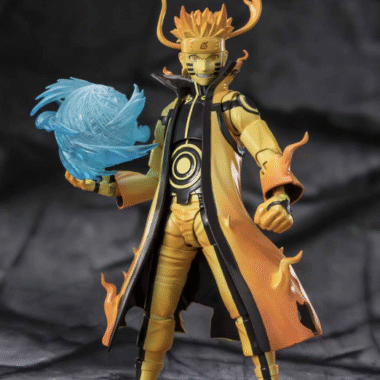
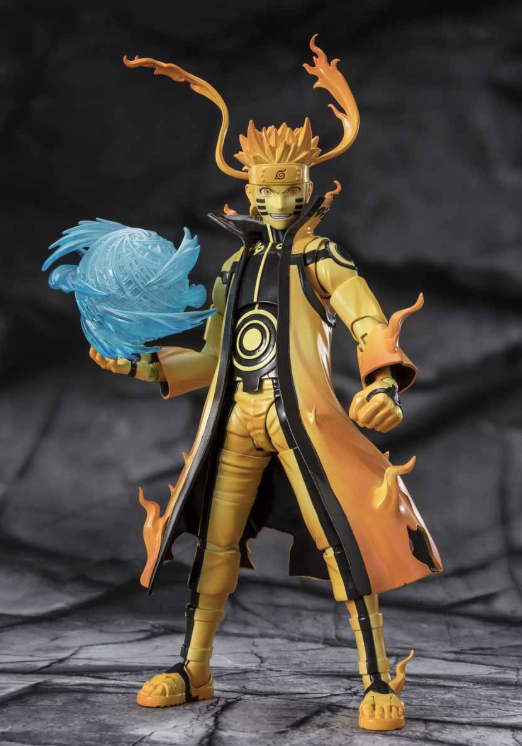
Naruto is standing in a powerful stance with one arm extended, holding a glowing blue Rasengan. He wears a bright yellow-orange coat with black trim…
View Product →Acquiring a “Custom Figure Naruto Sage Mode” is a significantly more nuanced undertaking than purchasing a mass-produced, officially licensed collectible. First-time buyers often overlook a multitude of hidden variables that dictate true value and long-term satisfaction. Unlike figures from established brands with standardized quality control, custom pieces originate from a diverse landscape of independent artists, smaller studios, or modified existing figures, leading to vast inconsistencies in execution. Key factors such as the specific type of resin or PVC used, the consistency of paint application, the fidelity of the sculpt to the source material, and the overall structural integrity are not guaranteed. Furthermore, considerations like scale accuracy for integration into an existing collection, the stability of a dynamic pose, and the longevity of materials under various environmental conditions become critical due diligence points. Without a structured evaluation, buyers risk receiving a product that falls short of expectations in terms of aesthetic quality, durability, or even safety, transforming an exciting acquisition into a potential disappointment.
The Critical Evaluation Framework
Performance Specifications That Actually Matter
When evaluating a custom Naruto Sage Mode figure, the aesthetic and structural “performance” are paramount. The sculpt fidelity is the foundational specification; it dictates how accurately the figure captures Naruto’s distinct features, the intensity of his Sage Mode facial expression, the intricate details of his garb, and the overall anatomical correctness. A superior sculpt will convey the character’s personality and the power of his Sage Mode transformation convincingly. Equally important is the pose dynamics. For a figure described with one leg slightly forward and holding a glowing Rasengan, the pose must convey kinetic energy, balance, and visual interest from multiple angles, avoiding any sense of stiffness or awkwardness. The paint application is where a custom figure often distinguishes itself or falters. This includes the nuanced gradients of the translucent blue Rasengan, the subtle shading on Naruto’s skin and clothing to define musculature and folds, and the precision of the eye details that bring the face to life. Imperfections such as overspray, color bleeding, or inconsistent finishes can drastically diminish the figure’s appeal. For collectors, scale accuracy is vital; if the figure is intended to complement an existing collection, its scale (e.g., 1/6, 1/7) must be consistent to maintain display harmony. Finally, the weight and stability are practical performance indicators. A well-engineered figure will possess a reassuring heft, and its base must provide unwavering support for the dynamic pose, preventing any risk of tipping or structural fatigue over time. The quality of the translucent material used for the Rasengan, its perceived luminosity, and its secure attachment are also critical for the overall impact.
Build Quality and Material Science Considerations
The longevity and visual integrity of a custom figure are intrinsically linked to its build quality and the materials employed. The primary material is often the first consideration: resin (typically polystone) versus PVC/ABS. Resin figures generally offer finer detail, a more substantial feel, and a premium aesthetic, but they are inherently more brittle and susceptible to breakage from impacts. PVC/ABS, conversely, is more durable and flexible, making it less prone to accidental damage, but it can sometimes lack the crispness of detail seen in high-quality resin. For multi-part figures, the joints and assembly are crucial; pieces should fit together seamlessly, with minimal visible seams or gaps, and attachment methods (e.g., magnets, pegs) should be secure yet allow for safe assembly. The paint durability is another significant factor; a quality custom figure will feature paint that is properly cured and, ideally, sealed to resist chipping, scratching, and fading from ambient light or minor handling. The base construction is not merely functional but also contributes to the figure’s overall presentation and stability. A robust, weighted base, often with non-slip padding, is essential to securely support a dynamic pose and prevent movement on display. Finally, understanding the potential for long-term degradation is paramount. Materials like clear PVC or certain resins can yellow over time due to UV exposure, while some plastics may experience plasticizer leeching, leading to a sticky surface. Knowledge of these material properties allows for informed decisions regarding display environment and long-term care.
Ecosystem Compatibility and Long-Term Software Support
While “software support” might seem incongruous for a physical collectible, in the context of custom figures, it translates metaphorically to post-purchase reliability, artist accountability, and material longevity. Ecosystem compatibility primarily refers to how the figure integrates into a collector’s existing display setup. This encompasses physical dimensions to ensure it fits within display cases or on shelves, and aesthetic compatibility, ensuring its art style, scale, and finish harmonize with other figures in a collection. A well-designed custom figure should complement, rather than clash with, its peers. More critically, artist/studio reputation and support form the backbone of “long-term software support.” Unlike mass-market figures with established customer service, custom figures rely heavily on the individual or small studio for any post-purchase issues. This includes the availability of a warranty or repair service for manufacturing defects or shipping damage, the responsiveness of communication for inquiries, and the potential availability of replacement parts for fragile elements like the Rasengan. Researching the artist’s track record, community feedback, and communication transparency is vital. Furthermore, material longevity and maintenance guidance are essential. A reputable custom artist will often provide advice on proper cleaning, protection from UV light, and optimal environmental conditions (temperature, humidity) to prevent material degradation. While a formal “software update” is absent, the artist’s ongoing engagement with their community and willingness to support their creations reflects a commitment to the figure’s lasting value and the buyer’s satisfaction.
Dissecting the Budget Tiers
Entry-Level: What You Sacrifice and What You Gain
Entry-level custom Naruto figures typically occupy the lower end of the pricing spectrum, often due to compromises in materials, detail, or artist reputation. Buyers in this tier often sacrifice some degree of sculpt intricacy, with facial expressions or clothing details potentially being less refined or accurate to the source material. The paint application might be simpler, with fewer gradients, less precise line work, and a more uniform finish, potentially lacking the depth and realism of higher-tier figures. Materials might lean towards more cost-effective PVC or lighter-grade resins, which can sometimes feel less substantial or be more prone to minor imperfections. Poses might be less dynamic or require simpler engineering, and bases are often basic, functional, but without elaborate design. Furthermore, figures from less established custom artists may come with an inherent risk regarding consistency and post-purchase support. However, the primary gain at this level is accessibility. Entry-level figures offer a lower financial barrier, making them suitable for casual collectors, those who are new to custom figures and wish to test the waters, or individuals whose primary desire is simply to own a representation of Sage Mode Naruto without needing museum-quality precision. They can still offer a pleasing display piece if expectations are appropriately managed and a thorough pre-purchase inspection of available product photos is conducted.
Mid-Range: The Engineering Sweet Spot Explained
The mid-range tier for custom Naruto Sage Mode figures often represents the “engineering sweet spot,” where a significant leap in quality and detail is achieved without incurring the extreme premium of top-tier pieces. Here, buyers can expect a robust balance of aesthetic excellence and structural integrity. Figures in this category commonly utilize higher-grade resins, allowing for sharper details in the sculpt, from the texture of Naruto’s outfit to the nuanced contours of his face and the dynamic flow of his hair. Paint application sees considerable improvement, with more sophisticated techniques employed, such as intricate shading, subtle color transitions, and precise detailing on effects like the Rasengan, often enhanced with translucent materials that genuinely convey energy. Poses are typically more complex and dynamic, exhibiting superior balance and visual impact, supported by well-designed, often themed bases that integrate seamlessly with the figure. These figures are usually produced by reputable independent artists or smaller studios that have established a positive track record within the collector community, implying better quality control and more reliable communication. The value proposition at this level is compelling: collectors gain a figure that boasts impressive visual fidelity, solid build quality, and often a more substantial presence, representing a significant upgrade from entry-level options without the prohibitive cost associated with ultra-premium, limited-run pieces. This tier provides an excellent blend of detail, durability, and cost-effectiveness for the discerning collector.
Premium: When the Price Premium Is Justified by Data
The premium tier of custom Naruto Sage Mode figures commands the highest prices, but this premium is often justified by demonstrable data in terms of artistic execution, material quality, and exclusivity. These figures represent the pinnacle of custom craftsmanship. Justification begins with the materials: typically, they utilize the finest resins, meticulously chosen for their ability to capture hyper-fine detail and provide a significant, high-quality feel. The sculpt fidelity is often unparalleled, achieving near-perfect likeness, anatomical accuracy, and an incredibly dynamic and detailed representation of Sage Mode, capturing every nuance of the character’s design and expression. Paintwork is elevated to an art form, featuring intricate layering, advanced weathering effects, precise gradients, and often hand-painted details that bring an extraordinary level of realism or stylized perfection. These figures may incorporate complex features such as integrated LED lighting within the Rasengan or base, interchangeable parts for varied display options, or elaborate diorama bases that tell a story. They are frequently produced in extremely limited runs by highly renowned artists or boutique studios with a proven track record of consistent, exceptional quality. The “data” supporting the price premium includes the artist’s long-standing reputation for excellence, consistent positive reviews, evidence of superior material choices that ensure longevity and visual impact, and often a strong secondary market performance that reflects their inherent collectible value. For the collector who prioritizes absolute perfection, unparalleled detail, and exclusivity, the investment in a premium custom figure is supported by tangible evidence of superior craftsmanship and enduring artistic merit.
Common Buyer Mistakes — and How to Avoid Them
naruto figures Custom Figure Naruto Sage Mode
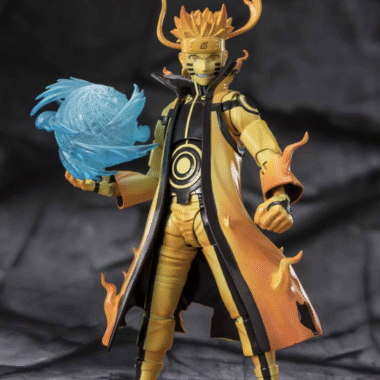
Naruto is standing in a powerful stance with one arm extended, holding a glowing blue Rasengan. He wears a bright yellow-orange coat with black trim…
View Product →Specification Traps That Look Good on Paper
Buyers of custom figures frequently fall prey to broad or generic specifications that appear impressive on paper but lack tangible meaning. For example, a listing might boast “high-detail sculpt.” While this sounds desirable, it is a subjective claim without visual evidence. To avoid this trap, insist on close-up, high-resolution photographs of the actual product, focusing on critical areas like the face, hands, and intricate clothing textures. These visuals provide concrete proof of detail, or lack thereof. Similarly, “premium materials” is a common marketing phrase. This can be misleading, as “resin” itself encompasses a wide spectrum of quality. Always seek clarification on the specific type of material used (e.g., specific grade of polystone resin, high-density PVC), and research its known properties regarding durability, detail retention, and longevity. The term “limited edition” can also be a trap. Without a precise production number (e.g., “limited to 50 units worldwide” versus “limited to 500 units”), its implication of rarity is vague and potentially exaggerated. Understand the exact production run size to gauge genuine scarcity. Lastly, don’t be swayed solely by a figure’s stated “large size.” A physically imposing figure with poor execution in sculpt or paint can be less impactful than a smaller, meticulously crafted piece. Prioritize quality of execution over sheer dimensions, ensuring that size correlates with a proportional increase in detail and finish.
Marketing Language vs Measurable Performance Differences
Beyond specification traps, buyers must critically distinguish between marketing rhetoric and quantifiable performance differences in custom figures. Phrases like “vibrant colors” are inherently subjective and cannot be objectively measured. Instead, focus on measurable paint performance: look for clear evidence of crisp lines, smooth and consistent gradients, absence of overspray or color bleed, and appropriate variations in finish (e.g., matte for clothing, subtle gloss for effects). A “dynamic pose” is another common claim. Evaluate whether the pose genuinely conveys energy, balance, and visual interest from multiple viewing angles, or if it appears awkward, unstable, or merely static despite the description. The true “dynamism” is a function of expert sculpting and engineering. The label “collector’s item” is often used to imply inherent value or future appreciation. While any item can be collected, this phrase often lacks specific justification. Instead, assess the figure’s true collectible merit by researching the artist’s reputation, the figure’s production numbers, and any observed activity in the secondary market. These factors provide a more objective measure of its potential long-term value. Finally, while “hand-painted” sounds impressive, most figures involve some degree of hand-painting. The critical distinction lies in the quality of the hand-painting. Seek out evidence of skilled application, attention to detail, and consistency across production pieces, rather than simply accepting the generic claim as an indicator of superiority.
The Decision Framework: Matching Product to Buyer Profile
Questions to Clarify Before Committing
Before making a significant investment in a custom Naruto Sage Mode figure, a structured self-inquiry can clarify priorities and prevent regret. First, objectively assess your budget range and determine if the desired figure aligns with it, considering not just the base price but also potential shipping costs and import duties. Next, identify your primary motivation for the purchase: Is it purely for display and enjoyment of the character? Is it viewed as a potential investment? Or is it to complete a specific collection theme? This helps in prioritizing features. Consider how important perfect accuracy vs. a stylized interpretation is to you; some custom artists offer unique takes on characters, which might deviate from strict source material but possess artistic merit. If you collect other figures, confirm the scale of the custom piece to ensure it harmonizes with your existing collection. Evaluate your available display space and ensure the figure’s dimensions, including its base, will fit comfortably and safely. Crucially, inquire about the artist’s or seller’s return and repair policy in case of defects or damage during transit, as custom pieces often have different policies than mass-produced items. Finally, understand the estimated shipping costs and potential import duties, especially for international purchases, as these can significantly impact the final price.
Red Flags to Watch for in Product Listings
Vigilance during the evaluation of product listings is essential to avoid potential pitfalls in the custom figure market. A significant red flag is the reliance on generic stock photos or heavily Photoshopped images rather than clear, unedited photographs of the actual production piece. Always insist on seeing photos of the specific figure you would receive or, at minimum, unretouched photos of a production sample. Closely related is the lack of close-up photos, particularly of critical areas like the face, hands, and intricate details of the Rasengan or clothing. Obscuring these areas often indicates imperfections the seller wishes to hide. Be wary of vague material descriptions such as “high-quality plastic” or simply “resin” without further specific details; reputable sellers will provide precise material information. A listing with no clear artist or studio information should raise suspicion, as anonymity can mask a lack of accountability or a history of poor quality. Unrealistic pricing, either significantly too low for the apparent detail (suggesting cut corners) or excessively high without clear justification, warrants careful scrutiny. Poor or slow communication from the seller, including evasive answers to specific questions, is a strong indicator of potential issues. Lastly, a complete absence of independent reviews or only overly positive, generic reviews should prompt further investigation; seek out detailed, critical assessments from other collectors if available.
Final Checklist Before Purchase
Before finalizing your purchase of a custom Naruto Sage Mode figure, conduct a methodical review using this checklist to ensure all critical factors have been considered:
- Verify Artist/Studio Reputation: Confirm the artist’s track record, community standing, and consistency of quality through independent reviews and collector forums.
- Confirm Scale, Dimensions, and Weight: Double-check the figure’s exact scale (e.g., 1/6, 1/7), its total height, width, and depth, including the base, and inquire about its approximate weight for display planning and stability.
- Examine Detailed Photos Thoroughly: Review all available high-resolution photos, paying close attention to the sculpt’s fidelity, the precision and consistency of the paint application (especially on the face, eyes, and Rasengan), and the overall material finish. Look for any visible seams, imperfections, or damage.
- Understand Payment Terms, Shipping, and Return Policy: Clarify the accepted payment methods, the total shipping cost (including insurance if applicable), estimated delivery timeframes, and the specific terms of the return, refund, or repair policy in case of dissatisfaction or damage.
- Consider Display Space and Environmental Factors: Ensure you have adequate and appropriate display space, and consider environmental factors like direct sunlight (which can cause fading or yellowing) and humidity that might affect the figure’s longevity.
- Set Realistic Expectations: Understand that custom figures, even premium ones, may exhibit minor variations compared to professional studio prototypes due to their artisanal nature. Avoid expecting the exact consistency of a mass-produced, factory-line item.
- Confirm Material Composition: Explicitly confirm the primary materials used (e.g., specific type of resin, PVC, ABS) and any special features like LED components or metal reinforcement.
By diligently addressing each point in this comprehensive guide, consumers can approach the purchase of a custom Naruto Sage Mode figure with confidence, making a fully informed decision that aligns with their expectations and ensures long-term satisfaction.