The Material Palette: From Clay to Code in Anime Figure Creation
Traditional Sculpting and Molding
The genesis of many beloved anime figures lies in traditional sculpting. Artists meticulously shape their creations using materials like oil-based clay (e.g., Chavant, Monster Clay) or polymer clay (e.g., Super Sculpey). This hands-on approach allows for nuanced detail and a tactile understanding of form. Once the master sculpt is complete, it undergoes a molding process. Silicone rubber is commonly used to create flexible molds that can capture intricate details without damage. These molds are then used to cast figures in various resins, such as polyurethane or polyester resin. The choice of resin impacts durability, weight, and the ease of post-processing, such as sanding and painting. This method, while labor-intensive, offers a unique artistic control and is often favored by independent creators and for limited edition runs. The historical precedent set by early collectibles, like some of the foundational Betman action figures, often relied on these foundational sculpting and casting techniques.
The Rise of Digital Fabrication
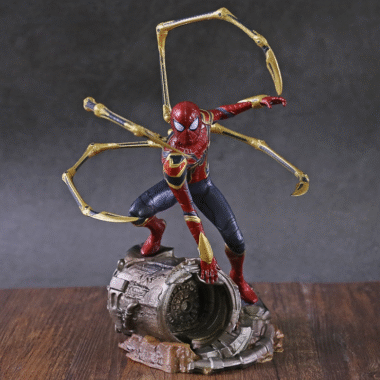
In stark contrast, the digital realm has revolutionized anime figure production. 3D modeling software like ZBrush, Blender, and Maya enable artists to sculpt characters digitally with unparalleled precision. This digital sculpt can then be brought to life through 3D printing. Technologies such as Stereolithography (SLA) and Digital Light Processing (DLP) offer high-resolution prints, ideal for capturing the fine details characteristic of anime designs. Fused Deposition Modeling (FDM) is a more accessible option, though typically with lower resolution. Once printed, these parts often require significant post-processing, including sanding, priming, and assembly, before painting. The iterative nature of digital sculpting allows for rapid prototyping and easy modification, making it a cornerstone for both mass production and complex custom designs. This digital workflow is increasingly influencing how even established lines of figures are conceptualized and manufactured, impacting everything from character accuracy to the potential for unique customizing your Spider-Man action figure.
The Investment Equation: Cost and Time in Figure Production
Hobbyist vs. Commercial Endeavors
Understanding the financial commitment is crucial when embarking on the journey of how to make anime figures. For hobbyists, the initial investment might be relatively modest, primarily encompassing sculpting tools, resin, molds, and paints, potentially running from a few hundred to a couple of thousand dollars for a single project. However, the time investment can be substantial, often spanning weeks or even months of dedicated work for a single figure. This contrasts sharply with commercial production. Manufacturing figures on a larger scale involves significant upfront costs associated with tooling (e.g., injection molds), licensing fees if creating figures based on existing intellectual property, quality control, and marketing. A single injection mold can cost tens of thousands of dollars. Therefore, the cost per unit drastically decreases with volume, but the initial outlay is immense. For instance, the BricksFun Batman Action Figure: Comprehensive Cost and Time Breakdown for Customizations in 2026 highlights how even customization at a smaller scale incurs costs beyond the base product, illustrating the tiered financial considerations.
Factors Influencing Production Timelines
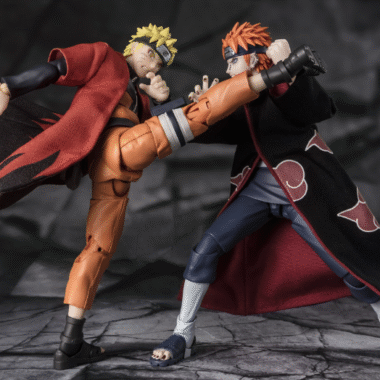
The timeline for creating an anime figure is a complex interplay of skill, method, and scale. A skilled sculptor might spend 40-80 hours on a detailed master sculpt. The molding process can add another 10-20 hours. Casting and initial cleanup of multiple figures from a mold can take anywhere from a few hours to several days, depending on the resin and complexity. Painting, arguably the most time-consuming phase for achieving a professional finish, can easily add 20-50+ hours per figure, especially with intricate shading and detailing. For 3D printing, the print time itself can range from a few hours to several days for larger, high-resolution pieces, followed by extensive post-processing. In a commercial setting, these individual steps are often parallelized and optimized by specialized teams, but the overall lead time from concept to mass production can still span 6-18 months, accounting for design, prototyping, tooling, manufacturing, and quality assurance. Market trends, like the Naruto Figures Market Trends: Demand, Scarcity, and Collector Archetypes, demonstrate how production speed and availability directly impact collector interest and market value.
The Artisan’s Toolkit: Essential Skills for Figure Crafting
From 2D Concept to 3D Form
The foundational skill in crafting anime figures is the ability to translate a 2D design into a compelling 3D representation. This requires a deep understanding of anatomy, form, and perspective, even when dealing with stylized characters. For traditional sculpting, artists need dexterity and an intuitive grasp of material properties. They must be able to visualize how a character will look from all angles and imbue it with life and personality. In the digital realm, proficiency in 3D modeling software is paramount. This involves mastering techniques for sculpting organic shapes, creating clean topology for animation or articulation, and understanding how light interacts with surfaces. Whether working with clay or polygons, the goal is to capture the essence of the character, including their iconic pose, expression, and proportions. This interpretive skill is what transforms a mere replica into a piece of art. It’s a journey that requires constant learning, much like refining one’s taste in other aesthetic pursuits, such as selecting nice shoes.
The Art of Surface Finish and Detail
Beyond the basic form, the meticulous attention to surface finish and detail elevates an anime figure from a mere object to a collectible. This encompasses a range of skills, most notably painting. Achieving a professional paint job involves precise color matching, smooth gradients, sharp line work for details like eyes and clothing patterns, and the application of various finishes (matte, satin, gloss) to replicate different textures. Techniques such as dry brushing, washes, and airbrushing are essential for adding depth, highlights, and weathering effects. Furthermore, the assembly process requires precision, especially for figures with multiple parts or articulation points. Seamless joins, secure attachments, and the ability to hide seams are critical. For more advanced figures, mastering the creation of accessories, such as weapons or effect parts, also demands specialized skills in sculpting, casting, or even 3D printing. The overall presentation, including the quality of the materials and the final polish, is what defines the perceived value and appeal of an anime figure, contributing to its status as a desirable collectible, much like the enduring appeal of figures in the Godzilla Action Figures series.
Mythbusting the Manufacturing Process: Unveiling Realities
The Myth of Instant Creation
One pervasive myth is that anime figures can be created quickly and easily, especially with the advent of 3D printing. While digital tools accelerate certain aspects of design and prototyping, the reality of producing a high-quality figure is far more complex and time-consuming. The process involves intricate sculpting, precise molding, careful casting, extensive sanding and filling, and meticulous painting. Even with advanced technology, each stage demands significant skill, patience, and attention to detail. A common misconception is that simply having a 3D printer means one can churn out professional-grade figures on demand. In truth, the post-processing and finishing stages often take longer than the printing itself. Furthermore, achieving the vibrant colors, sharp lines, and smooth surfaces seen in commercially produced figures requires specialized paints, airbrushing equipment, and considerable artistic talent. The journey from a digital model or a clay sculpt to a finished, polished collectible is a testament to dedication, not instant gratification.
Demystifying ‘Fan-Made’ vs. ‘Official’
Another area prone to misunderstanding revolves around the distinction between fan-made creations and officially licensed products. Many aspiring creators start by making figures inspired by their favorite anime characters, often for personal enjoyment or to share within fan communities. These ‘fan-made’ figures, while sometimes incredibly impressive, operate in a different legal and commercial space. They typically do not involve official licensing agreements with the original IP holders. Producing and selling such figures without permission can lead to significant legal repercussions due to copyright and trademark infringement. Official anime figures undergo a rigorous process involving direct collaboration or licensing from the anime studios or rights holders. This ensures that the designs are approved, and the production adheres to certain quality standards. The market for these figures is vast, encompassing everything from mainstream releases like Spider-Man action figures to niche collectibles, each with its own established production pipeline and legal framework.
Navigating the Legal Landscape: IP and Ethical Considerations
The Importance of Licensing
When discussing how to make anime figures, especially those based on existing intellectual property (IP), the matter of licensing is paramount. Creating figures of popular anime characters without obtaining the necessary rights from the original creators or rights holders is a direct infringement of copyright and trademark law. This is a critical distinction between hobbyist projects intended for personal use or display within a private collection and any attempt to commercialize these creations. For companies and independent creators looking to produce official merchandise, securing a license is a complex but essential step. This involves negotiating terms, paying royalties, and adhering to strict design and quality guidelines set by the IP owner. Failure to do so can result in legal action, including cease-and-desist orders, hefty fines, and the destruction of inventory. The commercial success of many figure lines, such as those inspired by franchises like anime figures, is built upon a foundation of legally sound licensing agreements. Understanding this legal framework is as crucial as mastering the artistic and technical skills involved.
Ethical Production and Fan Communities
Beyond the legalities of licensing, ethical considerations play a significant role in the creation and perception of anime figures. This includes ensuring fair labor practices throughout the manufacturing process, particularly when outsourcing production to factories overseas. Transparency about the origin of materials and the manufacturing conditions contributes to a more responsible approach. Furthermore, the relationship between figure creators and fan communities is multifaceted. While fan art and unofficial creations are often born out of passion and can foster community engagement, it’s important for creators to understand the boundaries of IP and to engage respectfully with official merchandise. Some companies actively engage with their fan base, seeking feedback or even commissioning fan artists for special projects, thereby fostering a positive and collaborative environment. This can lead to innovative fan-inspired designs that, with proper licensing, can even transition into official releases, bridging the gap between passionate fans and the commercial market, much like the evolving market for Batman action figures.
Innovations Shaping the Future of Figure Creation
Advancements in 3D Printing and Materials
The landscape of how to make anime figures is constantly being reshaped by technological advancements. In 3D printing, new resins are emerging with enhanced durability, flexibility, and faster curing times, allowing for more complex and robust parts to be printed. Multi-material printing is also becoming more accessible, enabling figures to be printed with different textures and colors in a single pass, significantly reducing post-processing needs. Beyond printing, material science is yielding innovative plastics and composites that offer improved paint adhesion, greater detail retention, and a more premium feel. These developments not only streamline the production process but also open up new possibilities for articulation, poseability, and the overall aesthetic quality of the final product. The drive for more sustainable and eco-friendly materials is also a growing trend, pushing manufacturers to explore bio-plastics and recycled composites, aligning with broader industry shifts towards environmental responsibility.
The Role of AI and Digital Tools
Artificial intelligence (AI) and advanced digital tools are poised to play an increasingly significant role in the future of anime figure creation. AI algorithms can assist in optimizing 3D model designs for printability, automatically generating supports, or even suggesting aesthetic improvements based on vast datasets of existing popular figures. Generative AI could potentially aid in concept art creation or even in generating intricate surface details and textures that would traditionally require extensive manual work. Furthermore, virtual reality (VR) and augmented reality (AR) are enhancing the sculpting and design process, allowing artists to work in more intuitive, immersive environments. These tools are not intended to replace human creativity but rather to augment it, accelerating workflows, reducing tedious tasks, and enabling artists to focus more on the artistic vision. As these technologies mature, they promise to democratize aspects of figure creation and push the boundaries of what is artistically and technically achievable, influencing everything from initial character concept to final product refinement.